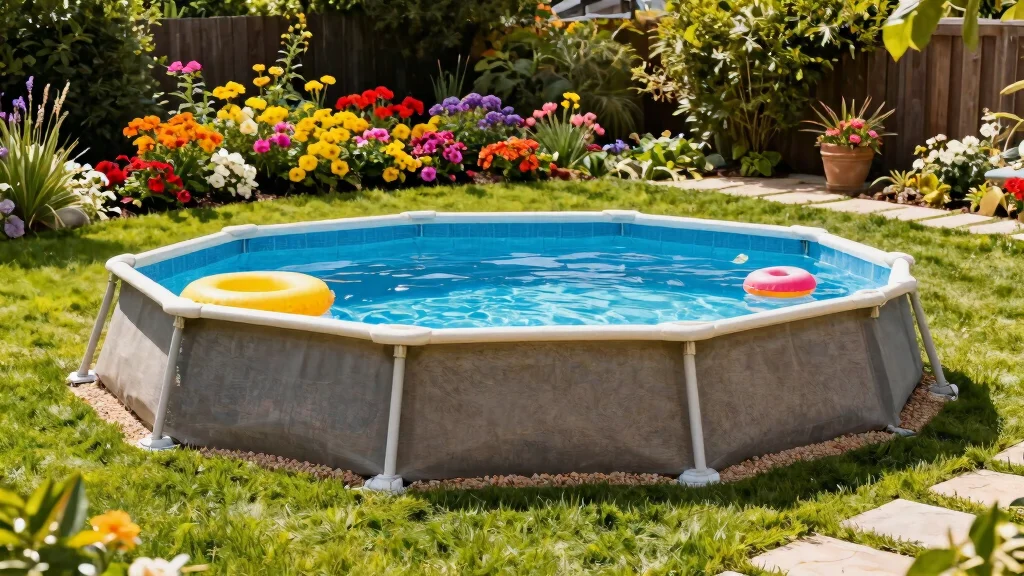
Creating an above-ground pool is a fantastic way to enjoy your backyard and cool off during hot summers. However, the foundation you choose for your pool can make a significant difference in its longevity and stability. I put this post together because I want you to have the best summer ever without worrying about your pool collapsing or being uneven. It’s essential to get everything right from the start, so you can truly relax and enjoy your investment.
If you’re someone who loves DIY projects or simply wants to create a fun, inviting space in your backyard, this guide is for you. Whether you’re a seasoned landscaper or a novice gardener, understanding the best base for an above-ground pool will save you time, effort, and money in the long run. From picking the right location to ensuring proper drainage, I gathered seven pro tips that are practical, simple, and perfect for your pool setup.
You’ll find actionable insights on leveling ground, selecting the right base materials, and enhancing the aesthetic appeal of your pool area. Plus, I’ll cover essential maintenance tips and safety precautions to keep your family safe. Let’s dive into these valuable tips so your above-ground pool can be the highlight of your summer!
Key Takeaways
– Location Matters: Choose a flat, well-drained area to prevent water accumulation and ensure stability for your pool.
– Leveling Ground is Key: Proper leveling of the ground will help prevent the pool from leaning or collapsing. Use a long level and a shovel to achieve a flat surface.
– Select the Right Base Materials: Opt for materials like sand, foam, or crushed stone that provide good support and drainage for your above-ground pool.
– Effective Drainage Solutions: Ensure your pool area has adequate drainage to avoid pooling water around the base which can weaken the structure.
– Regular Maintenance is Essential: Keep an eye on the condition of your pool base and perform routine checks to catch any potential issues early.
1. Choose the Right Location
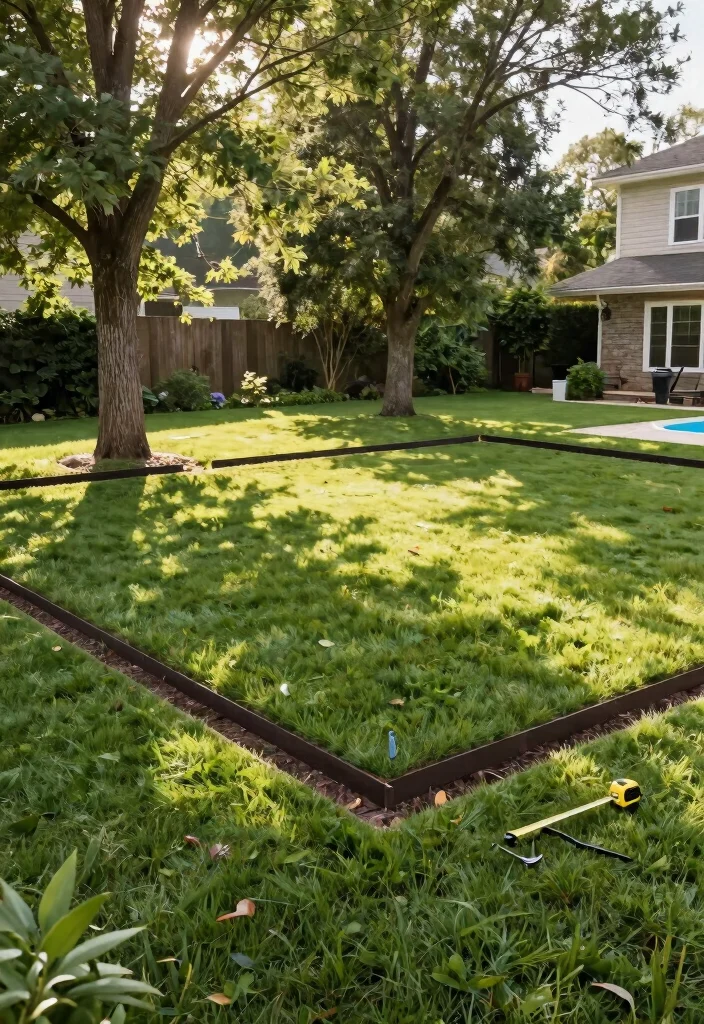
Finding the perfect spot for your above ground pool is key to ensuring a fun and functional space. You’ll want a flat area free from pesky branches and debris that could ruin your pool experience. While shade from trees sounds nice, think about the extra maintenance that fallen leaves and sap can create.
Start by avoiding grassy areas, as roots can interfere with your pool’s base over time. Always check for underground utilities before digging, and consider the sun’s path to guarantee warmth. Lastly, maintain a safe distance from fences or walls to keep everyone secure.
Key considerations for location:
– Identify a flat area free of debris
– Ensure safety from nearby trees
– Check for underground utilities
– Consider sun exposure for warm water
Choosing the right location sets the stage for a delightful pool experience, bringing joy and relaxation to your backyard.
2. Leveling Ground for Pools
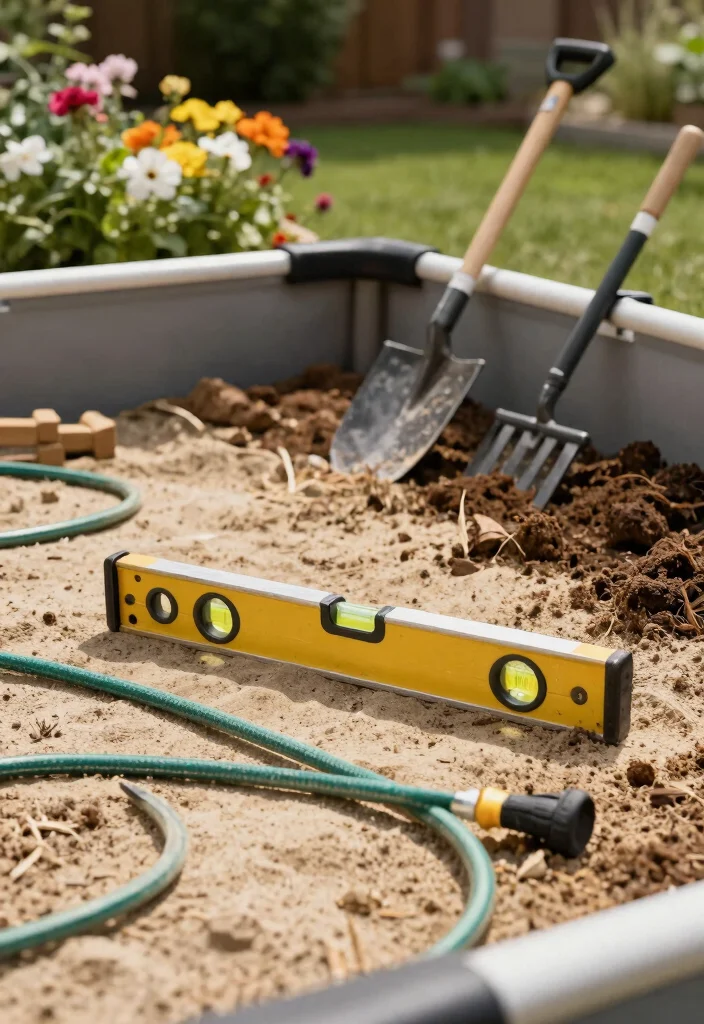
Achieving a perfectly level ground is essential for your above ground pool’s success. This ensures your pool’s structure remains stable while preventing potential leaks and other issues. An uneven surface can lead to a less enjoyable swim and significant maintenance headaches.
Use a leveling tool or a simple water level method to check your ground. Clear away grass and debris from the area, and if necessary, excavate or fill with sand to achieve the right level. Don’t forget to compact the ground thoroughly for a solid base.
Steps for leveling the ground:
– Use a leveling tool for accuracy
– Clear away grass and debris
– Fill low areas with sand or soil
– Compact the ground for stability
This careful approach guarantees a safe and enjoyable pool for you and your loved ones, making every swim a pleasure.
Did you know that just 1 inch of uneven ground can stress the pool frame and cause leaks, undermining the best base for above ground pool? Level with a simple water level method, clear debris, and compact sand for a stable, enjoyable swim.
3. Selecting Pool Base Materials
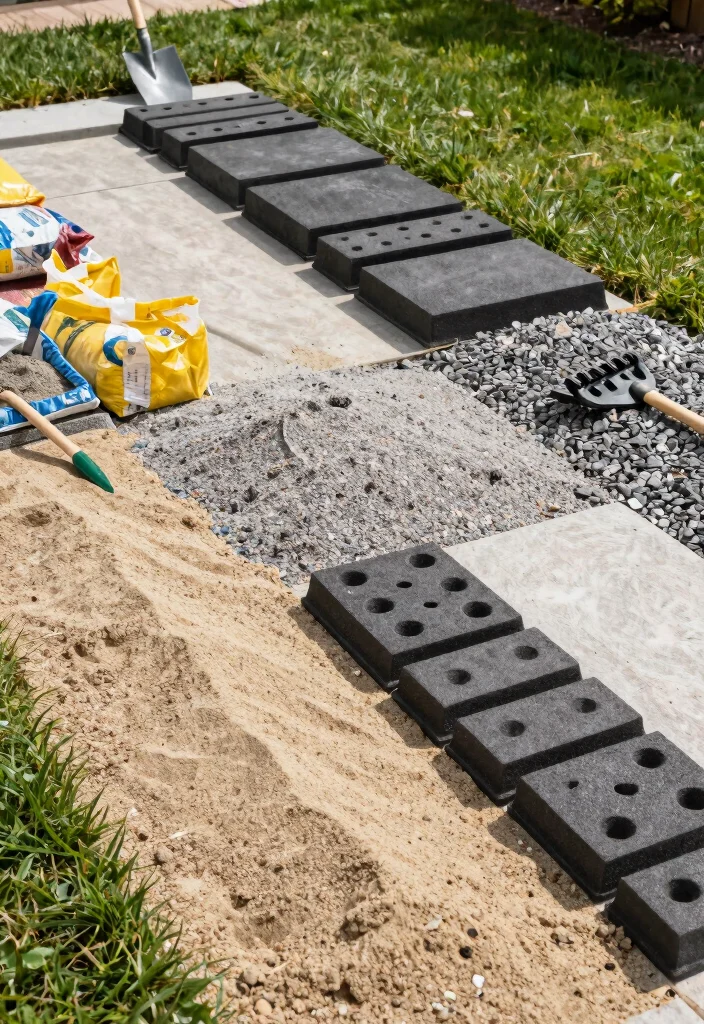
Choosing the right materials for your above ground pool base is crucial for durability and ease of use. Options like sand, gravel, and foam pads each offer different benefits, so it’s worth exploring each one.
Sand is a popular choice due to its smooth finish and excellent drainage, but it must be compacted well. Gravel, while a bit more challenging to work with, provides great drainage and minimizes weed growth. Foam pads, though pricier, can protect your pool liner and add comfort.
Base material options:
– Choose sand for smoothness and drainage
– Opt for gravel for weed prevention
– Use foam pads for extra comfort and protection
Selecting the right material will enhance your pool’s lifespan and make your swimming experience much more enjoyable.
Fun fact: The best base for above ground pool setups can cut maintenance by up to 40%. Sand offers smooth drainage, gravel helps weed control, and foam pads protect the liner.
4. Drainage Solutions for Pools
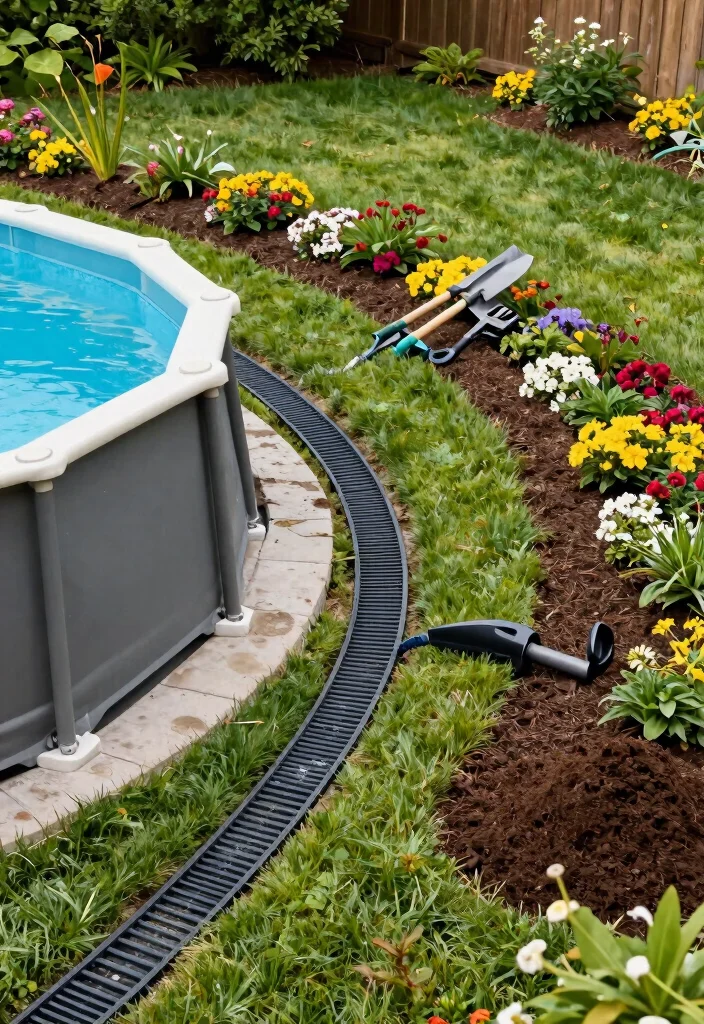
Effective water management is vital to maintaining your above ground pool’s stability and longevity. Proper drainage prevents water accumulation under the base, which can cause instability and other complications.
Consider installing a drainage system, like a French drain, to direct rainwater away. Ensure the ground slopes away from the pool to allow for natural runoff. Regularly check drainage paths to clear any blockages caused by debris.
Drainage strategies to consider:
– Install a drainage system to divert water
– Slope ground away from the pool
– Maintain drainage paths by clearing debris
– Use landscaping to channel water efficiently
Implementing these drainage solutions will enhance safety and reduce maintenance efforts for your pool area.
How To Choose The Right Base for Your Above Ground Pool
Choosing the right base for your above ground pool is crucial for ensuring stability and longevity. A solid base prevents shifting and sinking, which can lead to leaks or structural damage. Here are some tips to help you make the best choice.
1. Consider the Location
The first step is selecting the right location for your pool. Look for a flat area that gets ample sunlight and is away from trees. Roots and falling branches can damage your pool. Ideally, the site should be at least 5 feet away from any structures. This distance reduces the likelihood of debris falling into your pool.
2. Leveling Ground for Pools
Next, you need to ensure the ground is level. Uneven ground can cause serious issues with your pool’s structure. Use a long level or a laser level to check for flatness. If there are high spots, you can shave them down. For low spots, you can add soil to create a more even surface. Aim for a level surface that’s within 1 inch of flatness across the entire area.
3. Selecting Pool Base Materials
Choosing the right materials for your pool base is vital. Common options include sand, crushed stone, and pavers. Sand is the most popular due to its affordability and ease of use. A depth of about 2-3 inches is usually sufficient. Crushed stone offers excellent drainage and provides a solid foundation, but it can be more expensive. Pavers are aesthetically pleasing and durable but require more labor to install.
4. Drainage Solutions for Pools
You must also think about drainage. Water pooling around your pool can lead to instability. Ensure that there’s a slight slope away from the pool area to facilitate proper drainage. You might consider installing a French drain or a simple swale to direct water runoff. This step is especially important in regions with heavy rainfall.
5. Enhancing Aesthetic Appeal
Don’t forget about the visual aspects of your pool area. While the base is about function, you can also enhance the beauty of your space. Consider landscaping around the pool with flowers, rocks, or decorative pavers. This can create an inviting atmosphere and provide a finished look that complements your yard.
6. Regular Maintenance
Once your pool is set up, regular maintenance is key. Inspect the base periodically to ensure it remains level and intact. Look for signs of settling or shifting, especially after heavy rains. If you notice any issues, address them immediately to prevent bigger problems down the line.
7. Safety Precautions
Finally, prioritize safety. Make sure the area around your pool is clear of sharp objects or hazards. Install safety features, such as pool covers or fences, to keep children and pets safe. It’s also wise to keep pool maintenance supplies organized and stored away from the pool area to avoid accidents.
Pro Tip: Always check local regulations regarding pool installation and safety requirements. This ensures compliance and helps you avoid potential fines or complications down the road. It’s best to make sure your pool is set up correctly from the start for years of enjoyment!
5. Enhancing Aesthetic Appeal
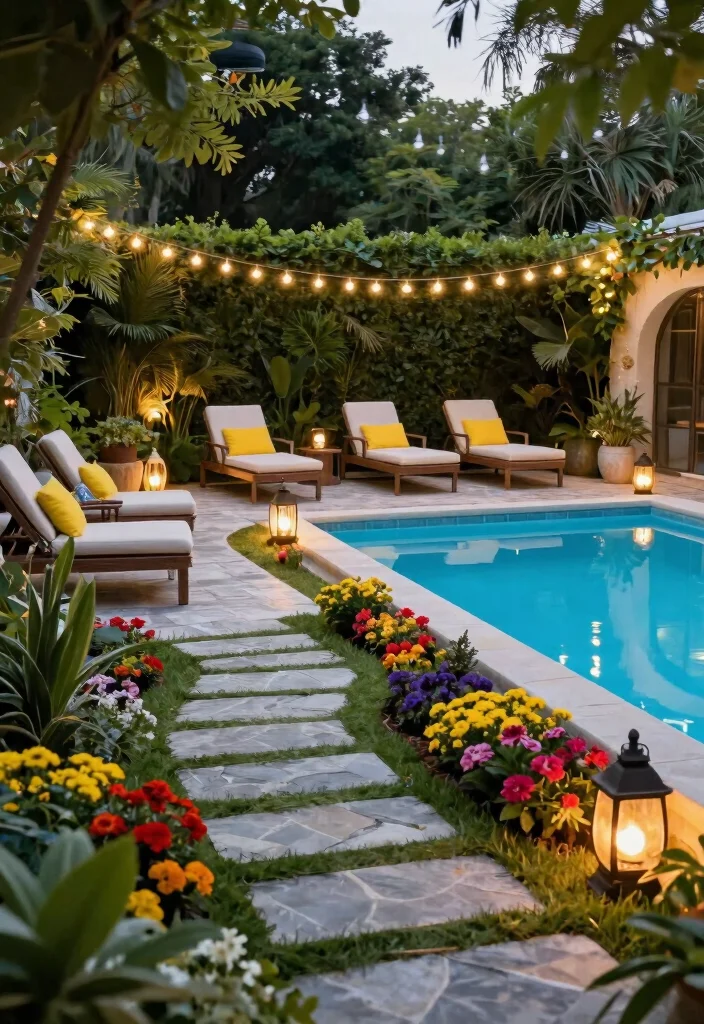
Don’t forget about the visual aspect of your above ground pool; enhancing its aesthetic appeal can transform your backyard into a stunning retreat. Thoughtful landscaping can turn your pool area into a beautiful oasis that invites relaxation.
Consider adding evergreen and flowering plants to soften the pool’s edges and create a seamless transition to your yard. Design attractive pathways using stone, pavers, or mulch that lead to your pool. Illuminate the area with string lights or lanterns for a magical evening ambiance.
Tips for enhancing appearance:
– Add plants for a natural look
– Create pathways to guide guests
– Incorporate lighting for nighttime magic
– Invest in comfortable furniture for relaxation
With these design elements, your above ground pool will become the highlight of your outdoor space, blending functionality with aesthetic beauty.
6. Regular Maintenance
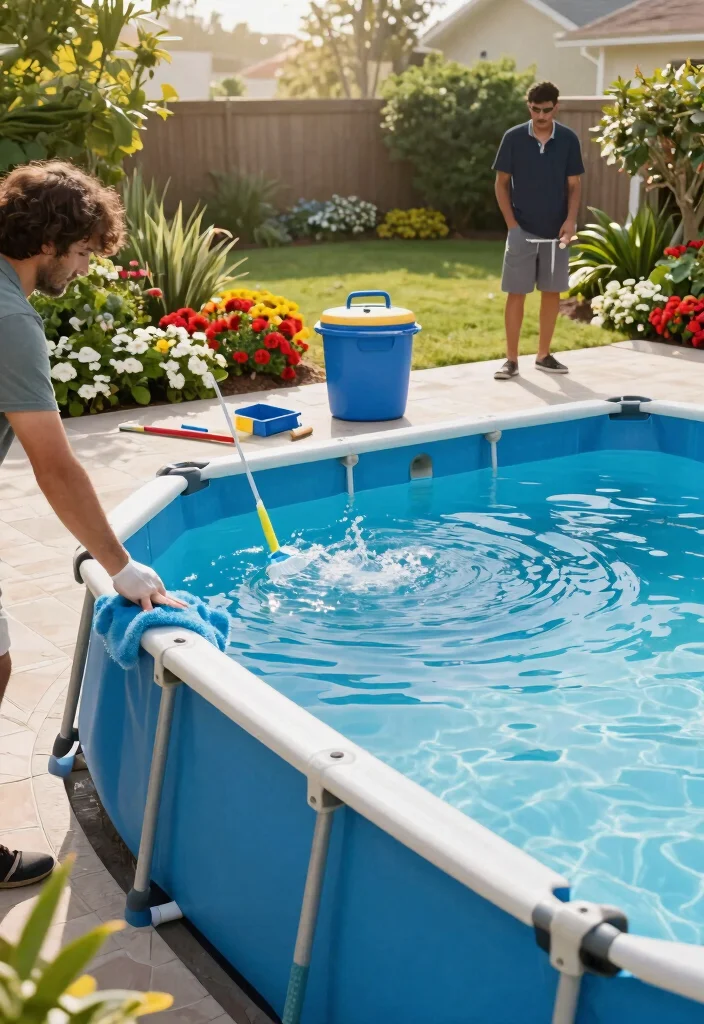
Once your above ground pool is set up, committing to regular maintenance is essential for its longevity and performance. Keeping your pool in great shape requires a few simple yet effective steps.
Regularly check your water levels and adjust as necessary to maintain pool health. Keep the surrounding area clean to prevent dirt from entering the water. Inspect the base for any shifts, especially after heavy weather, and ensure your filtration system works properly.
Maintenance tasks to remember:
– Monitor water levels regularly
– Keep the area around the pool clean
– Inspect the base for erosion
– Maintain filtration and cleaning equipment
Investing time in maintenance now means countless enjoyable summers ahead without the stress of major repairs.
7. Safety Precautions
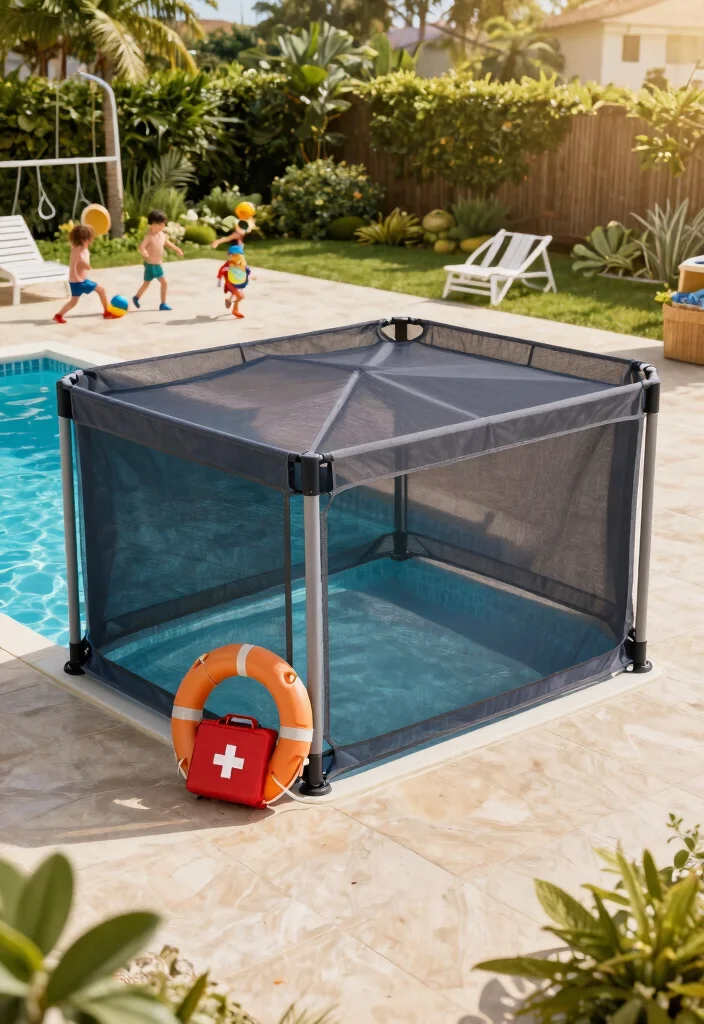
Safety should be a top priority when preparing for your above ground pool. Ensuring a secure swimming area is essential for both children and adults to enjoy without worries.
Install a safety fence around your pool to prevent accidental entries, especially by young kids. Use a cover when the pool is not in use to keep debris out and enhance safety. Keep life rings and a first aid kit nearby for emergencies, and make sure everyone understands pool rules.
Essential safety measures:
– Install a safety fence to restrict access
– Use a pool cover when not in use
– Keep safety equipment accessible
– Educate everyone on pool safety rules
By implementing these safety precautions, you create a secure environment for your family and friends to enjoy your beautiful backyard pool.
Fun fact: installing a safety fence and using a pool cover can reduce accidental entries by up to 80%. That’s why your first step toward the best base for above ground pool is a secure, kid-proof zone with clear rules. Keep life rings nearby and practice an emergency plan.
Conclusion
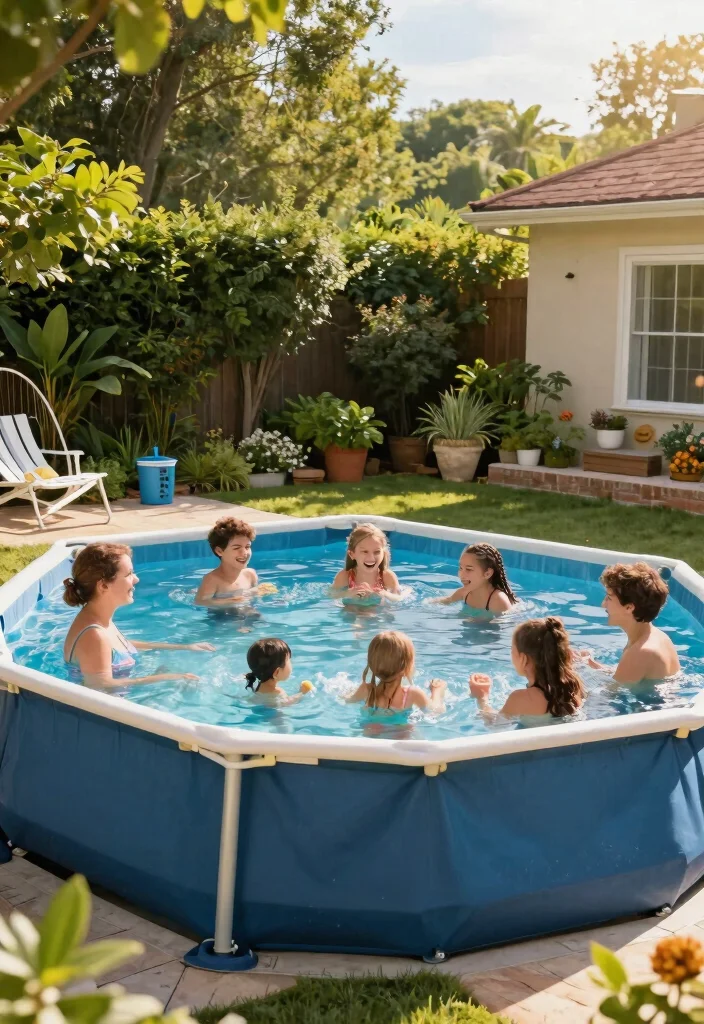
By following these tips on the best base for your above ground pool, you ensure a safe, enjoyable, and beautiful oasis right in your backyard. Proper preparation, thoughtful landscaping, and safety measures lead to years of summer fun.
Don’t hesitate to share your experiences or ask questions as you embark on your pool journey. Happy swimming!
Note: We aim to provide accurate product links, but some may occasionally expire or become unavailable. If this happens, please search directly on Amazon for the product or a suitable alternative.
This post contains Amazon affiliate links, meaning we may earn a small commission if you purchase through our links, at no extra cost to you.
Frequently Asked Questions
What is the best base for an above ground pool and why does it matter for setup?
Choosing the best base for above ground pool matters because it evenly distributes weight, prevents punctures, and keeps your pool level over time. The common bases are crushed stone, sand, foam mats, or solid pavers under a ground cloth. For many DIY setups, a compacted crushed stone base with a sand leveling layer and a ground cloth provides durability and drainage. If you want a more permanent look, you can pour a concrete slab or install solid pavers with sand between.
Start with a flat, weed free spot, remove debris, lay a geotextile weed barrier, then add the base materials, compact thoroughly, and finally lay the ground cloth before setting the pool frame.
Which pool base materials work best for different climates and budgets?
When choosing pool base materials, consider climate, foot traffic, and budget. Options include sand with a ground cloth for a soft leveling layer, crushed stone for drainage, concrete or pavers for a solid finish, and foam mats for cushion under the liner. For hot climates with heavy sun, a light colored base can reflect heat. If you want cost effectiveness, start with a compacted sand or crushed stone base and add a top layer of fine sand or paver sand.
Use the rule of thumb: budget dictates the base material, drainage needs drive the design, and leveling accuracy ensures a smooth pool experience. Always test the base across the area and adjust before laying the liner.
How do I ensure proper drainage and avoid water damage around the pool base?
Good drainage is essential. Start by grading the ground so water runs away from the pool site with a slope of about 1 to 2 percent. Add a crushed stone layer to improve drainage, then a geotextile fabric to keep the soil from mixing with the base. If water tends to accumulate, install a simple French drain or perforated drainage pipe to carry water away. Keep landscaping away from the pool edge to avoid roots and soil shifting.
Regularly inspect for erosion and regrade as needed, especially after heavy rains, to protect the base and keep your above ground pool safe.
What are the best practices for leveling the ground for an above ground pool?
Leveling ground for pools is a must. Start by measuring the entire footprint with a string line and a level. Mark high and low spots, then remove soil from high areas or add fill to low spots. Use a straightedge or laser level for accuracy. Once you think you are close, lay a foundation base of the chosen material and recheck. Do not proceed with installation until the site is within a quarter inch per 10 feet if possible. Finally, compact the base material and lay the ground cloth and liner accordingly.
Proper leveling reduces stress on the wall tubes and helps prevent leaks. Always verify with a level across multiple directions.
What landscaping ideas can complement the pool base and improve drainage and aesthetics?
Landscaping for the pool area can enhance aesthetics while supporting drainage. Use low maintenance ground covers or ornamental grasses near the outside edge to reduce erosion, install a stone or timber edging to keep mulch away from the base, and plant shrubs at a safe distance from the pool to prevent root problems. Choose drought-tolerant plants for hot climates and mulch to reduce water usage. Create a simple path with stepping stones or pavers that match the pool base finish for easy access.
Keep irrigation directed away from the pool, and consider a small drainage swale to guide runoff away from the base. With thoughtful landscaping, you gain beauty and functional drainage.



![15 Best Spring Window Box Planting Ideas [Early Blooms]](https://snugfelt.com/wp-content/uploads/2026/04/15-Best-Spring-Window-Box-Planting-Ideas-Early-Blooms-150x150.webp)