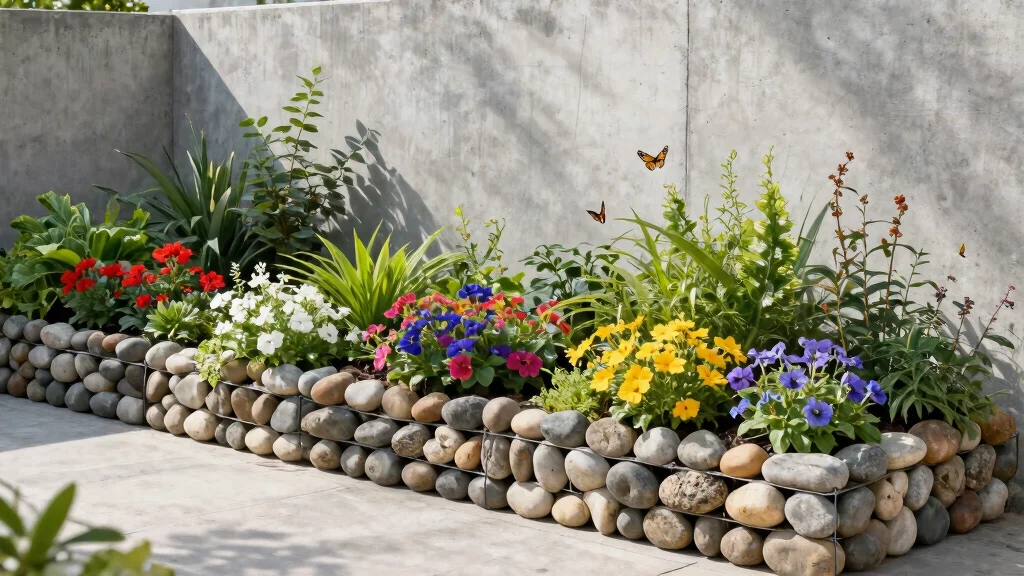
Gardening has always been a way to connect with nature and express creativity. Recently, I’ve been craving unique ways to enhance outdoor spaces, especially with sustainable solutions. That’s why I put together this guide on 7 Industrial Outdoor Gabion Planter Ideas with Rocks. Gabion planters can add a rustic charm while also being functional, making them perfect for anyone looking to spruce up their outdoor areas while caring for the environment.
If you’re someone who loves gardening, landscaping, or simply making your outdoor area more inviting, this post is for you. You’ll find inspiration that resonates with your desire to beautify your surroundings. Whether you’re a seasoned gardener or just starting out, these ideas are suitable for all skill levels. You’ll discover practical tips on creating gabion planters that are not only eye-catching but also eco-friendly.
In this post, you’ll uncover different styles and applications of gabion planters that can transform your space. From rustic stones and blooms to modern minimalist designs, each idea brings something special to the table. With actionable insights and creative inspiration, this guide is your go-to resource for enhancing your garden with beautiful and sustainable outdoor gabion planter ideas.
Key Takeaways
– Gabion planters blend rustic charm with modern design, making them versatile for any garden style.
– Each of the seven ideas can be customized to fit your outdoor space, from small balconies to large backyards.
– Incorporating rocks and plants in gabion designs promotes sustainable gardening practices, offering a natural habitat for beneficial insects.
– Practical tips for building and maintaining gabion planters ensure your project is both doable and enjoyable.
– Get inspired by community collaboration ideas that encourage local gardening initiatives and beautification efforts.
1. Rustic Stones and Blooms
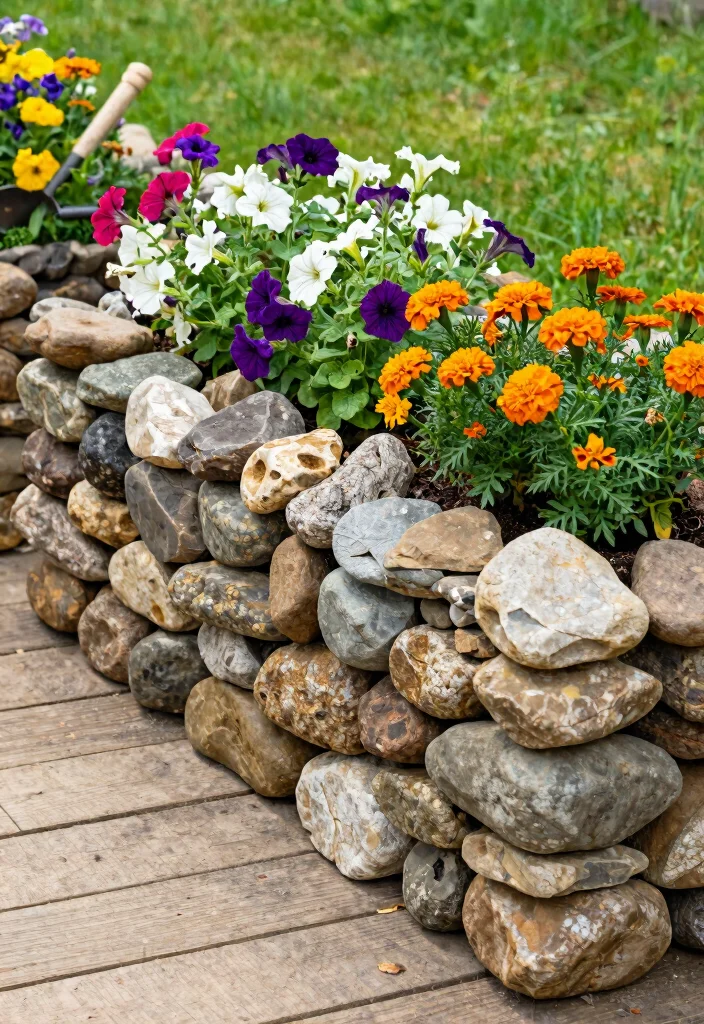
Imagine your garden adorned with gabion planters filled with a beautiful mix of large and small stones alongside vibrant seasonal flowers. This combination not only adds a rugged charm but also invites nature into your outdoor space. Choose natural stones that bring texture and depth, while flowers like petunias, marigolds, or geraniums provide lively color and fragrance as they spill over the edges. It’s a delightful way to make your garden inviting and lively all year round.
To get started, select flowers that are well-suited to your local climate and consider incorporating perennials for lasting beauty. Mixing different stone textures will create visual interest and enhance drainage, which is essential for healthy plants.
Key tips for success:
– Choose flowers that thrive in your climate.
– Consider perennials for longer-lasting beauty.
– Mix textures by incorporating different types of stones.
This combination not only enhances the visual appeal of your garden but also fosters a healthy environment for your plants. Place these stunning planters near walkways or patios to create an inviting atmosphere for your guests.
Fun fact: Outdoor gabion planter ideas with a mix of large and small stones boost drainage and texture by up to 35%. Pair them with petunias or marigolds, and you’ll have a rugged, colorful bloom that changes with every season.
2. Modern Minimalist Design
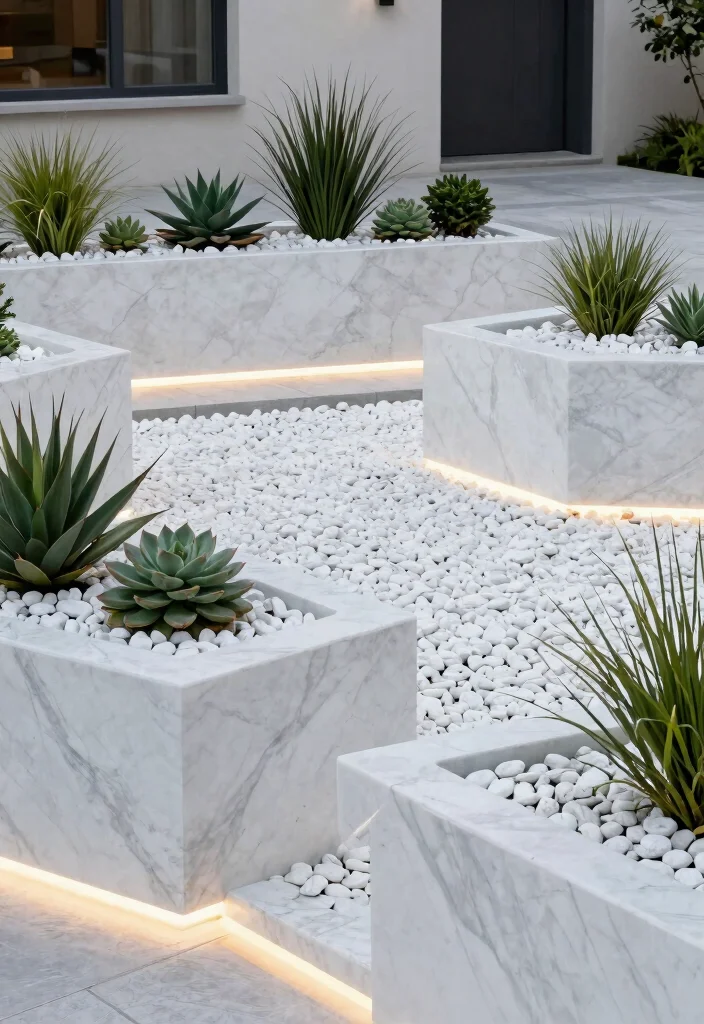
For a sleek, contemporary look, consider a minimalist gabion planter featuring uniform stones and subtle greenery. Opt for stones like white marble or black basalt, which beautifully complement modern architecture. Pair these with low-maintenance plants such as chic succulents or ornamental grasses to keep your design practical yet stylish.
Start by selecting geometric shapes for your planters to enhance the minimalist vibe, and think about incorporating LED lighting to create a stunning display at night. Choosing drought-resistant plants can also help conserve water while maintaining beauty.
Highlights to note:
– Use geometric shapes for planters to enhance the minimalist look.
– Incorporate LED lighting for a stunning night-time display.
– Choose drought-resistant plants to save on water.
This setup keeps your outdoor space tidy while adding a refreshing touch of greenery. Placing these planters in front of modern homes or along patios will certainly make a striking statement.
Fun fact: 73% of urban gardeners try outdoor gabion planter ideas with minimalist stone palettes and low-maintenance plants, and notice maintenance drop by half. Stick to geometric shapes and subtle LED lighting for a sleek, contemporary statement.
3. Colorful Rock Garden
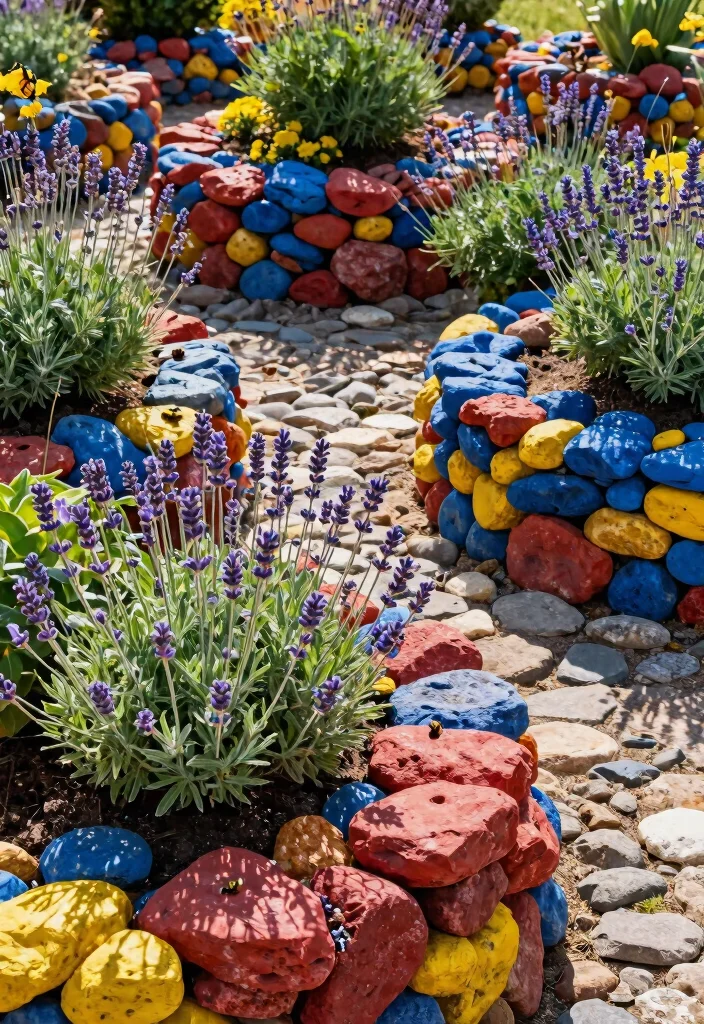
Create an eye-catching rock garden by filling gabion planters with a variety of colorful stones and pairing them with hardy plants. Mixing stone colors like reds, blues, and yellows results in a vibrant landscape that’s sure to attract attention. Add resilient plants like lavender, sedum, or various herbs that thrive in such conditions for a stunning display.
To ensure long-lasting beauty, choose rocks that are naturally colorfast, and consider adding pathways made of smaller stones to connect different planting areas. Using gravel or sand at the base of your gabion will help support the stones effectively.
Key insights:
– Choose rocks that are naturally colorfast to maintain vibrancy over time.
– Incorporate pathways of smaller stones to connect planting areas.
– Use gravel or sand to create a stable base inside the gabion to support the stones.
This approach not only enhances the beauty of your garden but also provides a habitat for beneficial insects and pollinators, making your outdoor space both inviting and eco-friendly.
4. Vertical Gabion Wall Planters
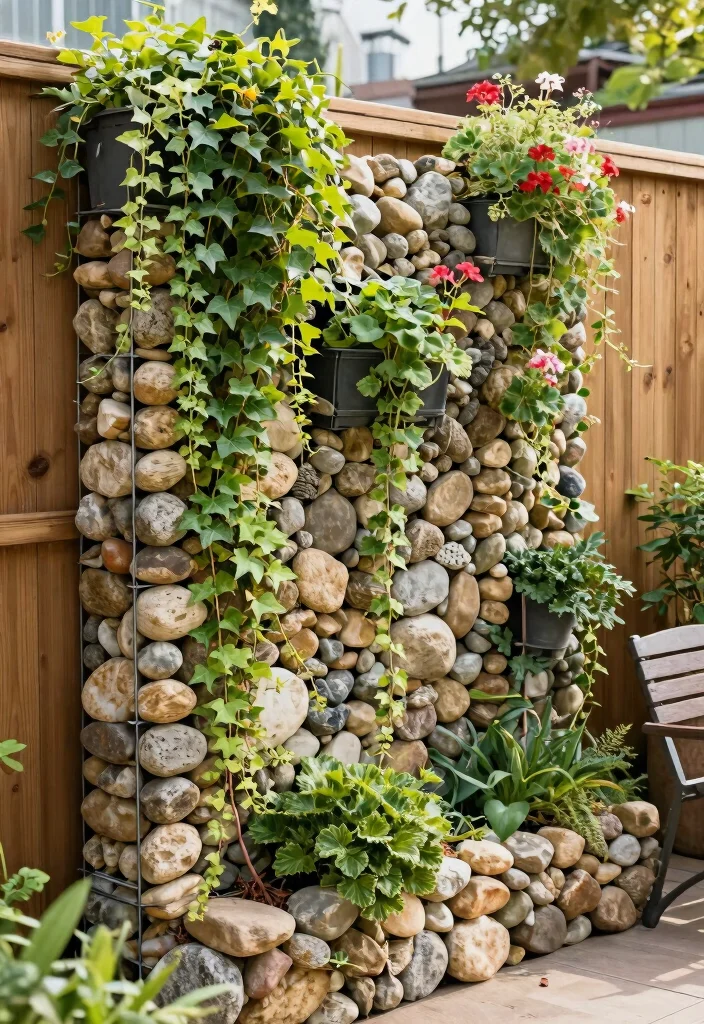
Maximize your outdoor area with vertical gabion wall planters that combine stunning plant displays with innovative design. These planters create a vertical garden that’s both functional and artistic. Fill your gabion with various sizes of stones and layer them with climbing plants or cascading flowers like ivy or trailing geraniums to draw the eye upward, making them ideal for small spaces.
Ensure that climbing plants have adequate support as they grow, and use a mix of stone sizes to create visual interest. Drip irrigation can be a practical solution for keeping plants hydrated without hassle.
Practical tips:
– Ensure adequate support for climbing plants.
– Use a mix of large and small stones to create visual interest.
– Consider drip irrigation to keep plants hydrated easily.
Vertical gabion planters not only enhance privacy but also create a lush backdrop that invites relaxation and gatherings in your outdoor space.
Fun fact: Vertical gabion wall planters can double your growing area on a small balcony—adding 2x the greens in the same footprint. With mixed stone sizes and climbing plants, these outdoor gabion planter ideas transform any tight space into a living sculpture.
5. Gabion Bench Planters
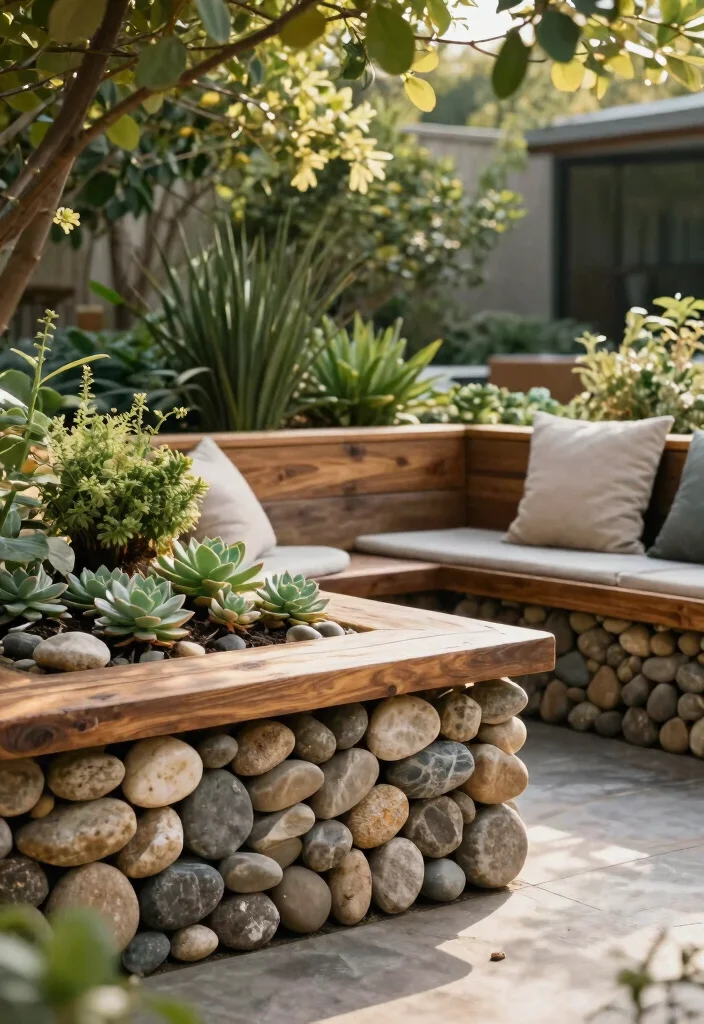
Combine beauty and practicality by integrating gabion planters into seating areas, creating benches that serve a dual purpose. These benches can be made using gabion cages filled with stones, topped with a sturdy wooden or stone seat. Populate the planters with low-maintenance plants like succulents or small shrubs that provide greenery without obstructing seating.
This design maximizes space in smaller gardens while offering a unique conversation piece for outdoor gatherings. It also enhances the overall aesthetic of patios or decks with natural elements.
Why this works:
– It maximizes space in small gardens.
– Provides a unique conversational piece for outdoor gatherings.
– Enhances the overall look of patios or decks with natural elements.
This design allows you to enjoy the beauty of plants without sacrificing seating space, making it perfect for socializing or unwinding outdoors.
6. Artistic Sculpture Planters
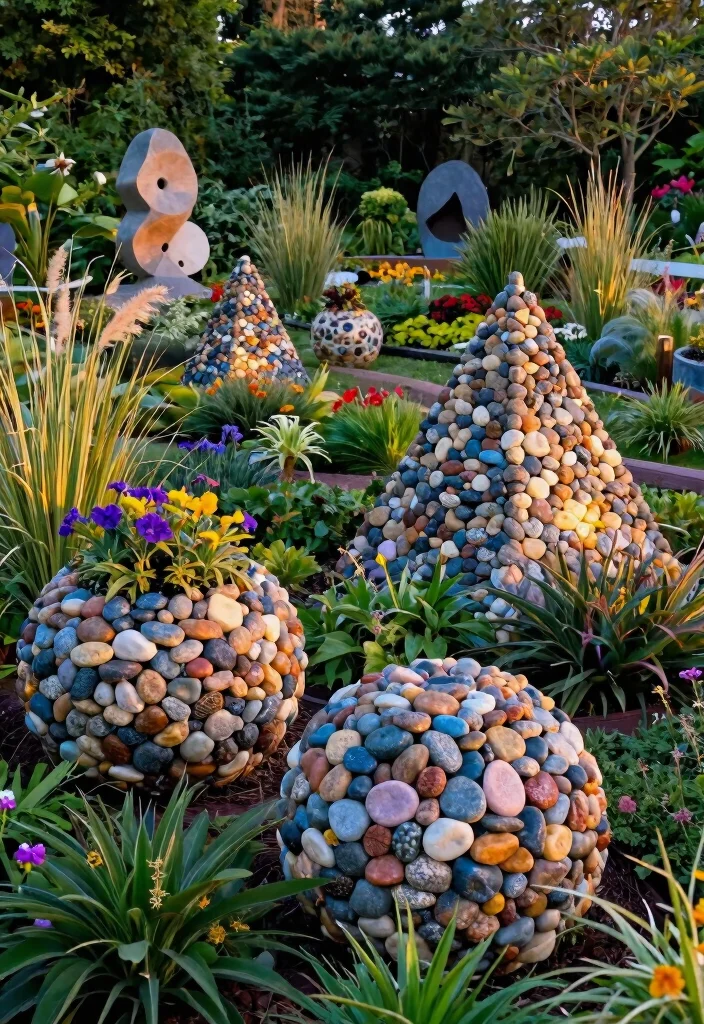
Turn your garden into a gallery with artistic gabion planters that act as both plant holders and striking sculptures. Use gabion cages in unique shapes—like spheres, pyramids, or abstract forms—to create standout pieces that attract attention. Fill these planters with colorful stones and unique plants, such as exotic flowers or decorative grasses, to enhance their artistic flair.
Get creative by experimenting with various shapes and sizes to form a cohesive art piece. Using contrasting stone colors can amplify visual impact, and incorporating lighting will showcase these sculptures beautifully at night.
Creative suggestions:
– Experiment with different shapes and sizes to create a cohesive art piece.
– Use contrasting colors of stones to amplify the visual impact.
– Incorporate lighting to highlight the sculptures during the night.
This approach not only beautifies your garden but also expresses your creativity, making your outdoor area feel unique and personal.
7. Community Garden Collaboration
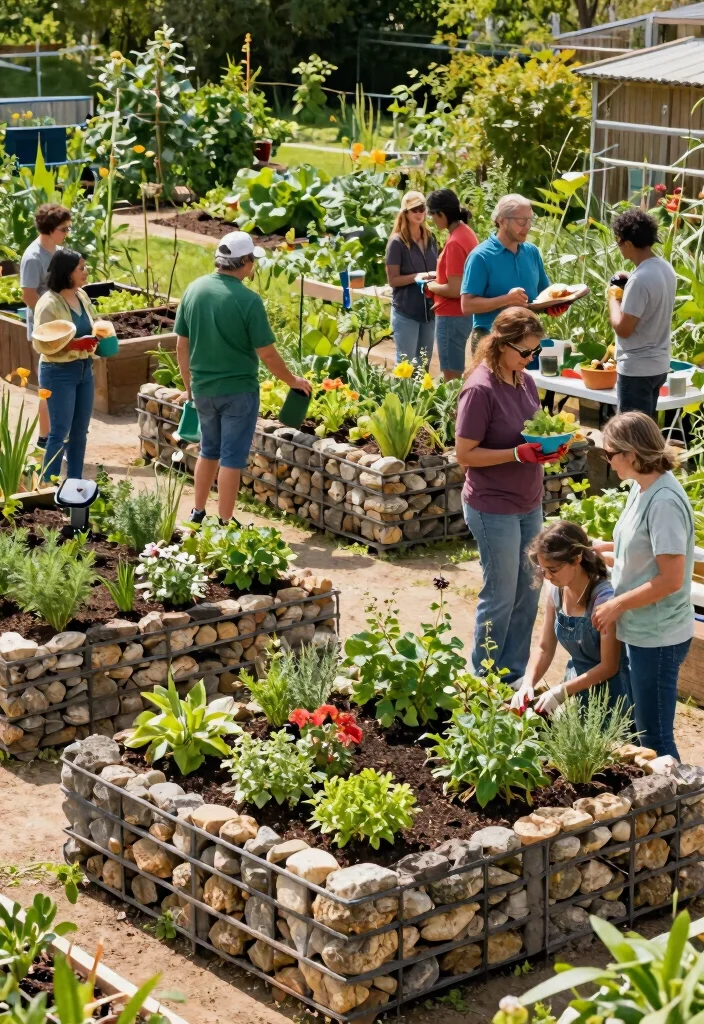
Unite your neighborhood by creating a community garden with gabion planters, fostering sustainable gardening practices. Work together with neighbors to design and plant shared gabion planters filled with a variety of herbs, vegetables, and flowers. This initiative not only strengthens community bonds but also promotes biodiversity and sustainability in urban settings.
Host planting days where everyone can contribute and consider using local rocks to create a sense of place in the garden. Sharing produce and developing communal recipes can further enhance relationships among participants.
Community tips:
– Host planting days where everyone contributes.
– Utilize local rocks for a sense of place in the garden.
– Share produce and create communal recipes to strengthen relationships.
Creating a community garden with gabion planters transforms gardening into a social experience, allowing everyone to learn from one another while enjoying the fruits of their collective labor.
How To Choose the Right Outdoor Gabion Planter
When it comes to selecting outdoor gabion planters, you want to consider a few important factors to ensure they suit your gardening needs. Gabion planters are both functional and stylish, perfect for sustainable urban gardening. Here’s how to choose the right one for your space.
1. Size
Choosing the right size for your gabion planter is crucial. Measure the space where you want to place it, and determine how much soil and plants it can hold. A larger planter can accommodate bigger plants and can make a bolder statement in your garden. Make sure to leave enough space for the planter to breathe and for the plants to grow.
2. Material
Gabion planters are often made of wire mesh and filled with different types of rocks. Look for durable materials that can withstand the elements. Galvanized steel is a popular choice due to its longevity and resistance to rust. You may also consider how the rocks you choose will complement your garden aesthetic. Natural stones like granite or river rocks can add a rustic touch, while smoother pebbles create a modern look.
3. Weight
Since gabion planters are filled with rocks, they can get quite heavy. Consider how you will move or relocate the planter, especially if you want to change the layout of your garden. If you’re placing it on a patio or deck, verify that the surface can support the weight. Lightweight alternatives exist, such as filling the gabion with lighter stones or using foam instead of heavy rock.
4. Drainage
Proper drainage is essential for plant health. Check if the design of the gabion planter allows excess water to escape. You can enhance drainage by adding a layer of gravel at the bottom before filling it with soil. This prevents waterlogging and promotes healthy root growth.
5. Style
The design of your gabion planter should fit your outdoor decor and personal style. Are you going for a rustic garden vibe or a sleek modern look? Gabion planters can be styled as simple rectangular boxes or more intricate designs, such as vertical walls or benches. Choose a style that complements your overall landscaping theme.
6. Budget
Gabion planters can vary greatly in price based on size, material, and design complexity. Set a budget before you start shopping. Remember that while cheaper options may save you money upfront, investing in higher-quality materials can save you in replacement costs down the line. Compare prices and quality to find the best value for your needs.
Pro Tip:
Consider combining your gabion planters with other decorative elements, like fairy lights or climbing plants, to enhance the visual appeal. Mixing textures and materials can create a unique and inviting outdoor space that reflects your personal taste.
Choosing the right outdoor gabion planter involves thoughtful consideration of size, material, weight, drainage, style, and budget. With these tips in mind, you’ll be well on your way to creating a stunning and sustainable garden feature that adds character to your outdoor space.
Conclusion
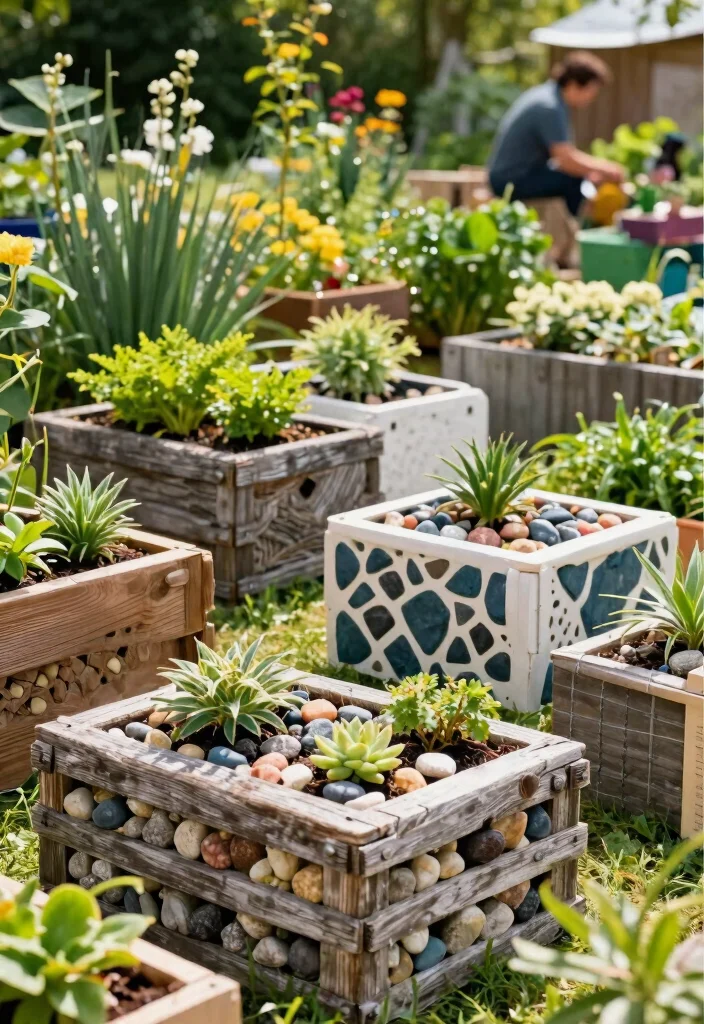
Gabion planters are more than just functional; they’re a celebration of nature and creativity.
From rustic designs to modern aesthetics, there’s a gabion planter idea suited for every style and space. Incorporating these sustainable solutions into urban gardens not only enhances beauty but also contributes positively to the environment. Let’s get planting and make our outdoor spaces more inviting and eco-friendly!
Note: We aim to provide accurate product links, but some may occasionally expire or become unavailable. If this happens, please search directly on Amazon for the product or a suitable alternative.
This post contains Amazon affiliate links, meaning we may earn a small commission if you purchase through our links, at no extra cost to you.
Frequently Asked Questions
What are outdoor gabion planter ideas and how can I get started?
Outdoor gabion planter ideas refer to using metal cages filled with rocks to create durable, decorative planters for patios, balconies, and urban spaces. To get started, choose a spot, pick a size that fits your space, and select rock colors and textures that match your landscape. Plan for proper drainage and a lightweight soil mix; then decide which plants will thrive in the depth you have. For inspiration, study how gabion planter design can be combined with outdoor landscaping ideas. If you’re aiming for a sustainable approach, look for sustainable gardening solutions like using local rocks and a drought-tolerant plant mix. As you read the article, you’ll see seven practical ideas you can adapt to your space.
Are gabion planters durable for urban environments and busy outdoor spaces?
Yes. Gabion planters are rugged, weather-resistant, and easy to maintain, making them ideal for urban life. Use galvanized or stainless cages, a robust rock fill, and a breathable liner to prevent soil loss and allow drainage. Place them on level ground, consider ballast or anchors for windy spots, and seal edges to prevent snagging. With simple checks and occasional weed control, these planters stay attractive year after year, delivering strong outdoor landscaping ideas and decorative outdoor planters that fit a modern cityscape.
Can I grow edibles or attract pollinators with gabion planters?
Absolutely. Choose deep, well-draining soil mixes and sun-loving herbs or compact vegetables for edibles. Pair them with flowering perennials or nectar-rich annuals to attract pollinators. The rocks create a natural, textural look that fits rock garden inspiration, while the edible plants reinforce sustainable gardening solutions in tight urban spaces. Use interoperating plant heights to create a layered effect in your decorative outdoor planters and balcony gardens.
What tools and steps do I need to build an outdoor gabion planter?
Start with a simple list: gabion cages, rock fill, liner, weed barrier, soil mix, plants; plus gloves, pliers, wire cutters, zip ties, a level, and a shovel. Steps: plan size and height; assemble the cage; lay in a liner and barrier; fill the bottom with larger rocks for stability; add soil; plant; top with decorative rocks; secure the cage and finish. It’s a straightforward project that yields long-lasting gabion planter design results and an impactful piece of decorative outdoor planters in your space.
How do I maintain and style gabion planters to fit my landscape?
Keep maintenance simple: water as needed, prune and rotate plants seasonally, and refresh top rock or soil layers to maintain looks. For styling, mix plant textures, use color-coordinated rock fills, and vary planter heights to create visual depth—all while staying true to outdoor landscaping ideas and rock garden inspiration. Consider sustainable touches like reusing rocks from old walls and choosing drought-tolerant species to reinforce sustainable gardening solutions.

![15 Best Spring Window Box Planting Ideas [Early Blooms]](https://snugfelt.com/wp-content/uploads/2026/04/15-Best-Spring-Window-Box-Planting-Ideas-Early-Blooms-150x150.webp)