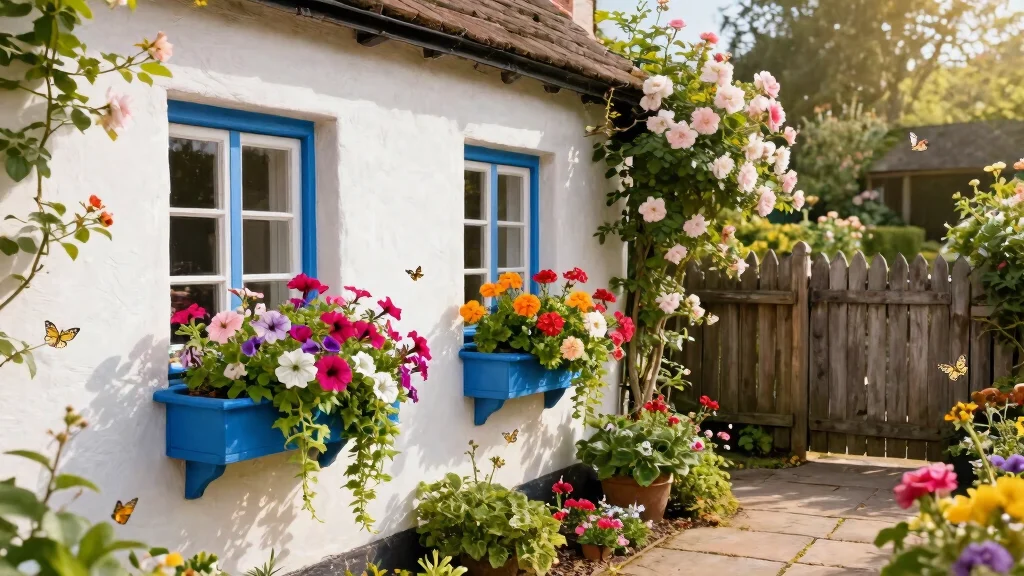
Cottage charm is all around us, and there’s something about blue window boxes that just feels like home. If you’ve been dreaming of adding a touch of this enchanting aesthetic to your cottage, you’re not alone. Blue window boxes are not only visually appealing, but they also create a cozy, welcoming atmosphere. I created this post to help you discover delightful ways to incorporate this charming element into your garden design.
If you’re someone who loves gardening, outdoor decor, or simply enjoys the quaint beauty of cottage homes, this guide is for you. Whether you’re an experienced gardener or just starting out, you’ll find inspiration here that suits your style and space. I’ve pulled together nine captivating blue window box ideas that are easy to implement, filled with delightful plant combinations, and perfect for showcasing your unique personality.
Get ready to transform your windowsills into gorgeous displays with vibrant blooms, lush greenery, and creative themes. Each idea comes with practical container gardening tips to help you create stunning arrangements that will make your cottage truly stand out. Let’s dive in and explore how to infuse your home with the charm of blue window boxes!
Key Takeaways
– Embrace the charm of blue window boxes to enhance your cottage garden design and create an inviting look.
– Explore nine unique themes, from classic blue and white ceramics to whimsical fairy gardens, each offering diverse plant options.
– Discover practical tips for selecting window box plants that thrive in your climate and match your aesthetic.
– Use outdoor decor ideas to complement your blue window boxes, turning your home into a picturesque retreat.
– Implement container gardening tips for maintaining healthy plants, ensuring your window boxes remain beautiful throughout the seasons.
1. Classic Blue and White Ceramics
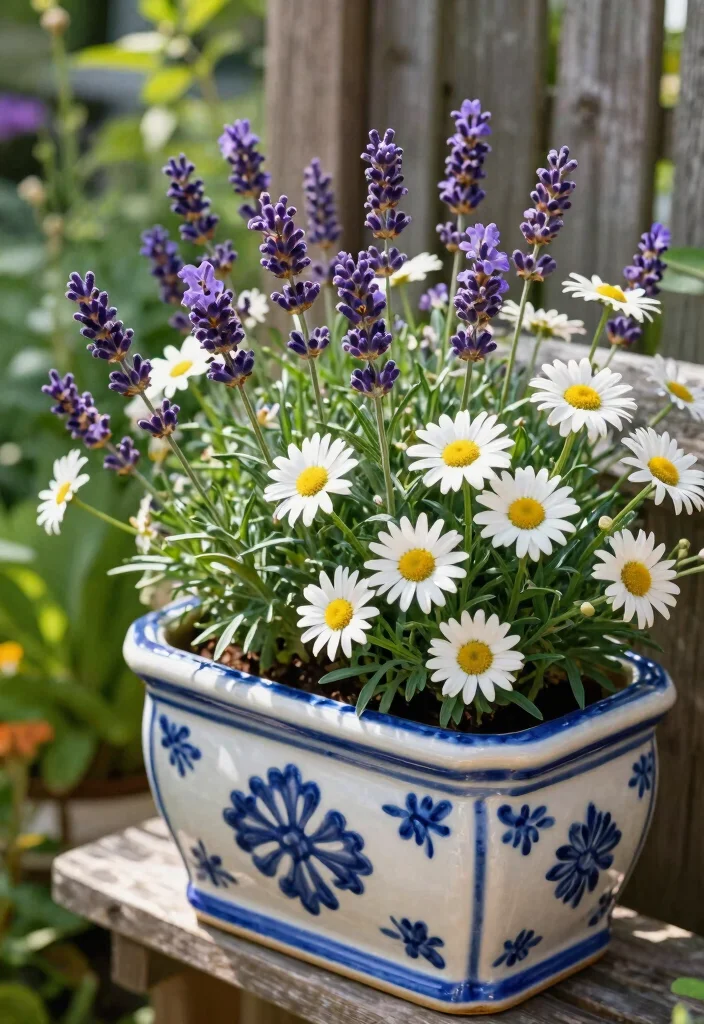
Classic blue and white ceramic pots add a touch of timeless charm to your window boxes. These stunning containers can showcase vibrant flowers like lavender, daisies, and sweet peas, creating a beautiful contrast against the cool blue tones. Mixing in fragrant herbs such as rosemary or thyme not only enhances the visual appeal but also adds delightful scents to your garden space.
To achieve the best results, consider planting flowers with staggered blooming periods for ongoing color. Incorporate trailing plants like ivy or lobelia to introduce movement and softness. Matching the style of your window box with your front door or shutters can create a harmonious look that ties your cottage together.
Key tips for this style:
– Select plants that bloom at different times for continuous interest.
– Use cascading plants to add depth and elegance.
– Coordinate colors with other elements of your home for a cohesive appearance.
This classic combination effortlessly enhances any cottage garden, providing a delightful contrast to lush greenery.
2. Soft Pastel Mix
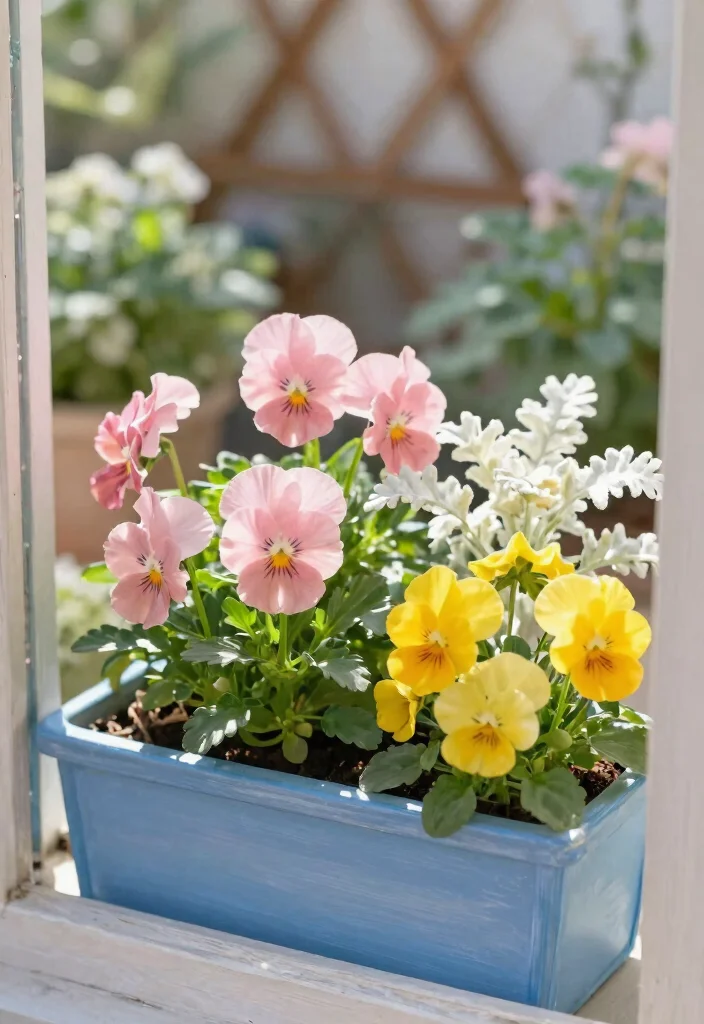
For a dreamy vibe, consider a pastel palette in your blue window box. Soft pinks, gentle yellows, and light lilacs beautifully complement the blue, creating a serene atmosphere. Choose plants like pansies, violas, and snapdragons that provide subtle yet captivating contrasts.
Adding silver foliage, such as dusty miller, can enhance the arrangement while keeping it soft and inviting. Ensure your plants have similar water and light needs to thrive together.
Here are some ideas to get started:
– Group plants that require the same care for easy maintenance.
– Use a quality soil mix for optimal drainage and root health.
– Change plants seasonally for a refreshing look all year.
This style is perfect for anyone who cherishes a gentle, whimsical touch in their cottage garden.
Top Varieties for Different Conditions
1. Petunias (Petunia spp.)
– Best conditions: Full sun and well-drained soil; ideal for temperate climates.
– Key features: Petunias come in various colors, including shades of blue. They bloom profusely and make for a cheerful addition to any window box, adding charm and elegance.
– Considerations: They require regular watering and can get leggy if not pruned.
2. Lobelia (Lobelia erinus)
– Best conditions: Thrives in cooler weather; perfect for coastal climates or partial shade.
– Key features: Lobelia has delicate, cascading flowers that drape beautifully over the edges of your window box, creating a charming waterfall effect in blue hues.
– Considerations: They may not survive extreme heat, so monitor temperature changes.
3. Blue Fescue (Festuca glauca)
– Best conditions: Well-drained sandy or loamy soil; works well in dry or hot/dry regions.
– Key features: This ornamental grass adds texture and a soft blue tint. It’s drought-tolerant and requires little maintenance, making it perfect for busy gardeners.
– Considerations: It can become invasive if not contained, so keep an eye on its spread.
4. Sweet Alyssum (Lobularia maritima)
– Best conditions: Prefers full sun to partial shade; ideal for temperate and humid climates.
– Key features: Sweet Alyssum’s small, fragrant flowers add a delightful aroma and attract pollinators. Their low-growing nature makes them excellent for filling gaps in your window box.
– Considerations: Regular deadheading is necessary to keep them blooming throughout the season.
5. Blue Salvia (Salvia farinacea)
– Best conditions: Full sun; well-suited for hot and dry climates.
– Key features: Salvia produces tall spikes of blue flowers that create visual interest and attract bees and butterflies. They bloom for an extended period, offering color through the growing season.
– Considerations: They need well-drained soil and can suffer in overly wet conditions.
6. Delphinium (Delphinium spp.)
– Best conditions: Cooler climates with full sun and fertile soil.
– Key features: Delphiniums provide stunning vertical accents in shades of blue. They add drama and height to your window box, making it eye-catching and elegant.
– Considerations: They can be a bit high-maintenance and may need staking as they grow taller.
7. Blueberry Plants (Vaccinium spp.)
– Best conditions: Full sun; works well in temperate and humid climates.
– Key features: Not only do blueberry plants bear delicious fruit, but their foliage takes on a beautiful blue hue in cooler months. They’re perfect for edible gardens and window boxes.
– Considerations: They require acidic soil and consistent moisture to thrive.
Climate/Condition Guide:
– Temperate: Choose plants like petunias and delphiniums for vibrant color and height.
– Coastal: Lobelia and sweet alyssum thrive here, tolerating salt and cooler weather.
– Hot/Dry: Blue fescue and salvia are drought-tolerant options that thrive in sunny spots.
– Humid: Opt for blueberry plants and sweet alyssum for their resilience in moisture.
Growing Tips:
– Ensure your window boxes have proper drainage to prevent root rot. Use potting mix with good aeration for the best results. ✔
– Regularly check for pests and diseases to ensure your plants remain healthy and vibrant. 🐞
– Consider companion planting; mixing varieties can enhance growth and deter pests. 🌱
Avoid:
– Don’t overcrowd your plants; it can lead to poor air circulation and disease. Aim for 3-4 plants per box, depending on their size.
– Avoid using heavy garden soil; always opt for a light potting mix designed for container gardening to ensure proper drainage.
3. Bold and Bright
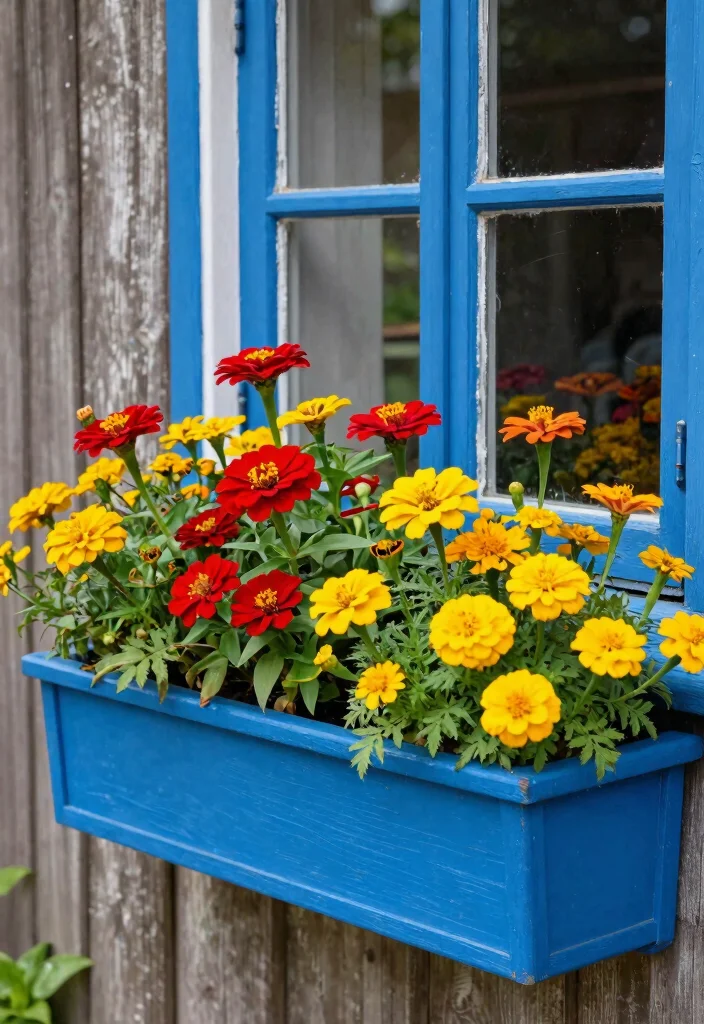
If you love vibrant colors, try a bold and bright theme for your blue window boxes. Mix eye-catching shades like deep reds, bright oranges, and sunny yellows with your striking blue backdrop. Plants such as zinnias, marigolds, and sunflowers can create a lively display that radiates warmth and joy.
Balance your choices to ensure a visually appealing arrangement without overwhelming the space. Incorporating dark foliage, like black mondo grass, adds a dramatic contrast that makes the colors pop.
Tips for this theme include:
– Position taller plants at the back and shorter ones in the front for depth.
– Explore color theory to find complementary hues that truly shine.
– Regularly deadhead flowers to encourage prolonged blooming.
This bold approach makes a striking statement and infuses your outdoor decor with excitement.
4. Rustic Charm with Wooden Boxes
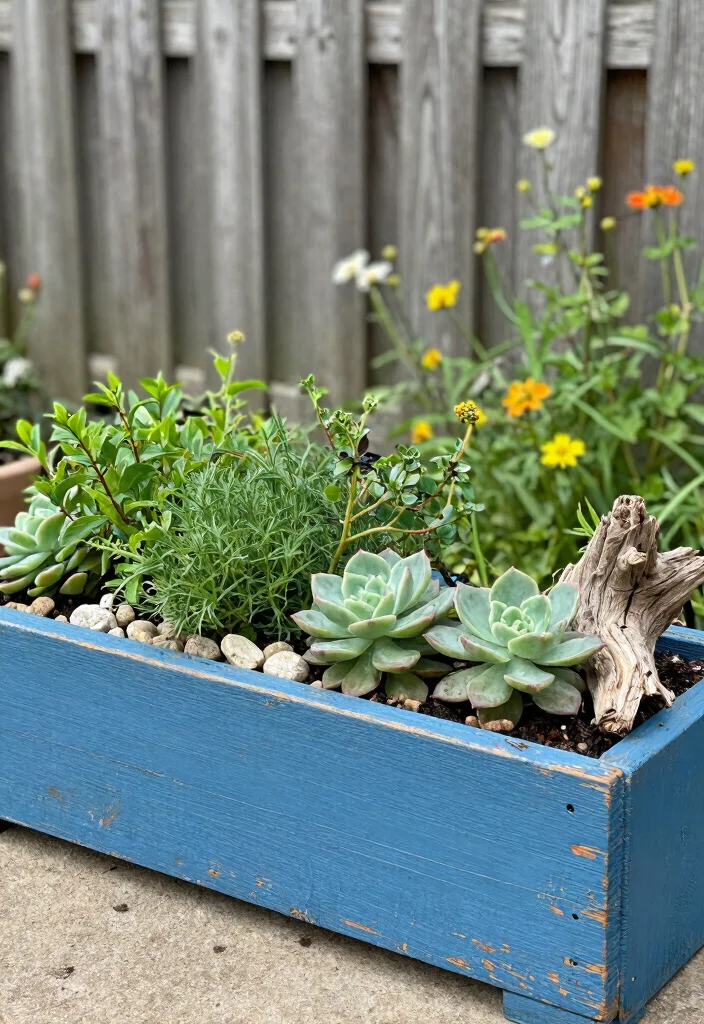
For a rustic touch, opt for wooden window boxes painted in a soft blue. Fill them with resilient plants like herbs, succulents, and colorful foliage to emphasize natural beauty and texture. Succulents, in particular, add a distinctive flair and require minimal care, making them perfect for busy lifestyles.
Enhance the look further by adding small decorative elements like stones or driftwood for extra interest.
Practical recommendations include:
– Ensure your wooden boxes are treated to resist moisture damage.
– Use high-quality potting mix to help your herbs thrive.
– Vary the heights of your plants to create visual focal points.
This rustic style blends functionality with aesthetics, enriching your gardening experience.
5. Vertical Garden Delight
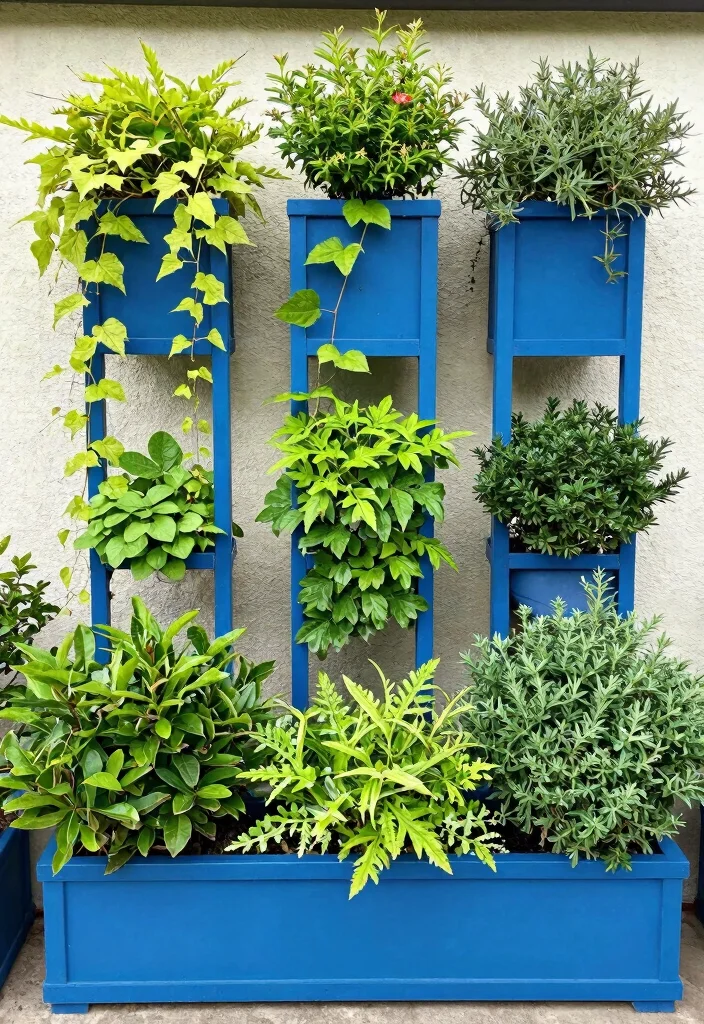
For space-saving solutions, a vertical garden in your window boxes can be stunning. Use taller boxes with dividers to create sections for different plants. Fill them with trailing vines, such as sweet potato vine or cascading petunias, alongside compact shrubs for a lush display.
This design not only maximizes space but also offers a visual feast from various angles.
Key tips include:
– Select plants that thrive in vertical settings without crowding each other.
– Use drainage materials to prevent root rot effectively.
– Rotate your plants seasonally for a refreshing change.
This design is ideal for enhancing your greenery while adding a unique twist to cottage aesthetics.
Did you know vertical gardens can triple usable planting space in a single window box? With taller boxes and dividers, blue window box ideas turn tiny courtyards into lush displays that read from street level to rooftop.
6. Seasonal Themes
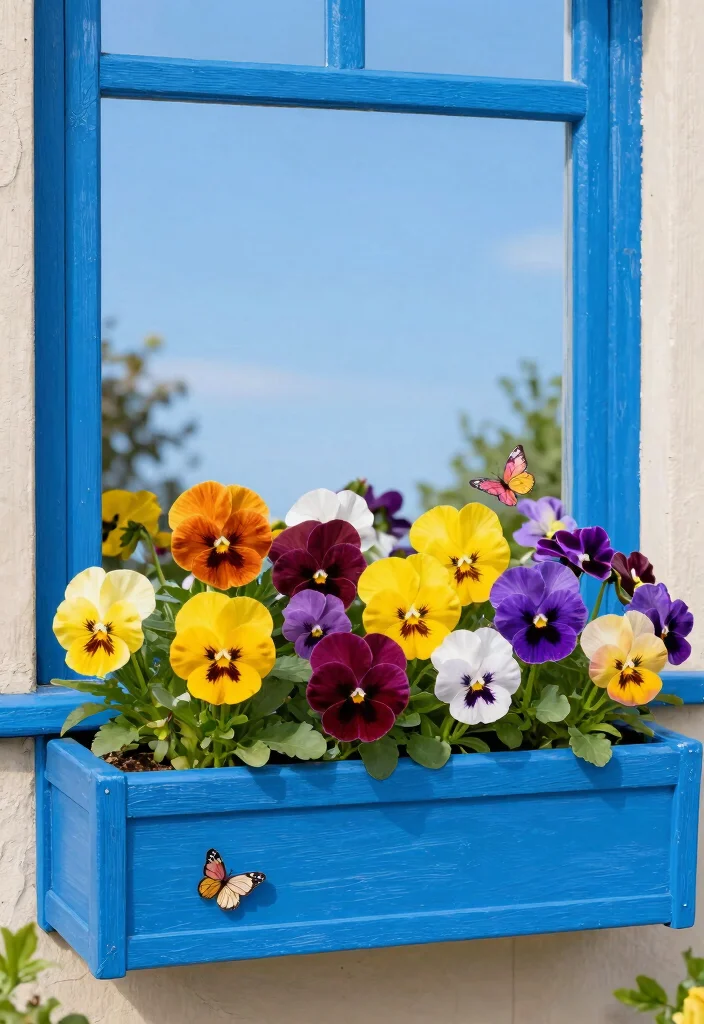
Creating a seasonal theme in your blue window boxes brings exciting changes throughout the year. Incorporate flowers like pansies for spring, dahlias for summer, and ornamental kale for fall to ensure diversity and freshness with each season.
Adding small decorations, like pumpkins in the fall or snowmen in the winter, can complement your plants and enhance the seasonal feel.
Here are some helpful tips:
– Plan plant rotations ahead for seamless transitions.
– Use perennial plants for longevity in your displays.
– Choose seasonal colors to reflect the changing times.
This approach creates a dynamic display, keeping your cottage garden vibrant and engaging throughout the year.
7. Edible Blooms
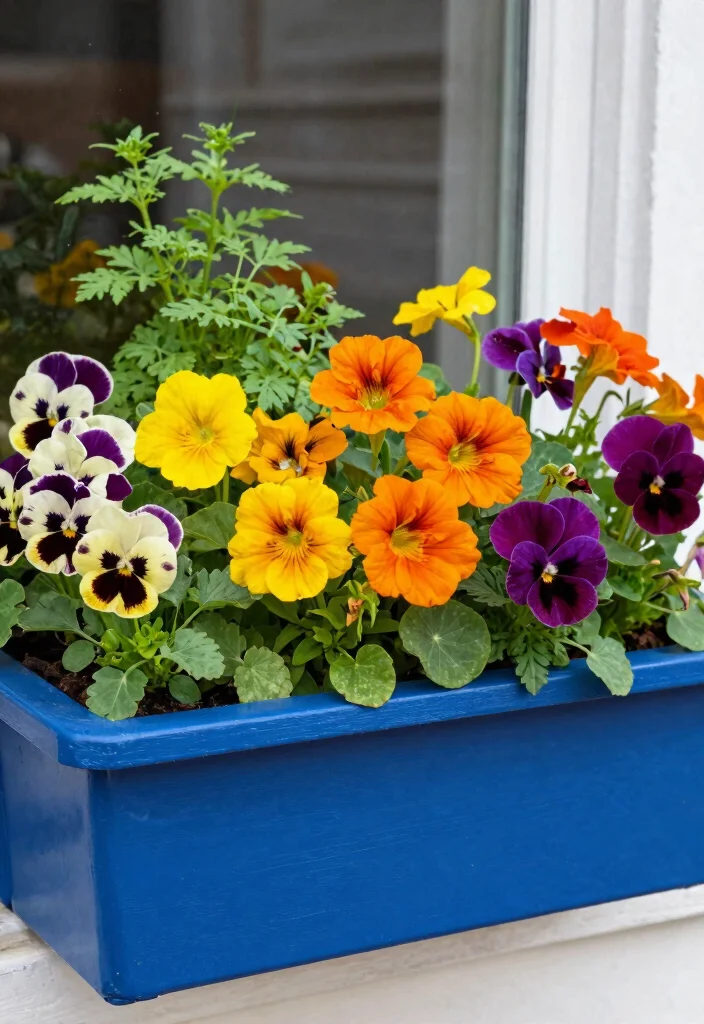
Combine beauty and functionality by growing edible blooms in your blue window boxes. Plants like nasturtiums, pansies, and edible violets not only look beautiful but can also enhance your dishes with flavor. This approach adds a delightful twist to your gardening while promoting a sustainable, farm-to-table lifestyle.
Remember to practice organic gardening to keep your edible plants healthy and thriving.
Consider these tips for success:
– Ensure adequate spacing for air circulation among your plants.
– Use high-quality organic fertilizer to encourage robust growth.
– Rotate your edible plants through the seasons for continuous harvests.
Incorporating edible flowers into your window boxes creates unique outdoor decor, adding a whimsical touch to your garden.
8. Minimalistic Succulents
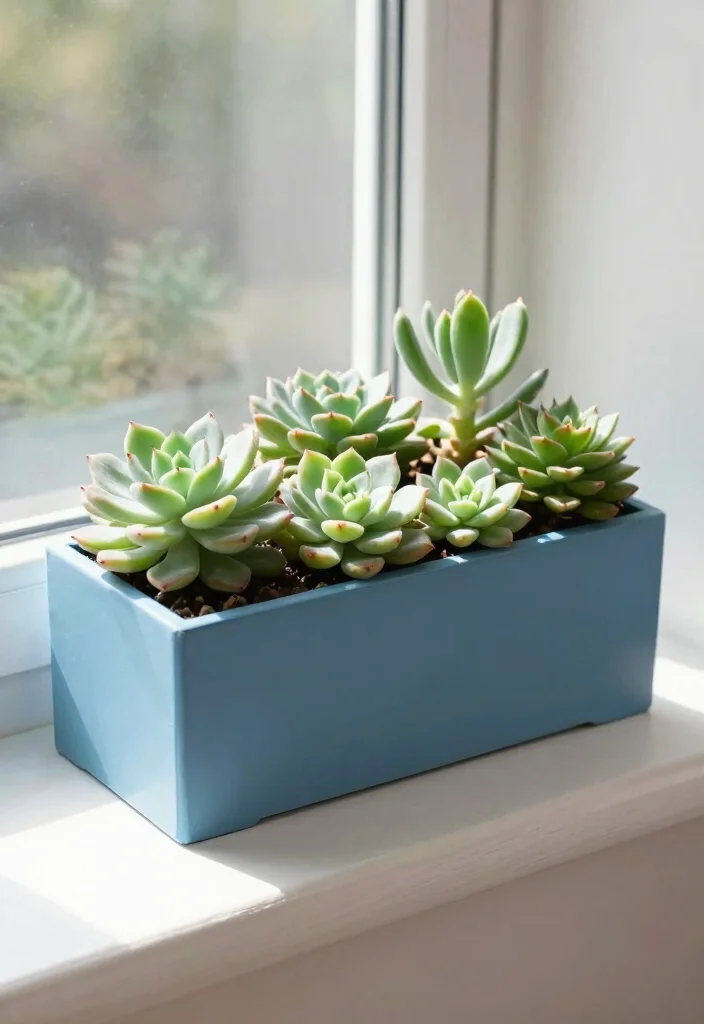
For a minimalistic approach, a blue window box filled with succulents can be both striking and easy to maintain. Choose a variety of textures and colors, such as Echeveria, jade, and string of pearls, which thrive in sunlight and require minimal watering.
Layering different shapes can create a modern aesthetic that fits beautifully in a cottage garden.
Here are some helpful tips:
– Use well-draining soil to prevent root rot.
– Arrange succulents by height and color for visual interest.
– Water sparingly to keep your plants healthy.
This minimalistic design showcases your plants elegantly while simplifying your gardening experience.
Fun fact: Among blue window box ideas, succulents like Echeveria and string of pearls thrive with 2–3 weeks between watering. This pace keeps leaves plump, colors vivid, and soil dry enough to prevent root rot.
9. Whimsical Fairy Garden
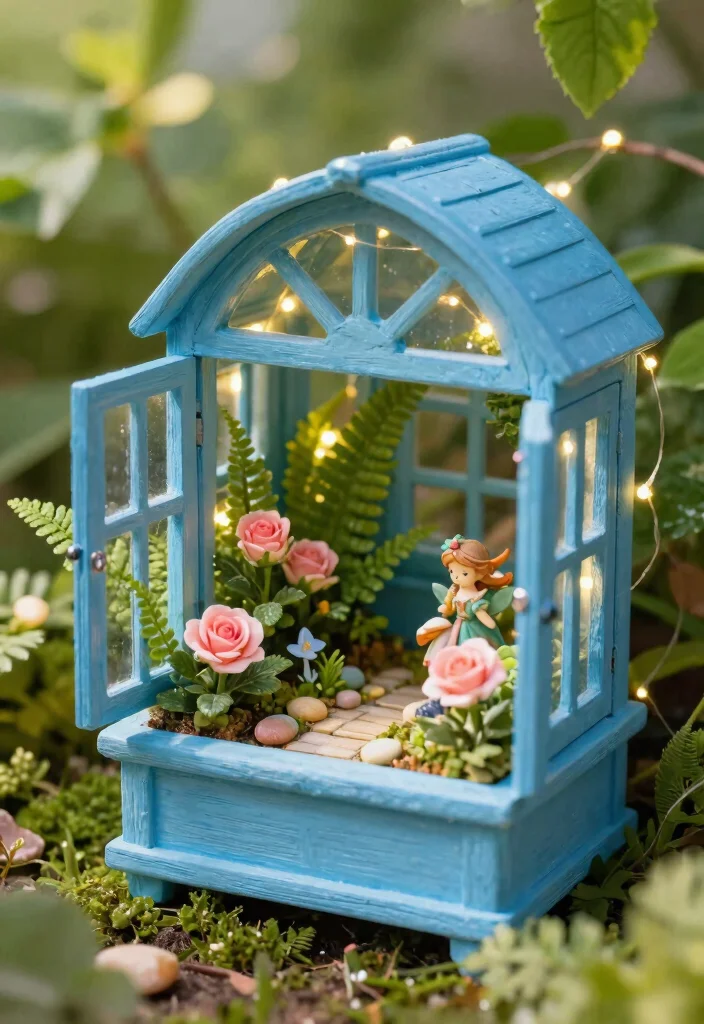
Let your creativity shine with a whimsical fairy garden theme in your blue window boxes. Fill them with small flowering plants, tiny figurines, and miniature furniture to create an enchanting little world. Use plants like miniature roses, ferns, and moss for a lush landscape that invites curiosity.
Incorporate fairy lights for nighttime magic or colorful stones for added flair.
Tips for crafting your fairy garden:
– Choose dwarf plants that stay small but deliver visual appeal.
– Personalize with small decorations that tell a story.
– Water carefully to protect delicate features.
This fun and quirky design is perfect for those who love to let their imagination flourish in their garden.
Fairy gardens in blue window boxes are tiny projects with big smiles. Start with a dwarf plant, a little figurine, and a strand of lights. You’ll watch your space feel magical in an afternoon.
Conclusion
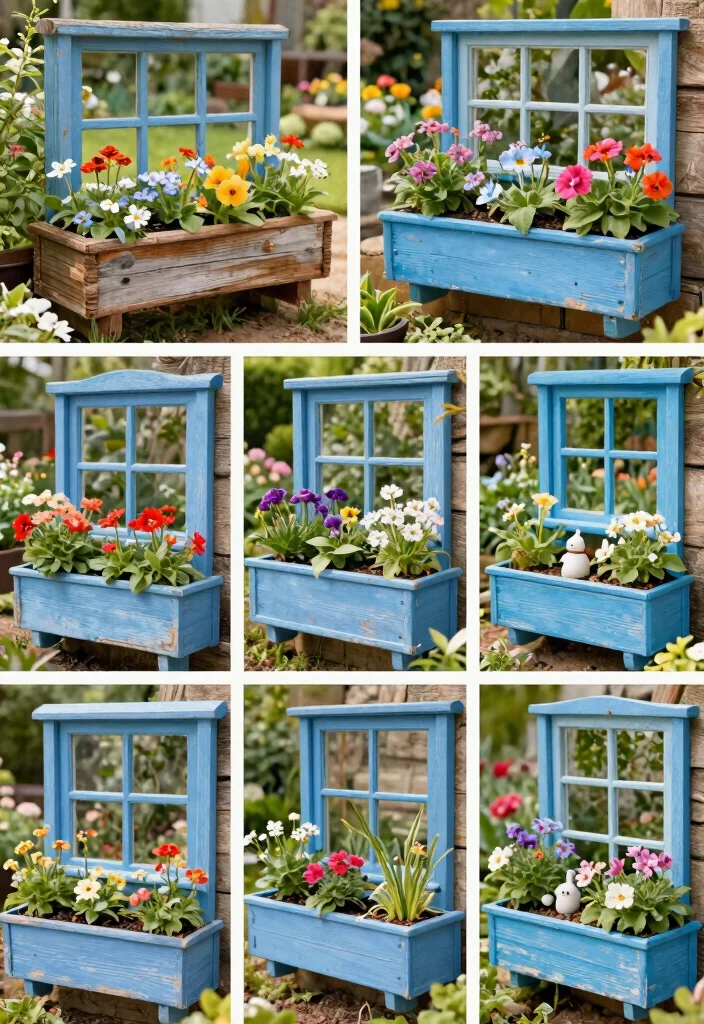
Each of these blue window box ideas brings its own unique charm to cottage homes, blending creativity with the joy of gardening. Whether you prefer bold colors, serene pastels, or edible blooms, there’s a style for everyone.
Take these inspirations and add a personal touch to your window boxes, creating a magical outdoor space that reflects your personality. Happy gardening!
Note: We aim to provide accurate product links, but some may occasionally expire or become unavailable. If this happens, please search directly on Amazon for the product or a suitable alternative.
This post contains Amazon affiliate links, meaning we may earn a small commission if you purchase through our links, at no extra cost to you.
Frequently Asked Questions
What Are the Best Blue Window Box Ideas for a Charming Cottage Garden?
Here are practical, eye-catching ideas to elevate your cottage garden design with blue window boxes.
Start with a soft blue window box to keep the look light and inviting, then pair with white or pale pink blooms for contrast. Create a cascading effect using trailing plants like lobelia and nemesia, and add a taller focal plant such as delphinium or lisianthus in the center for vertical drama. Use textural filler greenery like dusty miller or thyme to soften edges and fill gaps.
For window box plants selection and container gardening tips, check your sun exposure and choose plants that match your site conditions. This keeps your display cohesive and easy to maintain.
Which Plants Work Best in Blue Window Boxes for Cottage Garden Design?
A balanced mix of blues, whites, and soft greens comes together nicely in blue window boxes. Start with window box plants that match your sun exposure, such as lobelia erinus, nemesia, and petunias for vibrant blue blooms. Add a vertical element with a taller plant like delphinium, hydrangea varieties with blue blooms, or campanula. Fillers like dusty miller, thyme, or oregano give texture, while trailing varieties such as sweet alyssum or ivy soften edges. Space plants evenly for a lush look that mirrors classic cottage garden design. For easy care, group plants with similar water needs and use a high-quality potting mix as part of your container gardening tips.
How Can I Create a Cohesive Cottage Look Using Blue Window Boxes?
Consistency is key. Choose the same style of window boxes and paint color across your home to establish a unified canvas for your cottage garden design aesthetic. Use a recurring blue tone and repeat a similar plant palette in each box, mixing one tall centerpiece with layered mid-height and trailing blooms to create flower box inspiration. Add white or pale accents to echo cottage trim, and place boxes at similar heights along windows to guide the eye. For practical planting, group plants with matching sun and water needs, and consider using breathable, well-draining soil as part of your outdoor decor ideas.
What Maintenance Tips Keep Blue Window Boxes Thriving Throughout the Season?
Keep your display fresh with simple, practical steps. Use a well-draining potting mix and a reliable drainage plan to prevent root issues in blue window boxes. Water deeply and consistently, especially in hot summers, then deadhead fading blooms to encourage new growth as part of your container gardening tips. Feed every 4–6 weeks with a balanced fertilizer, rotate annuals as needed, and replace exhausted plants to maintain color harmony in your blue window box ideas. In winter, protect or bring boxes inside if frost is a risk. Regular upkeep is your best outdoor decor ideas-preserver.
Where Should I Place Blue Window Boxes for the Best Visual Impact on a Cottage Home?
Position blue window boxes where they can be seen and cared for easily, ideally framing entry doors or long windows on a sunlit facade. Full-sun spots bring the most vibrant blues; shade-tolerant choices work if your boxes receive dappled light. Keep consistent height and spacing to reinforce the cottage look, and vary plant textures but keep the color family cohesive to deliver strong flower box inspiration without looking busy. Pair with matching outdoor decor ideas like a white picket fence or herb planters to reinforce the cottage garden design vibe.
![15 Best Spring Window Box Planting Ideas [Early Blooms]](https://snugfelt.com/wp-content/uploads/2026/04/15-Best-Spring-Window-Box-Planting-Ideas-Early-Blooms-150x150.webp)