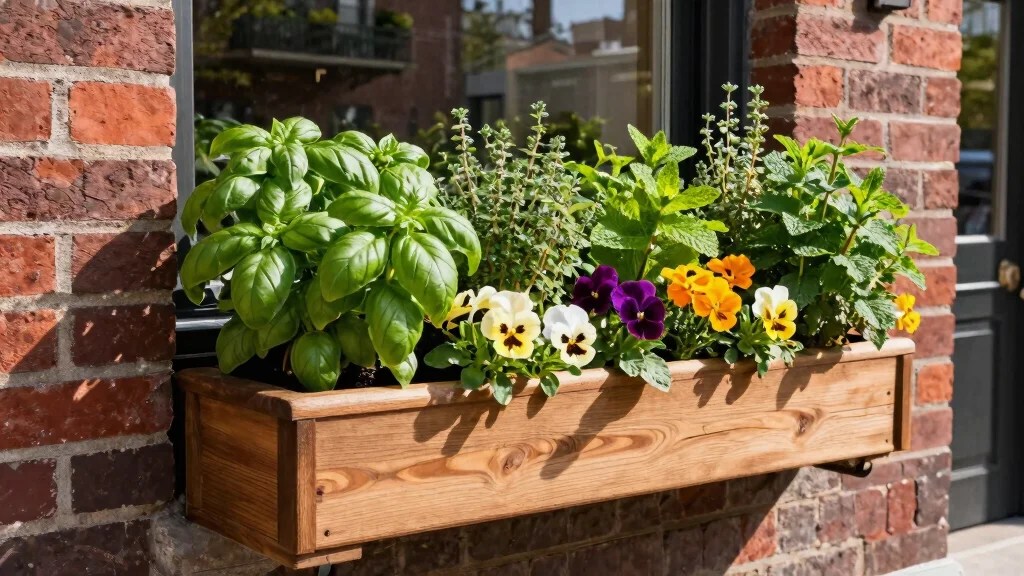
Spring is here, and with it comes the perfect opportunity to transform your home’s exterior into a refreshing oasis. This season has me craving vibrant colors and fragrant herbs that dance in the breeze. There’s something special about window boxes filled with lush greenery and blooming flowers that brightens up any space. That’s why I created this post—to share a collection of stunning spring window box inspiration photos specifically for herb gardeners looking to spruce up their urban gardens.
If you’re passionate about gardening or simply love the idea of having fresh herbs at your fingertips, this one’s for you. Whether you have a large patio or just a small balcony, window boxes can bring life to your environment. You’ll find plenty of ideas that cater to your style and growing conditions. Each idea is designed to inspire and motivate you to create your own beautiful herb garden right outside your window.
In this post, you’ll discover 21 unique designs that showcase the versatility of window boxes. These inspirations are colorful, aromatic, and perfect for the spring season. From rustic wooden charms to creative upcycling, there’s a little something for everyone. Get ready to explore an array of ideas that will help you create a stunning display of herbs that not only looks great but is also functional for your cooking needs.
Key Takeaways
– Explore 21 diverse window box ideas, each designed to inspire your spring gardening projects and elevate your urban gardening experience.
– Discover practical tips on seasonal plant selection to ensure your herb garden thrives throughout the warmer months.
– Learn about unique flower arrangement designs that can beautifully complement your herbs, adding both color and interest to your window boxes.
– Gain insights into container gardening inspiration, perfect for maximizing small spaces while still enjoying the beauty of nature.
– Find out valuable spring gardening tips that will help you maintain a healthy and vibrant herb garden, ensuring a bountiful harvest all season long.
1. Rustic Wooden Charm
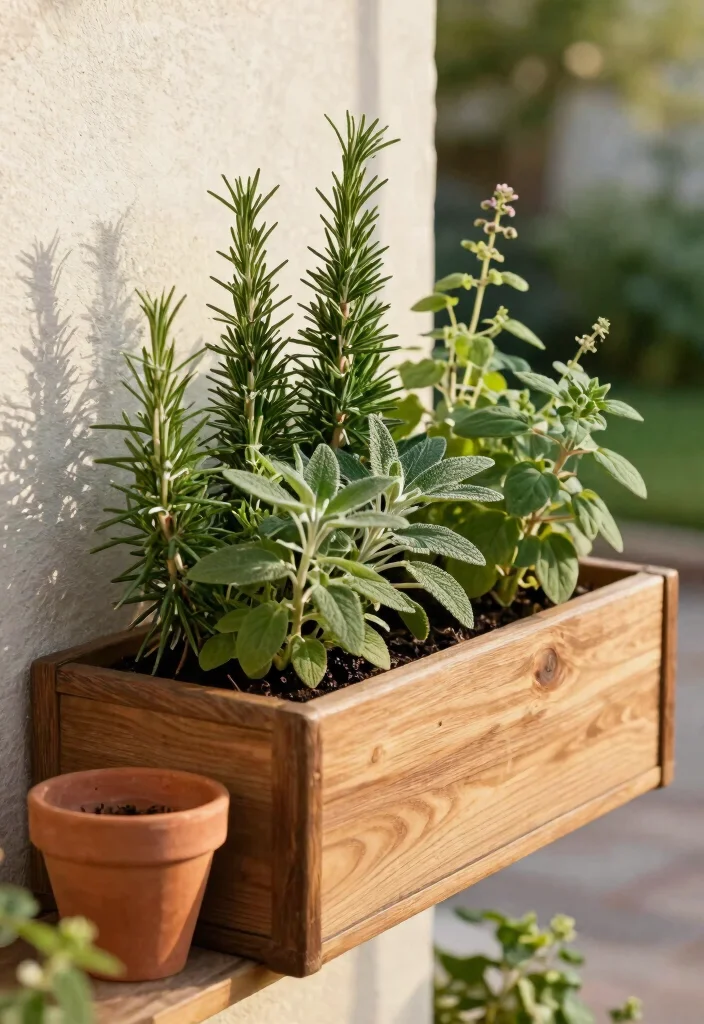
Imagine bringing a slice of the countryside right to your urban window with a rustic wooden box. This charming addition not only enhances your decor but also provides a nurturing home for your favorite herbs. Reclaimed wood offers a natural aesthetic that harmonizes beautifully with the vibrant greens of rosemary, sage, and oregano. These herbs flourish in sunny spots, filling your kitchen with fresh flavors, while their robust health contributes to your wellbeing. By grouping them by height, you can create a visually striking display that draws the eye and invites culinary exploration.
Ensure your box has proper drainage by drilling holes in the bottom and consider lining it with landscaping fabric to maintain soil integrity while allowing water to escape. This straightforward setup breathes life into your space, evoking the warmth of home-cooked meals and family gatherings.
2. Vertical Herb Garden
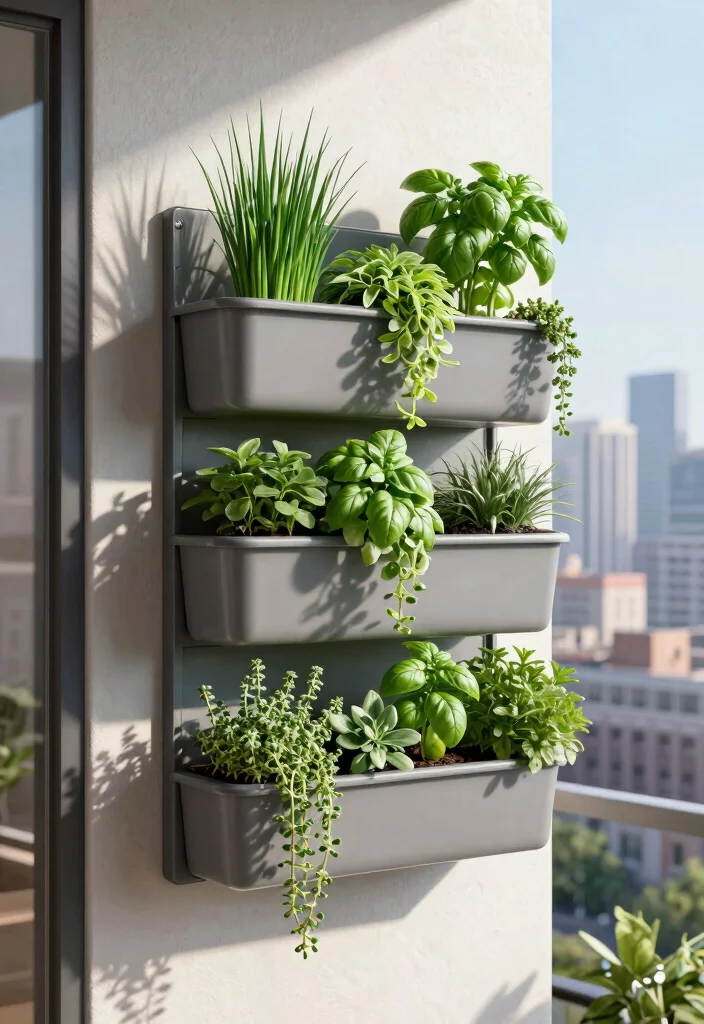
Short on space but eager to cultivate fresh flavors? A vertical window box is your solution, maximizing your herb garden’s potential while minimizing the footprint. This innovative design features multiple tiers, allowing you to grow various herbs in a compact area. Plant cascading herbs like chives or trailing thyme at the top, letting them spill over the edges, while sturdy basil and parsley thrive below.
To elevate your garden’s charm, consider adding a trellis for creeping herbs or climbing flowers, adding texture and color. Establishing a drip irrigation system ensures all plants receive the moisture they need without the risk of overwatering, making maintenance a breeze.
3. Colorful Ceramic Containers
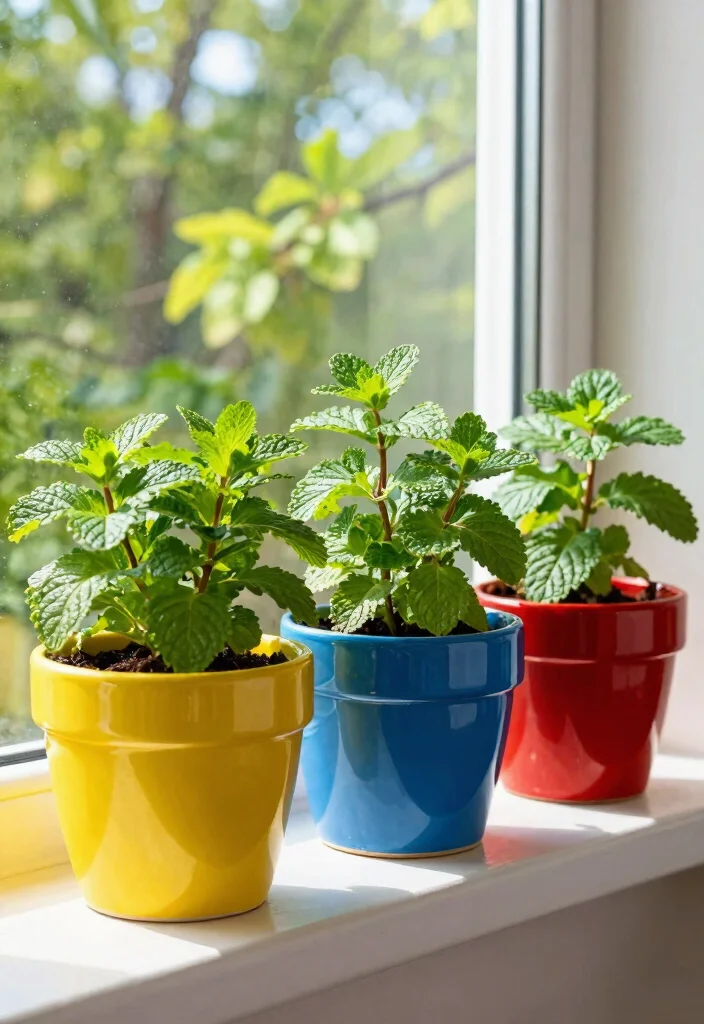
Brighten your window ledge with vibrant ceramic containers that boost your herb garden’s visual appeal. By choosing pots in various shapes and sizes, you can create an eclectic look that stands out against lush greenery. Fill these cheerful vessels with lively herbs like lemon balm, mint, and striking edible flowers such as nasturtiums for a delightful burst of color.
Mixing and matching your containers adds a playful touch; consider a Mediterranean theme featuring basil, thyme, and an ornamental blue pot for a cohesive yet vibrant display. Using a quality potting mix designed for containers ensures your herbs receive the nutrients they need while maintaining proper drainage.
4. Herb Spiral
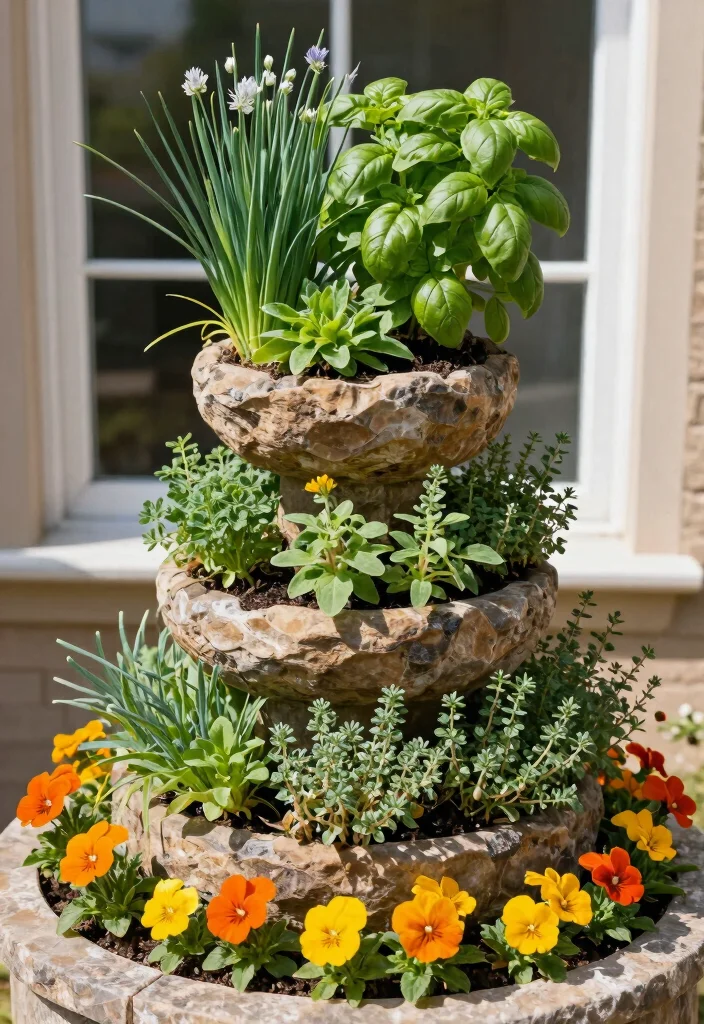
Want to create a unique and functional herb garden? A herb spiral design is a fantastic and creative option for your window box. This layout allows various herbs to thrive in different microclimates, with varying levels of sun and shade. Plant hardy herbs at the base where it’s cooler and moisture-retaining, while heat-loving varieties can flourish at the top.
To add even more interest, integrate edible flowers into the spiral, attracting pollinators and enhancing overall aesthetics. This design is not only visually striking but also promotes better water retention, making it a smart choice for both beauty and function.
5. Minimalistic Zen Garden
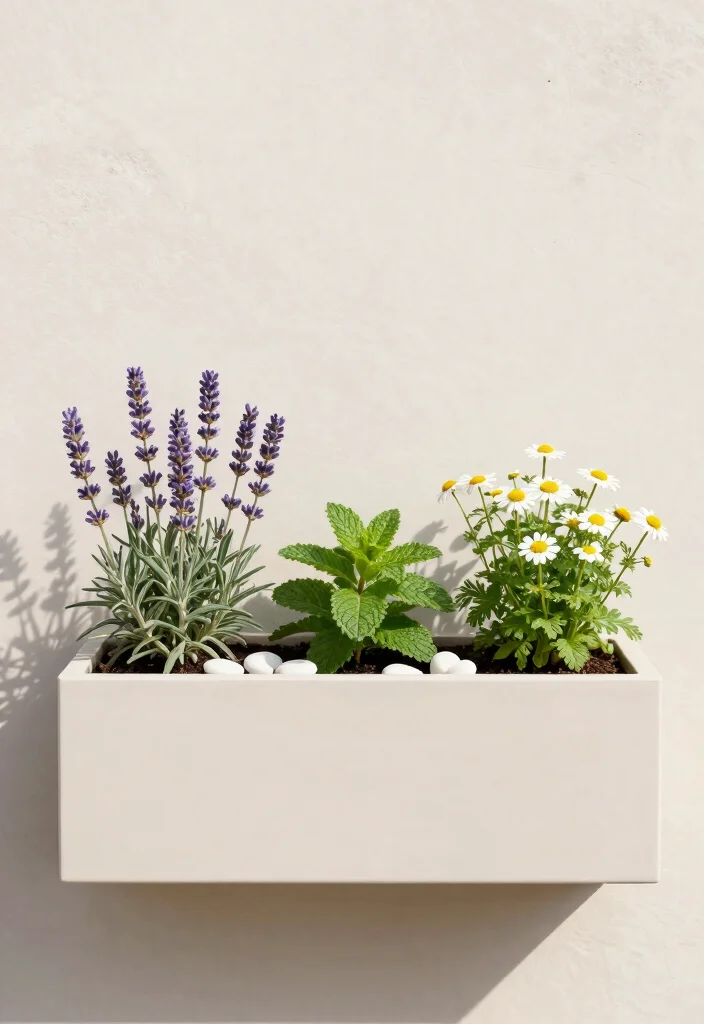
Create a serene escape with a minimalistic herb window box that focuses on simplicity and tranquility. Select a sleek, contemporary container in neutral tones and fill it with a few carefully chosen herbs like lavender, mint, and chamomile. These herbs not only elevate your culinary creations but also fill your space with soothing scents that promote relaxation.
Arrange your herbs with taller plants like lavender at the back and shorter varieties like chamomile in front for easy access. Enhance the zen vibe with decorative stones or gravel, and consider placing a small glass jar of homemade herbal tea to complete this calming garden scene.
Top Varieties for Different Conditions
Chives
– Best conditions: Cool temperate climates and partial shade. Chives thrive in well-drained soil and are perfect for window boxes that receive some sunlight but not too much heat.
– Key features: These herbs are easy to grow and are known for their mild onion flavor. Chives can also produce beautiful purple flowers that attract pollinators.
– Considerations: They can be sensitive to extreme heat, so make sure to provide some shade during hot spells.
Thyme
– Best conditions: Hot, dry climates with full sun exposure. Thyme prefers well-drained soil and can tolerate drought, making it a great choice for sunny window boxes.
– Key features: This aromatic herb has a robust flavor and is perfect for culinary uses. It also has a lovely creeping habit, adding visual interest to your arrangement.
– Considerations: Ensure adequate drainage, as thyme roots can rot in overly wet conditions.
Basil
– Best conditions: Warm, humid environments with direct sunlight. Basil loves heat and needs at least six hours of sunlight daily.
– Key features: Known for its sweet and peppery flavor, basil is a must-have for Italian dishes and fresh salads. The leaves are also lovely and glossy, adding to the visual appeal.
– Considerations: Regular pruning is necessary to prevent flowering and keep the plant bushy.
Mint
– Best conditions: Humid, moderate climates with partial shade. Mint can grow well in various settings, but it prefers moist soil.
– Key features: Mint is highly aromatic and versatile for culinary uses, from teas to desserts. It grows quickly and can fill in a window box beautifully.
– Considerations: Mint can be invasive, so consider planting it in a separate container to prevent it from taking over your garden.
Oregano
– Best conditions: Warm, sunny places with well-drained soil. Oregano flourishes in full sun and can withstand periods of drought.
– Key features: This herb has a robust flavor that enhances many dishes, particularly Italian cuisine. Its bushy growth adds fullness to your window box.
– Considerations: Be cautious of overwatering, as too much moisture can lead to root rot.
Parsley
– Best conditions: Cool to moderate climates with partial shade. Parsley thrives in rich soil and can tolerate some shade, making it a good option for varying light conditions.
– Key features: This versatile herb is perfect for garnishing and flavoring dishes. It also grows tall and bushy, adding height to your window box.
– Considerations: Parsley can be sensitive to temperature changes, so protect it during frost.
Sage
– Best conditions: Warmer climates with full sun and good drainage. Sage prefers well-aerated soil and can tolerate dry spells.
– Key features: With its soft, gray-green leaves, sage adds a beautiful texture to your arrangements. It also has a strong flavor that complements many recipes.
– Considerations: Avoid overcrowding your window box, as sage needs space to spread its roots.
Climate/Condition Guide:
Consider your local climate when selecting herbs for your window box.
– Temperate: Ideal for chives, parsley, and mint, which thrive with some shade and moderate temperatures.
– Continental: Look for hardy varieties like thyme and oregano that can handle temperature swings.
– Coastal: Choose salt-tolerant herbs like basil that enjoy the warmth and sunlight.
– Hot/Dry: Focus on drought-resistant herbs like thyme and sage that can thrive in full sun with minimal water.
– Humid: Basil and mint flourish in these conditions but ensure good air circulation to prevent mildew.
Growing Tips:
1. Always use high-quality potting soil for better drainage and nutrients.
2. Ensure adequate sunlight by positioning your window box where it can receive at least 6 hours of light daily.
3. Regularly prune your herbs to encourage bushier growth and prevent flowering.
Avoid:
1. Overwatering, as it leads to root rot and other diseases. Always check the soil’s moisture before watering.
2. Planting invasive herbs like mint without boundaries, as they can overtake your other plants in no time.
6. Fragrant Herb Medleys
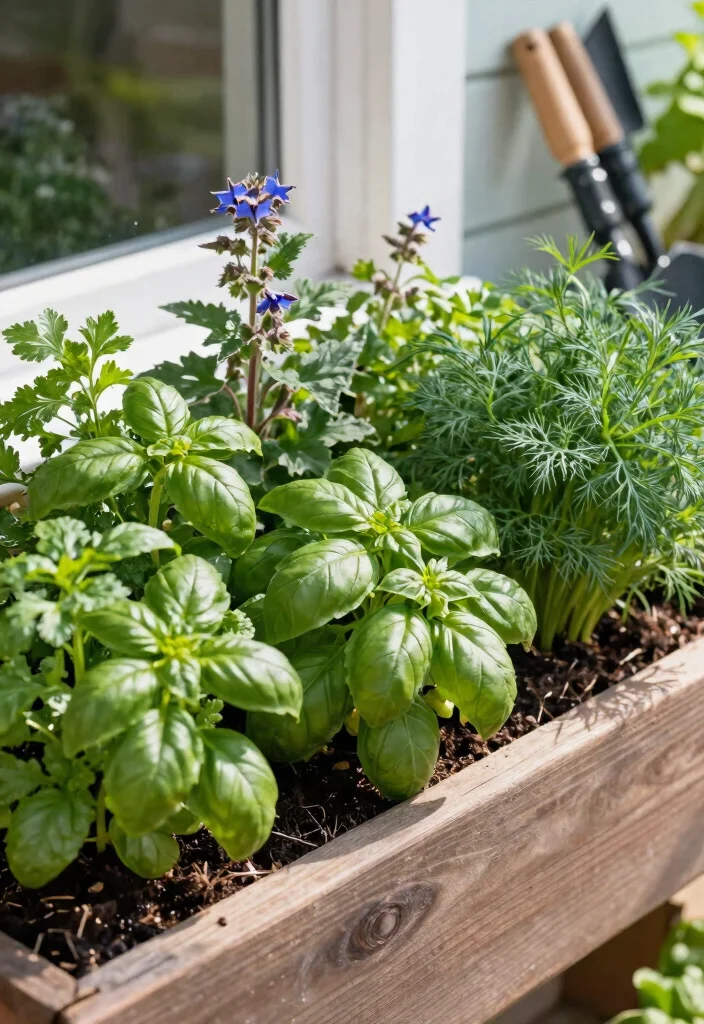
Infuse your cooking with an aromatic medley of herbs that tantalizes the senses. Combining flavors like basil, parsley, and dill creates a dynamic herb garden that’s visually appealing and fragrant. The soft, feathery leaves of dill contrast beautifully with the broad, flat leaves of parsley, enhancing the garden’s texture and color.
For added fragrance and charm, introduce aromatic flowers such as borage or rosemary. This combination not only delights the eyes but also provides a sensory experience every time you approach your window box.
Urban spaces deserve big flavor. A fragrant herb medley in your window box turns cooking into a daily ritual. Fresh basil, dill, and parsley bring scent, texture, and a spark of spring window box inspiration to any kitchen.
7. Edible Flower Accents
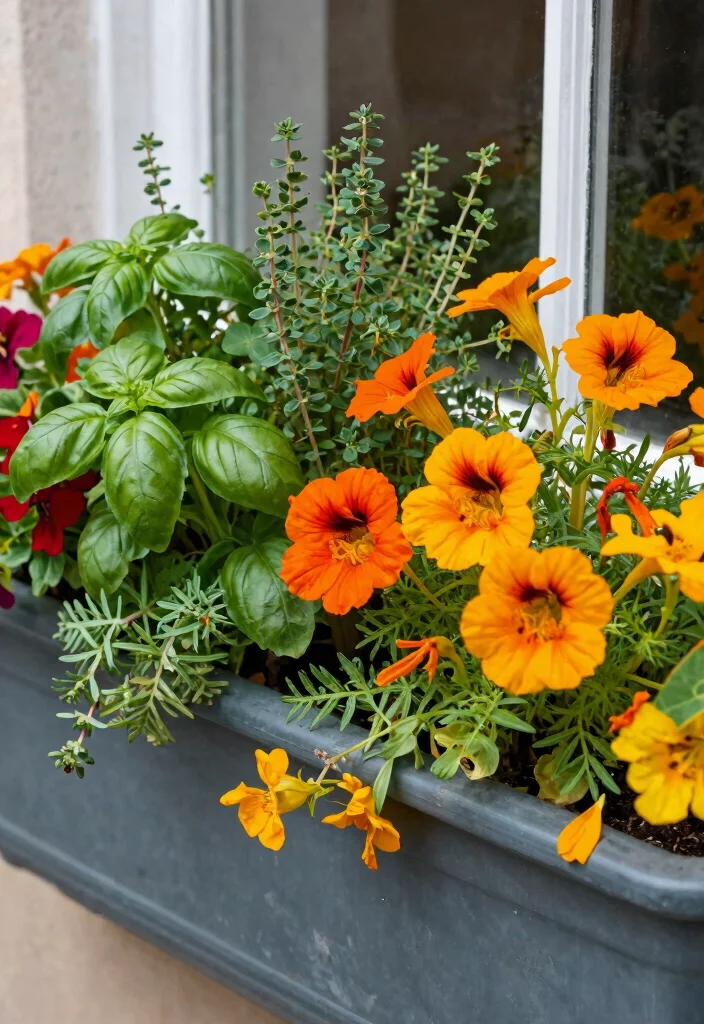
Elevate your herb garden by incorporating edible flowers that bring both beauty and flavor to your dishes. Choose blooms like nasturtiums, marigolds, and violets that are safe to eat, creating stunning contrasts against your green herbs. These vibrant flowers can be planted alongside traditional herbs like basil and thyme, enhancing both aesthetics and culinary potential.
Research which flowers pair well with your herbs for a cohesive garden. Use these flowers in salads or as garnishes for an elegant touch, transforming your meals with their stunning colors and delightful flavors.
8. Terracotta Tradition
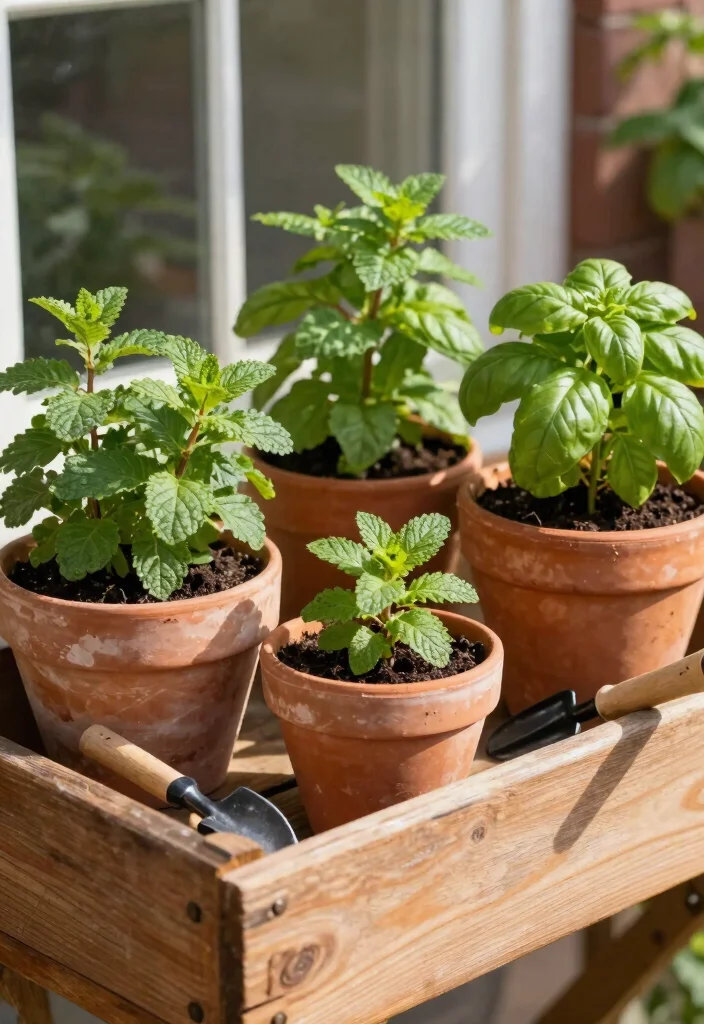
Embrace classic gardening with terracotta pots that offer timeless style and practical benefits. Using terracotta for your window box not only enhances the visual appeal but also allows the soil to breathe, benefiting your herbs significantly. Consider a stacked arrangement of different-sized pots or group several pots of varying heights to create an inviting and sophisticated look.
Plant traditional herbs such as thyme, basil, and mint, which thrive in terracotta thanks to its natural insulation. Personalize your pots with paint or decorations, or leave them in their natural state to evoke a rustic, earthy vibe. The warmth of terracotta beautifully complements the lush greens of your herbs.
9. Creative Upcycling
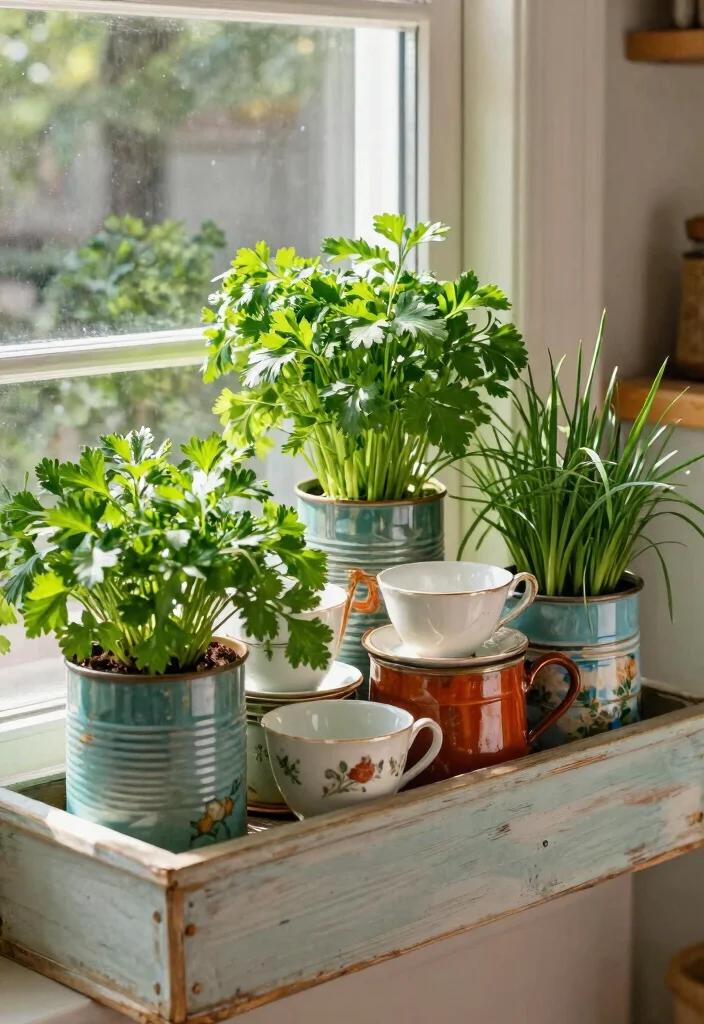
Unleash your creativity by upcycling materials for your herb window box, adding a unique and personal touch. Old wooden crates, tin cans, or vintage teacups can serve as quirky containers that house your herbs while showcasing your style. Fill a bright tin can with vibrant chive and parsley, or use a whimsical teacup for delicate herbs like chamomile.
Ensure proper drainage by creating holes in the bottom or layering stones, allowing your plants to thrive. This eco-friendly approach is not only sustainable but also a great conversation starter.
10. Themed Herb Gardens
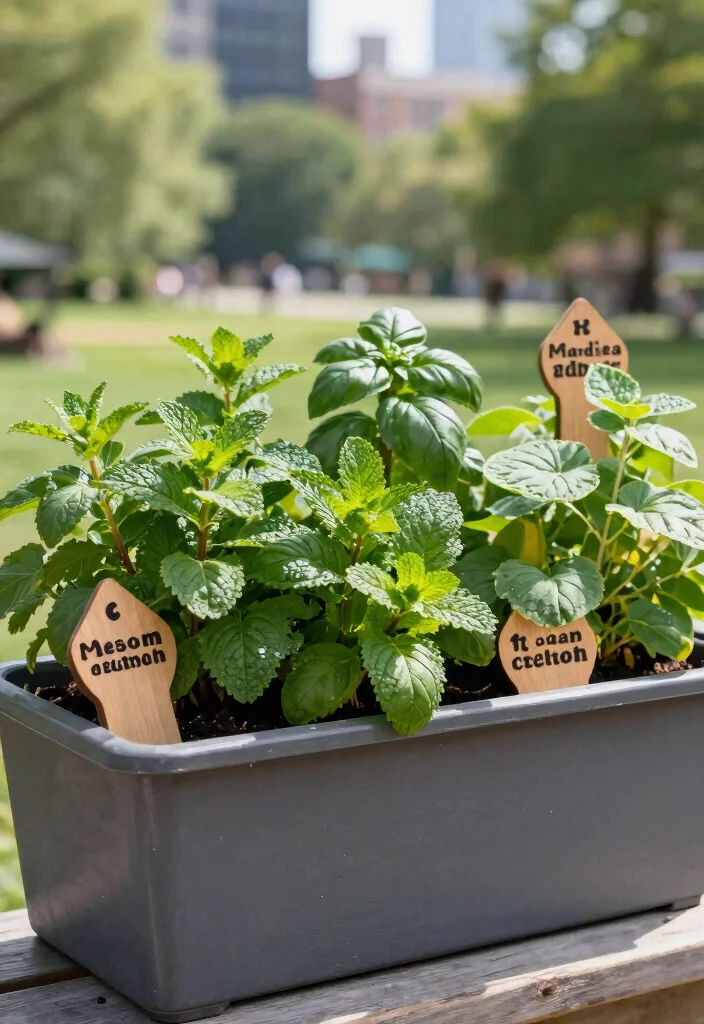
Organize your herb window box with a cohesive theme that adds style and functionality. Choose a Mediterranean theme featuring rosemary, thyme, and lavender, or create a cocktail garden with mint, basil, and lemon balm for refreshing drinks. Grouping herbs with similar uses enhances both aesthetics and culinary practices.
To add a charming touch, label your herbs with decorative markers for easy identification. This not only improves functionality but also serves as a delightful visual element that can spark conversation.
Fun fact: A Mediterranean herb theme with 3 key staples: rosemary, thyme, and lavender is pure spring window box inspiration, turning a small urban space into a fragrant, useful garden. Grouping herbs by use boosts flavor in weeknight meals and makes labeling simple.
11. Multi-Purpose Window Box
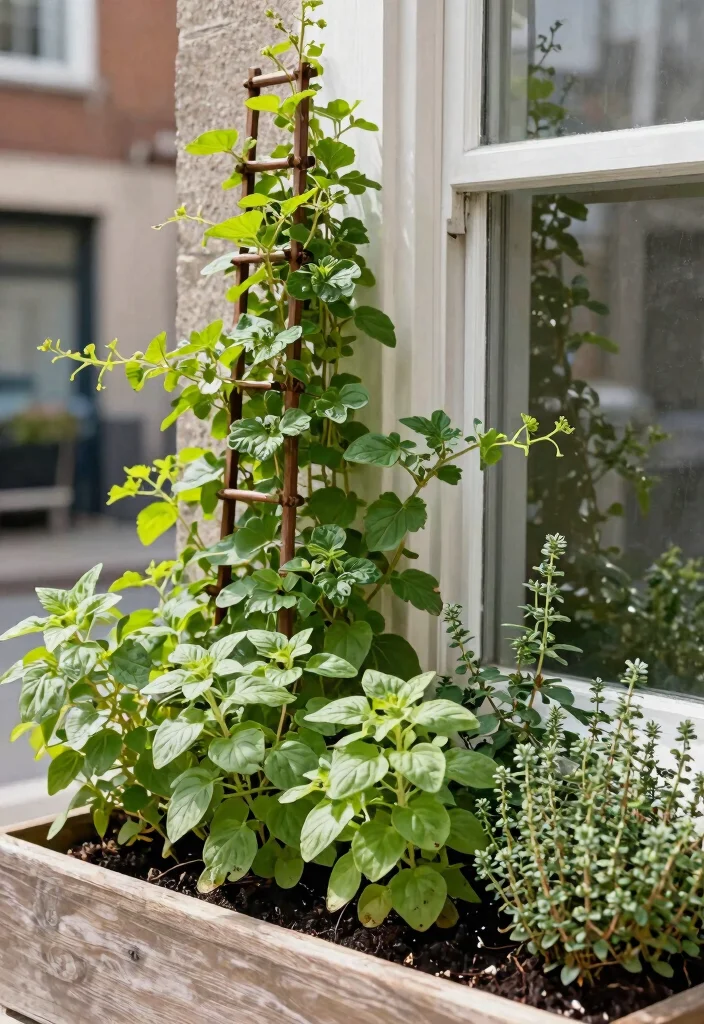
Maximize your window box’s potential by designing it to serve multiple purposes beyond just aesthetics. Integrate small trellises for climbing herbs like pole beans or sweet peas, adding vertical interest to your display. Pair these climbers with ground-dwelling herbs such as oregano or thyme, creating a thriving ecosystem in your window.
Use a mix of potting soil and compost to ensure your plants receive the nutrients they need, supporting vigorous growth and creating a lush, bountiful garden.
12. DIY Hydroponic Window Box
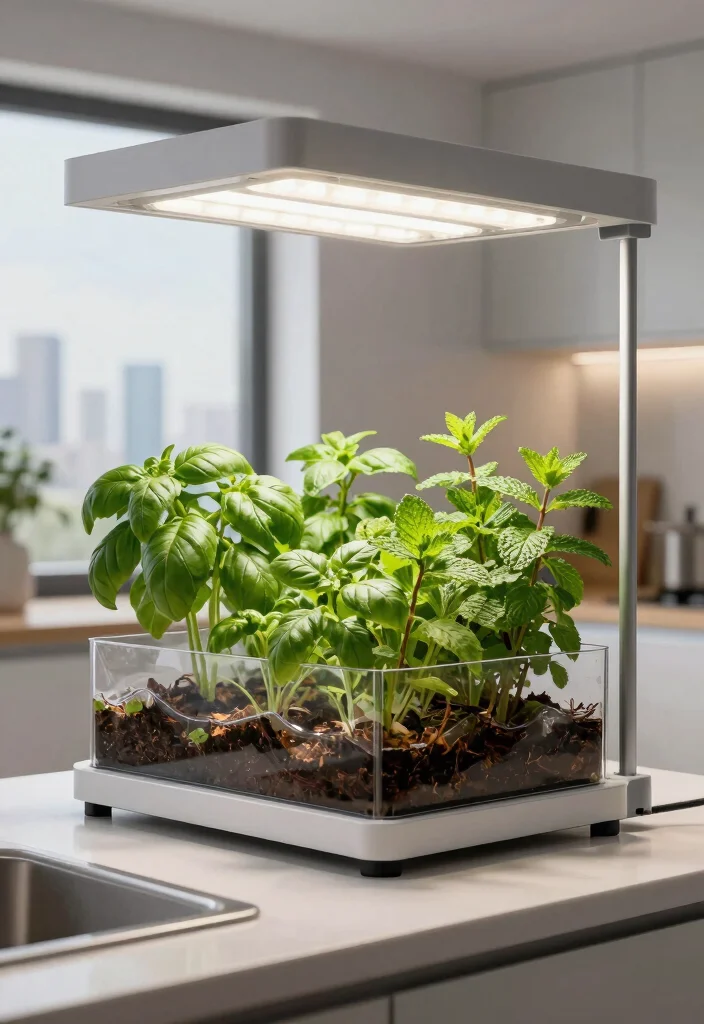
Explore the future of gardening with a DIY hydroponic window box that allows you to grow herbs without soil. This method is perfect for urban environments where space is limited, enabling you to cultivate basil, mint, and cilantro efficiently.
Ensure your setup includes a water reservoir and adequate lighting; simple LED grow lights can work wonders. Regularly check pH levels and nutrient solutions to keep your herbs thriving. This innovative approach offers a fresh perspective on container gardening, ideal for tech-savvy urban dwellers.
13. Seasonal Plant Pairings
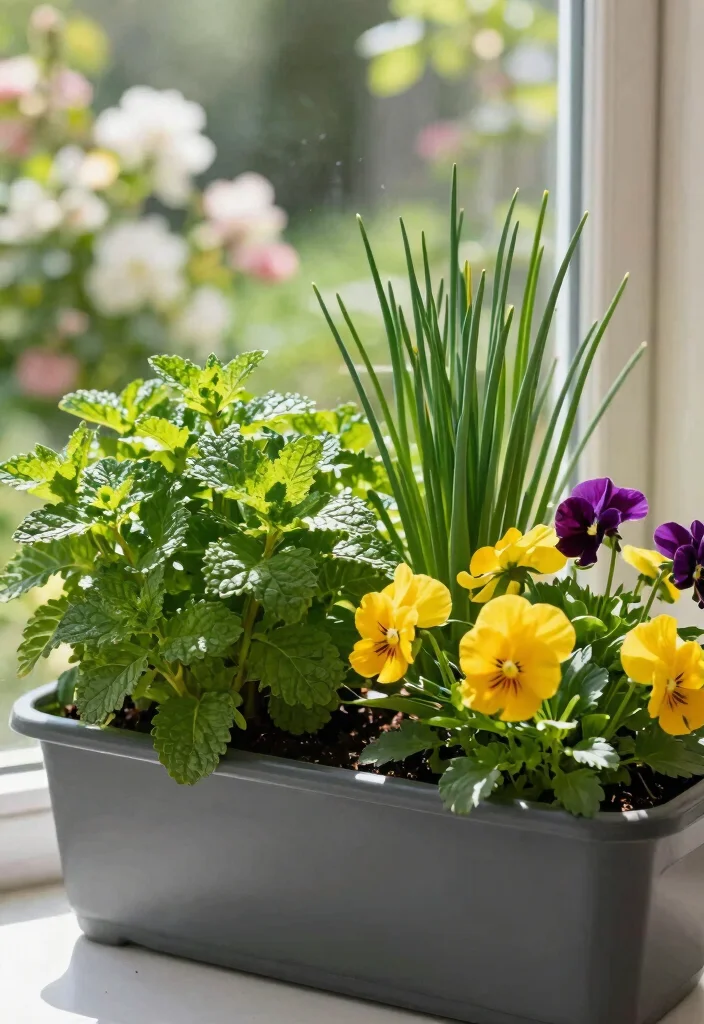
Celebrate seasonal changes in your window box by pairing herbs with seasonal plants. In spring, combine cool herbs like mint and chives with colorful flowers like pansies or snapdragons for a vibrant display. This pairing not only creates a stunning visual but also attracts pollinators to your garden.
As seasons shift, adapt your planting according to what thrives best. Use companion planting techniques to enhance growth and deter pests naturally, keeping your window box fresh and inviting throughout spring.
14. Herb Education Zone
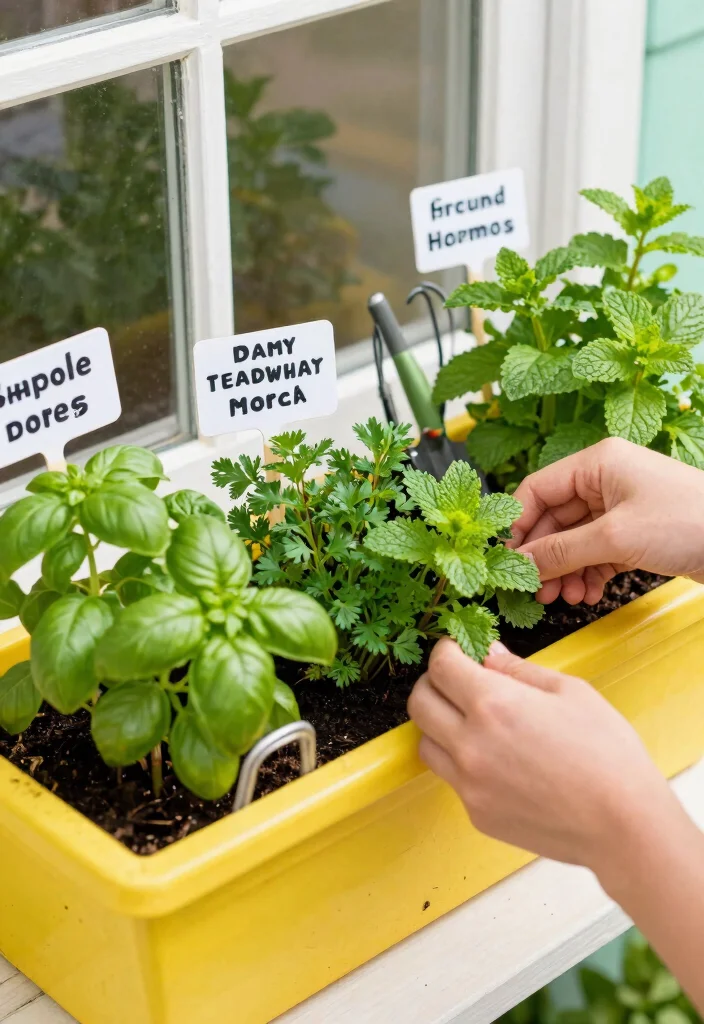
Transform your window box into an educational herb garden that engages and informs. Incorporate various herbs and small signs explaining each plant’s uses, growing conditions, and fun facts. This interactive element encourages learning about gardening and cooking with fresh herbs.
Plant easy-to-grow varieties like basil, parsley, and mint that can be harvested frequently, providing hands-on experience. Host cooking sessions where friends pick herbs to create simple dishes, fostering community around food and gardening.
15. Relaxing Mediterranean Vibes
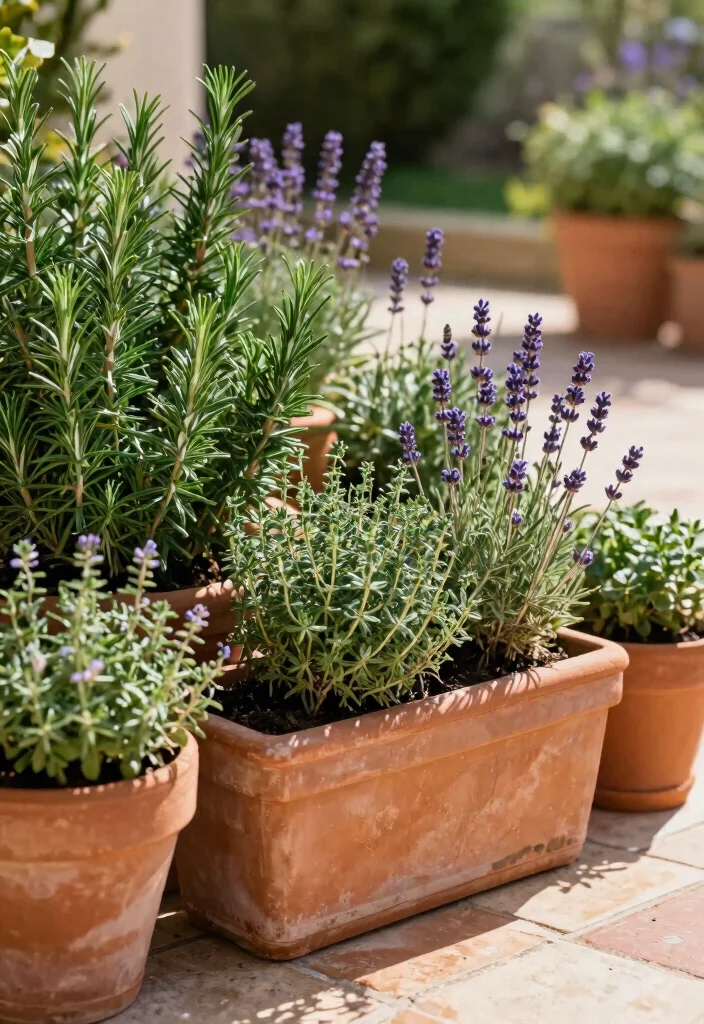
Infuse your urban environment with the relaxing essence of the Mediterranean by creating a herb window box filled with fragrant herbs. Incorporate rosemary, thyme, and lavender, all known for their culinary uses and soothing scents. Arrange them to mimic a hillside garden layout, with rosemary at the back and trailing thyme in front for a natural flow.
Enhance the theme with rustic tiles or terracotta accents, transforming your window box into a sensory escape that beautifies your space and brings the essence of European coasts to your home.
16. Easy Care Succulents as Accent Herbs
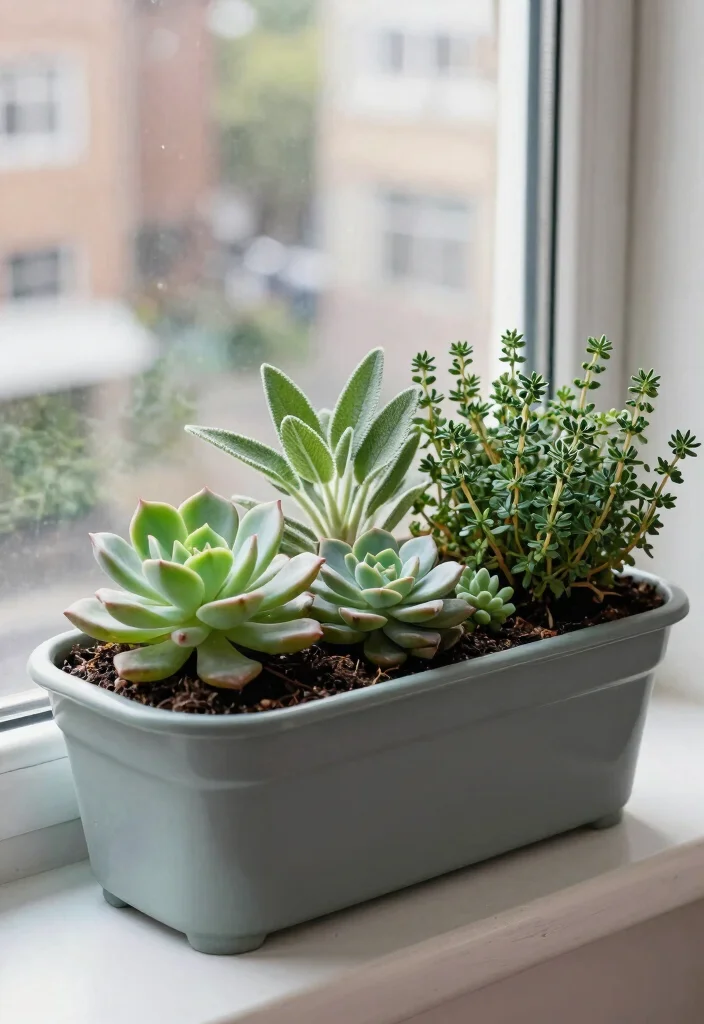
Looking for low-maintenance options? Mixing succulents with your herbs creates an eye-catching twist that requires minimal effort. Succulents add unique textures and shapes to your window box while needing little water, making them ideal companions for hardy herbs like sage and thyme.
Group these succulents and herbs together for a visually stunning contrast. Ensure the soil is well-draining to accommodate both plant types’ needs. This setup looks beautiful and requires less upkeep—perfect for busy urban gardeners.
17. Feng Shui Herb Window Box
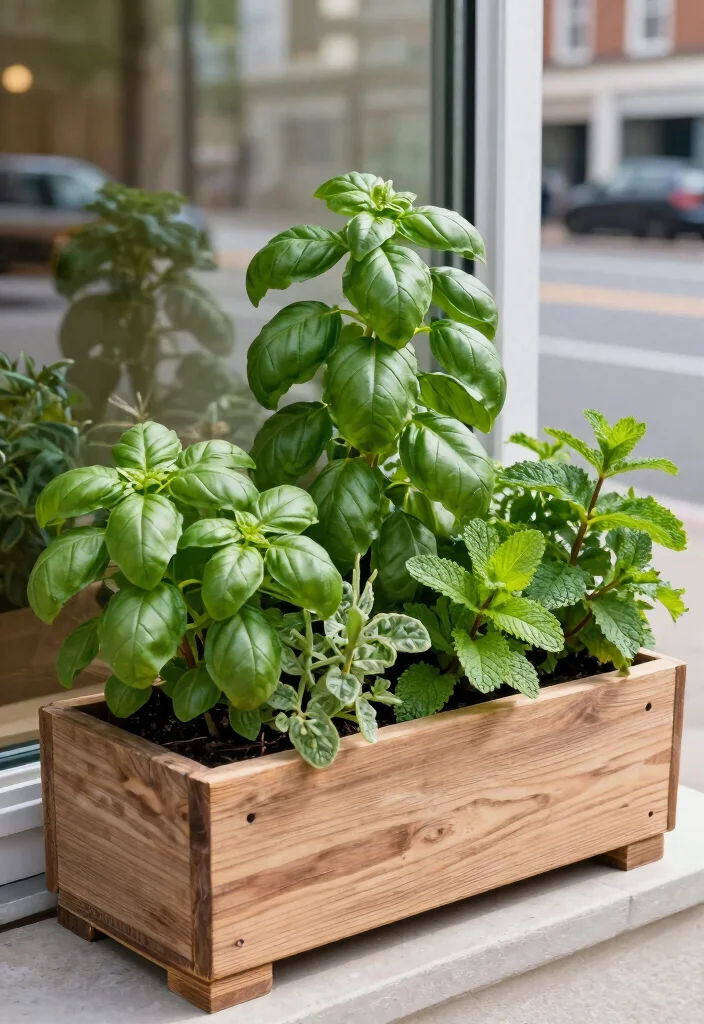
Incorporate Feng Shui principles into your herb window box design to create a space of harmony and balance. Select herbs based on their positive energies; for instance, basil is known for attracting wealth, while mint symbolizes freshness and renewal. Arrange your herbs harmoniously, ensuring that taller plants do not overshadow shorter ones to promote balance.
Choose a variety of vibrant colors and textures to enhance positive energy. Creating a Feng Shui garden beautifies your window and imbues it with intention and purpose.
18. Easy-to-Harvest Window Box
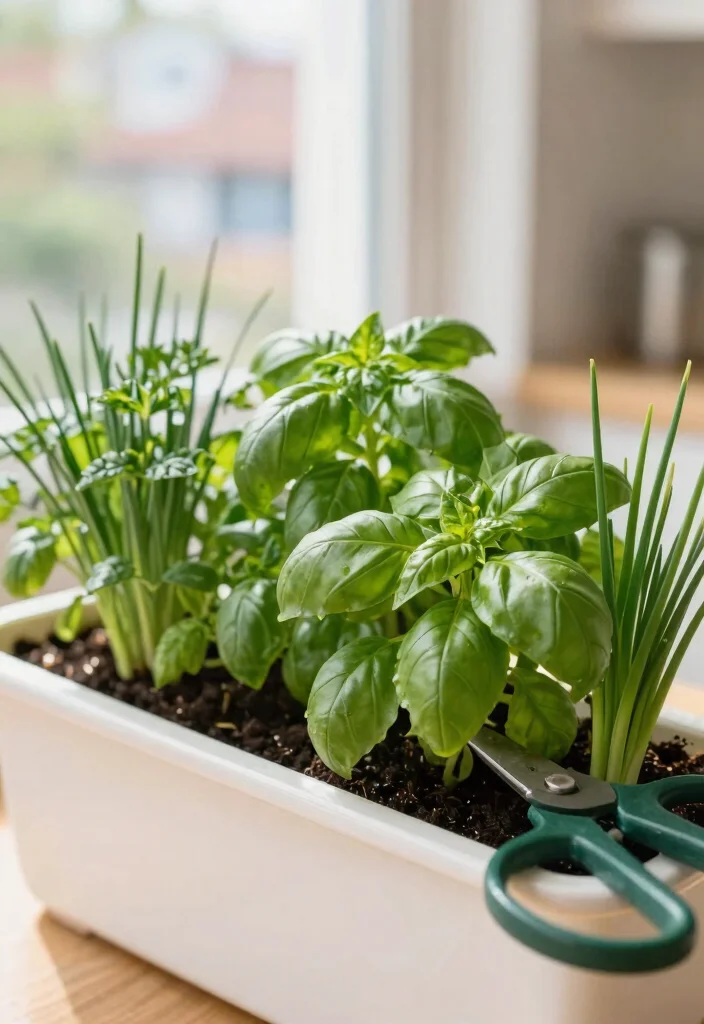
Design your window box with easy harvests in mind for maximum convenience. Opt for herbs that can be easily snipped and regrow quickly, such as basil, cilantro, and chives. Arrange them so the most frequently used herbs are at the front for easy access.
This thoughtful layout makes cooking more convenient while encouraging regular harvesting and consumption of fresh herbs. Regular pruning will help your herbs stay healthy and promote fuller growth, ensuring your cooking experience is enjoyable and stress-free.
Fun fact: A single well-tended, easy-to-harvest window box can yield fresh herbs for 4–6 weeks per season. Basil, cilantro, and chives regrow quickly when snipped, making spring window box inspiration practical and delicious.
19. Herb Companions for Pollinators
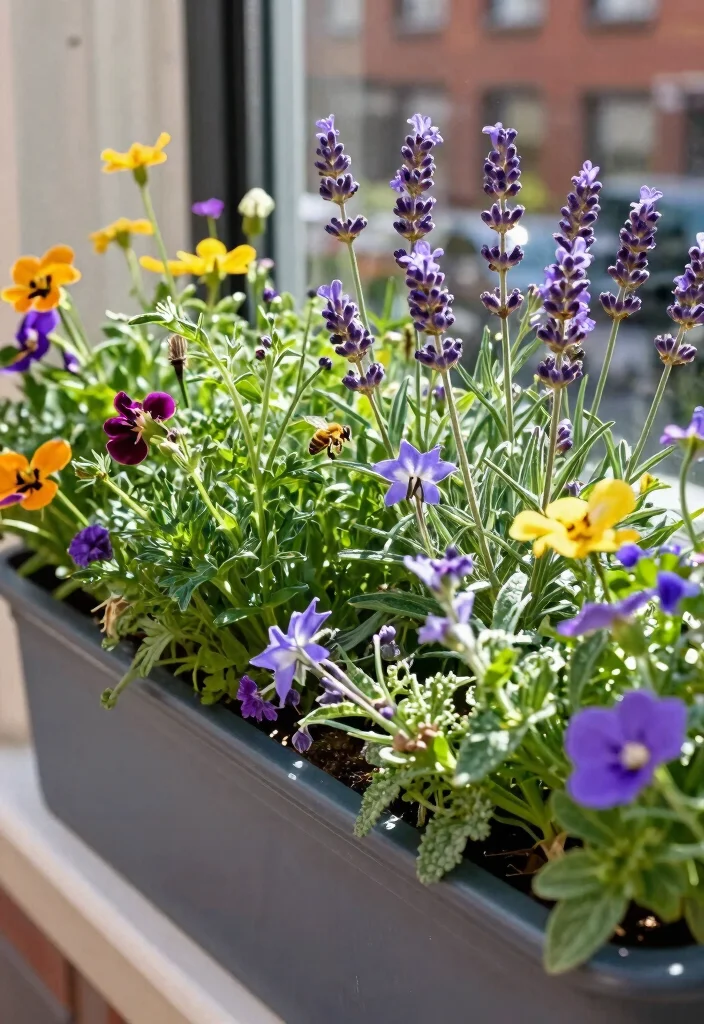
Create a haven for pollinators by planting herbs that attract bees and butterflies. Consider adding flowers like lavender, borage, and sunflowers alongside your culinary herbs. This not only enhances your window box’s beauty but also supports local wildlife and biodiversity.
Ensure your herbs are organic, providing a safe habitat for these important pollinators. By cultivating a pollinator-friendly window box, you enrich your gardening experience and contribute positively to local ecosystems.
20. Frost-Resistant Herbs for Cooler Climates
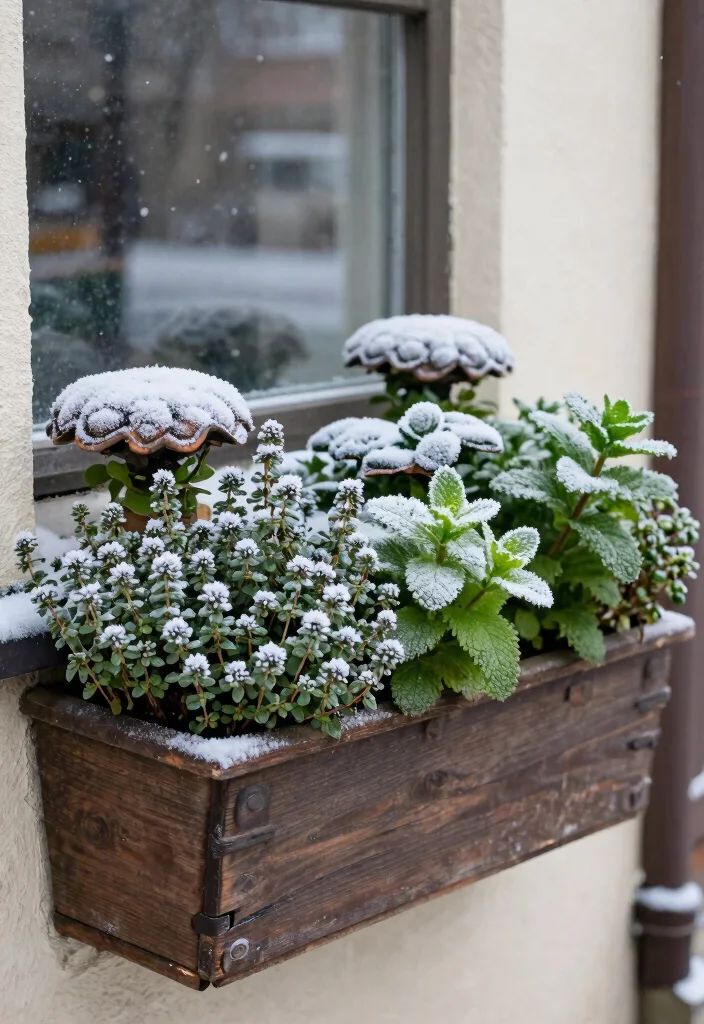
For those in cooler climates, choosing frost-resistant herbs for your window box is crucial for success. Opt for hardier varieties like thyme, chives, and mint that can withstand lower temperatures. Position your plants in a sheltered area to protect them from harsh winds and layer mulch over the soil for added insulation during chilly nights.
Utilize decorative frost covers or cloches for extra protection during particularly cold spells, ensuring your garden remains visually appealing. A well-planned window box showcasing these hardy herbs can thrive despite cooler conditions, offering fresh flavors throughout the seasons.
21. Inspirational Herb Wall Art
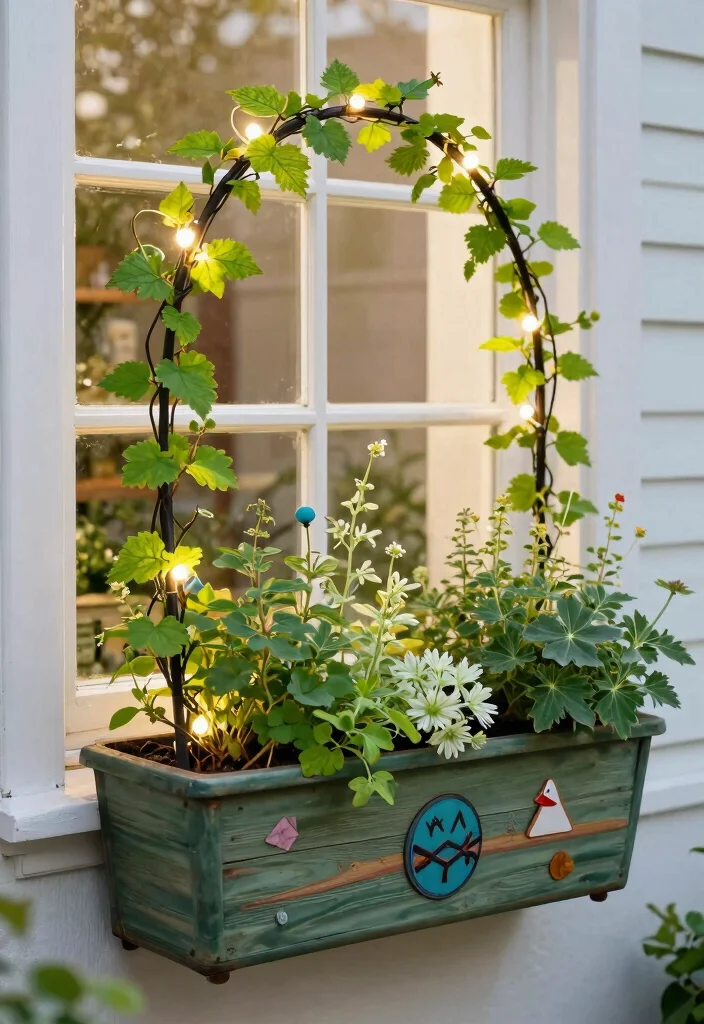
Transform your window box into a canvas for creativity by designing it as herb wall art. Use plant-friendly materials to create artistic arrangements that combine herbs and decorative elements. Support climbing herbs with hanging wire or trellises, intertwining them with decorative lighting or whimsical accents like wind chimes.
Experiment with seasonal themes to keep your design fresh and engaging. This innovative approach not only beautifies your space but also turns your window box into a captivating work of art, inspiring both you and passersby.
Conclusion
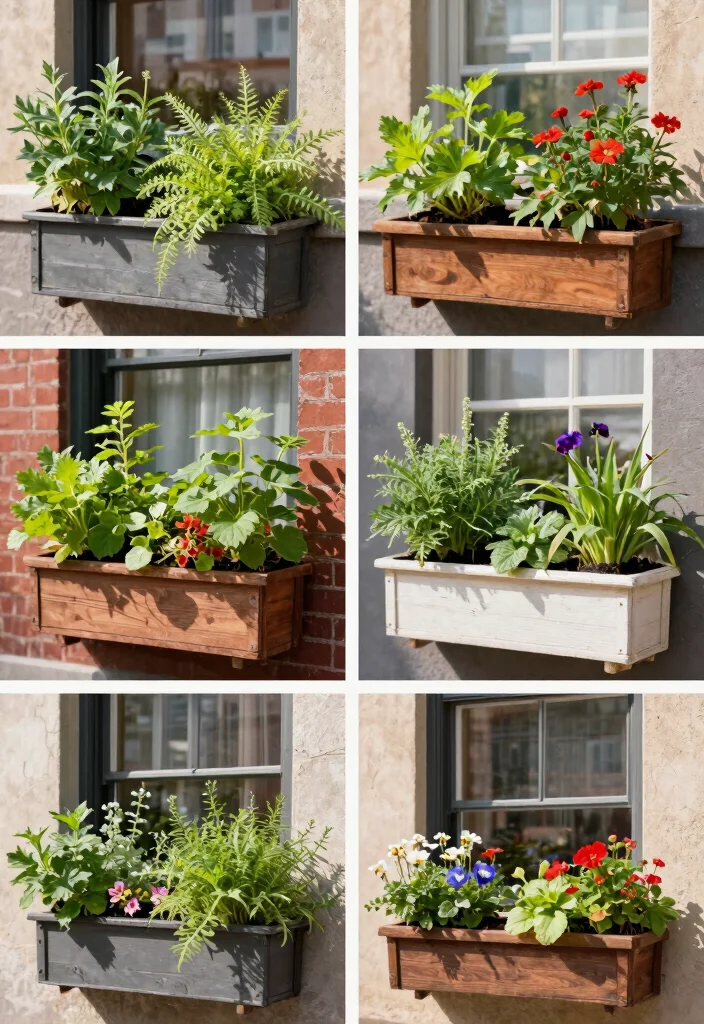
With these 21 bright and vibrant spring window box ideas, you can easily incorporate herbs into your urban gardening journey.
From creative designs to practical tips, each idea encourages you to personalize your space while nurturing your culinary spirit.
So, whether you’re a seasoned gardener or just starting, let these inspirations guide you in creating your own herb-filled oasis right at your window.
Note: We aim to provide accurate product links, but some may occasionally expire or become unavailable. If this happens, please search directly on Amazon for the product or a suitable alternative.
This post contains Amazon affiliate links, meaning we may earn a small commission if you purchase through our links, at no extra cost to you.
Frequently Asked Questions
What are the best herbs to grow in a spring window box for urban gardening?
For a true spring window box inspiration, pick compact, sun-loving herbs: basil, parsley, thyme, oregano, chives, and cilantro. Mint can be included but in its own small pot to prevent spreading.
Use a light, fast-draining potting mix and ensure containers have drainage holes. Space plants about 6-8 inches apart in a 12–16 inch long box, with taller herbs toward the back and trailing varieties toward the front for a balanced flower arrangement design. Water regularly so the soil stays evenly moist but not waterlogged, and fertilize once a month with a balanced solution during spring growth. This combination makes a practical urban window box that tastes great and looks bright for spring gardening tips.
How can I design a compact window box on a balcony to maximize spring color and yield?
Start with a 24- to 36-inch window box that fits your space. Place herbs in the back and use flowering edibles in front to add color and fragrance. Choose sun lovers like oregano, basil, thyme plus trailing flowers such as calibrachoa or lobelia for spillover. Use a high quality potting mix with good drainage and shallow roots. Water in the morning and avoid overwatering; check soil moisture daily in warm weather. Use a lightweight mulch to retain moisture. For spring window box inspiration think in layers: height, mid-height herbs, and trailing blooms to create a lush, city-friendly display.
What are spring gardening tips for container herb window boxes?
Here are practical tips for spring container gardening:
1) Most herbs love sun in spring, aim for full sun. 2) Use a nutrient-rich, well-draining mix. 3) Water when the top inch is dry, not on a strict schedule. 4) Fertilize every 4–6 weeks with a balanced fertilizer. 5) Prune regularly to keep herbs bushy and productive. 6) Rotate herbs and flowers to reduce disease and keep fresh growth. 7) Watch for pests and use natural controls early. For urban settings, pick compact varieties and ensure good drainage; this approach aligns with spring gardening tips for success.
Which plant pairings work well in a spring window box for color and fragrance?
Mix edible herbs with flowering ornamentals that thrive in containers. Try pairing basil or thyme with lavender, nasturtium, or calibrachoa for color and scent. Place tall herbs at the back, mid-height flowers in the middle, and trailing plants at the front to create a balanced flower arrangement designs look. Use color-conscious combinations to keep the window box lively through spring while staying practical for urban gardeners.
How do I choose the right seasonal plants for an urban spring window box and ensure they thrive?
Start by checking your local last frost date and climate. Pick hardy herbs such as oregano, thyme, and parsley plus early blooming flowers that tolerate cool nights. Favor plants that perform well in containers and sun exposure. Ensure you use seasonal plant selection aligned with your window’s sun, wind, and shade patterns, and prepare the soil with compost for nutrition. Plant arrangement should be layered: taller back, mid-sized, trailing front for a full look. Water consistently, avoid waterlogging, and refresh with new herbs or flowers mid-season for a thriving urban spring window box.

![15 Best Spring Window Box Planting Ideas [Early Blooms]](https://snugfelt.com/wp-content/uploads/2026/04/15-Best-Spring-Window-Box-Planting-Ideas-Early-Blooms-150x150.webp)