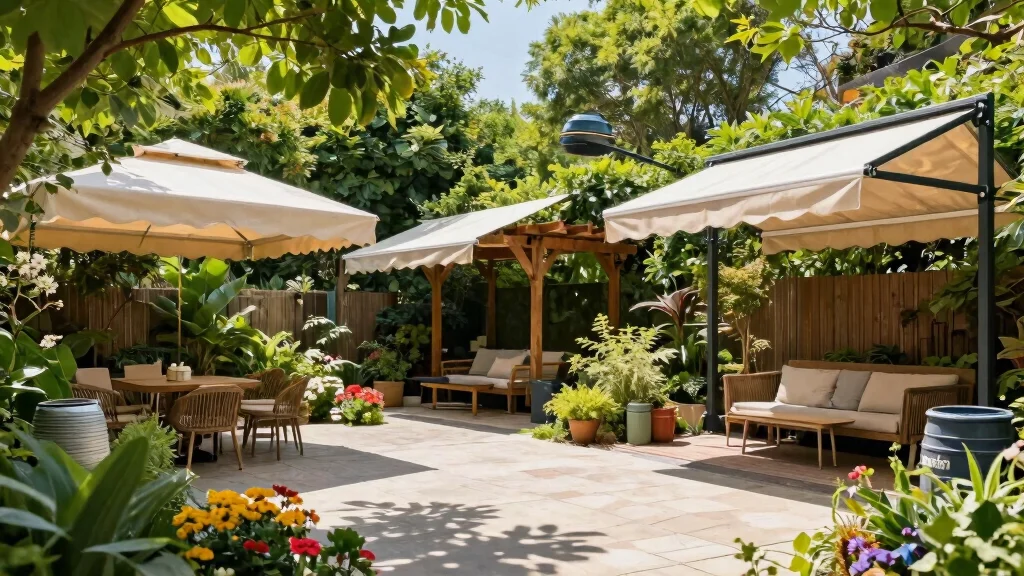
When it comes to creating a garden oasis, your choice of awning styles can make all the difference. With the changing seasons and varying sunlight, having the right awnings can elevate your gardening experience tremendously. I made this post because I know how overwhelming it can be to sift through options. Whether you’re trying to find the perfect shade solution for your patio or looking for a stylish way to enhance your outdoor living spaces, this guide has you covered.
If you’re a homeowner passionate about sustainable gardening, this is for you. You’ll appreciate how the right awning can not only beautify your space but also contribute to a more eco-friendly lifestyle. I’ve compiled a list of 15 popular awning styles that are versatile, practical, and perfect for any gardening situation. Each option will help you create a welcoming atmosphere while protecting your plants from harsh weather.
In this post, you’ll learn about everything from retractable awnings providing flexibility to fixed options that offer reliable shade. You’ll discover how different styles can enhance your gardening spaces and serve as effective garden shade solutions. Get ready to transform your outdoor area into a haven that reflects your commitment to sustainability and style!
Key Takeaways
– Diverse Styles: Explore 15 different awning styles that cater to various gardening needs and aesthetic preferences.
– Eco-Friendly Choices: Many awning options focus on sustainability, making them great for environmentally conscious homeowners.
– Functional Benefits: Understand how awnings can not only provide shade but also protect your plants and enhance your outdoor living spaces.
– Versatile Applications: Learn about different uses for awnings, from patios to windows and beyond, ensuring you find the right fit for your garden.
– Stylish Enhancements: Discover how the right awning can add a stylish touch to your outdoor areas while serving practical purposes.
1. Retractable Awnings for Versatile Gardening
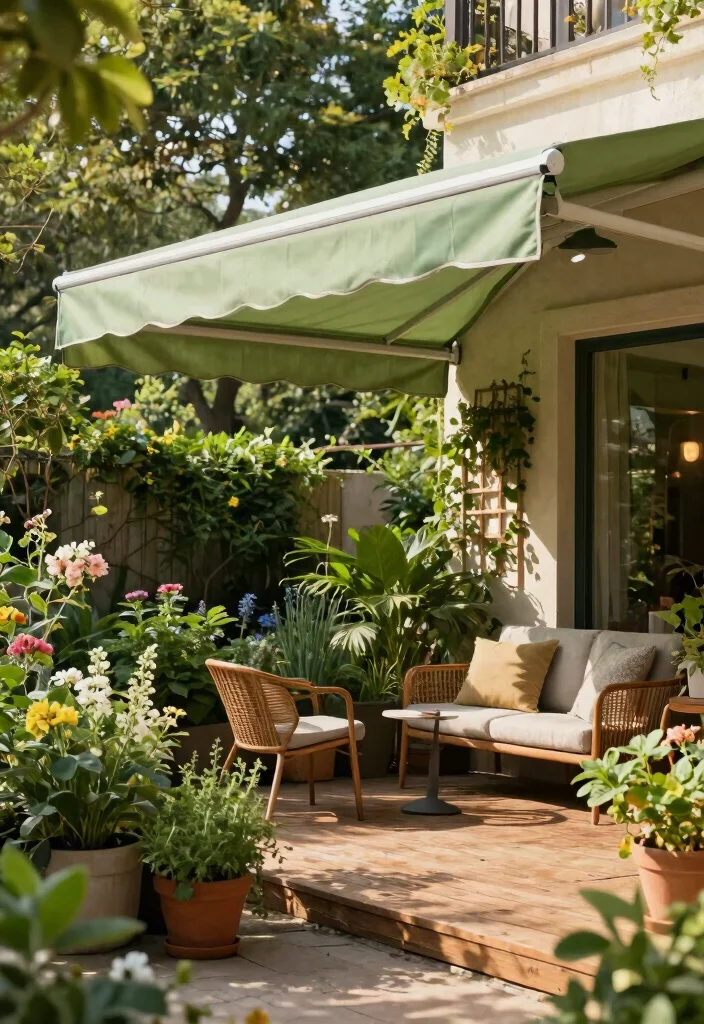
Retractable awnings offer a beautiful way to enhance your outdoor spaces, allowing you to enjoy shade when needed while soaking up the sun at other times. This adaptability makes them ideal for gardens that experience varying weather throughout the day. Imagine having an awning that extends effortlessly to shield your favorite seating area from the sun or retracts to let in warm rays during cooler moments. Materials like weather-resistant fabrics in soft hues can beautifully complement your garden’s natural palette.
When choosing retractable awnings, look for eco-friendly options that block UV rays while remaining durable. Consider modern motorized models powered by solar panels, making operation a breeze without relying on electricity.
Here are some key tips for maximizing their benefits:
– Pair eco-friendly fabrics with a sturdy metal frame.
– Install them over patios or decks for versatile shade.
– Use remote-controlled options for effortless adjustments.
By incorporating retractable awnings, you not only enhance the aesthetics of your garden but also create a practical space that adapts to your lifestyle.
2. Fabric Canopy Awnings for Soft Elegance
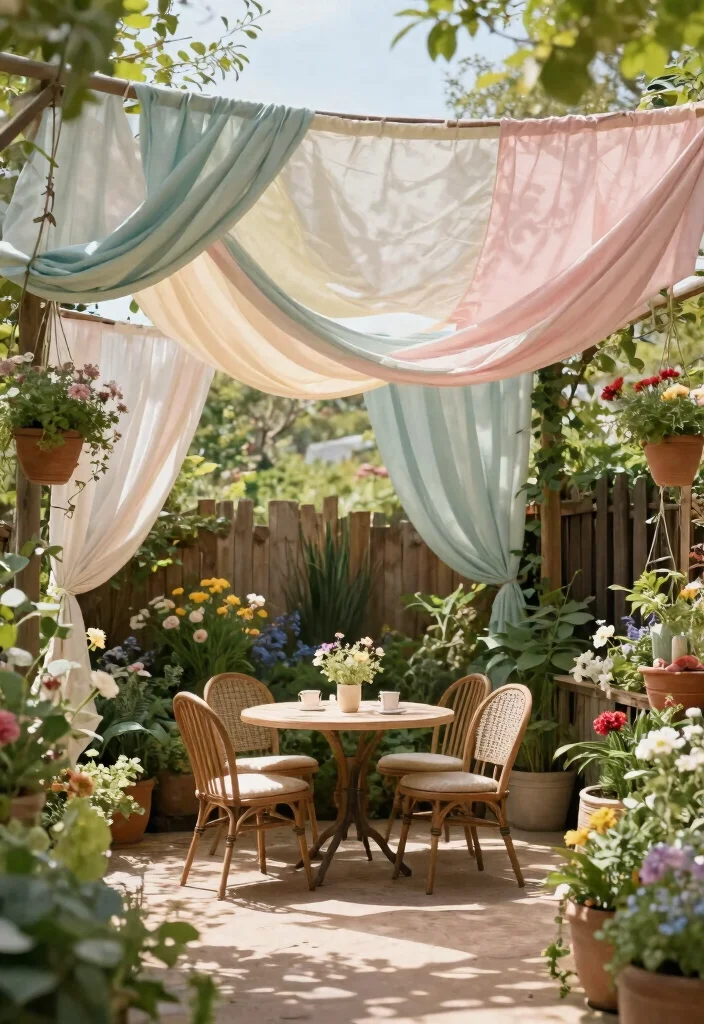
For a touch of softness and elegance, fabric canopy awnings can transform your outdoor area into a serene escape. These awnings provide inviting shade while adding personality to your patio or garden with a variety of colors and patterns. They blend seamlessly into floral settings, creating a tranquil atmosphere perfect for relaxation. Imagine a canopy adorned with delicate floral prints that dances in the breeze, enhancing the beauty of your outdoor space.
When implementing fabric canopies, consider lightweight, breathable materials that are also recyclable, supporting your eco-friendly values. Their versatility allows them to be used in various settings, from elegant garden parties to cozy family gatherings.
Explore these insights for effective use:
– Install them over pergolas for added dimension.
– Use vibrant patterns to make a bold statement.
– Set them up seasonally for flexibility in use.
These awnings offer both functionality and style, enhancing your outdoor areas while being mindful of the environment.
3. Lattice Awnings for Vertical Garden Spaces
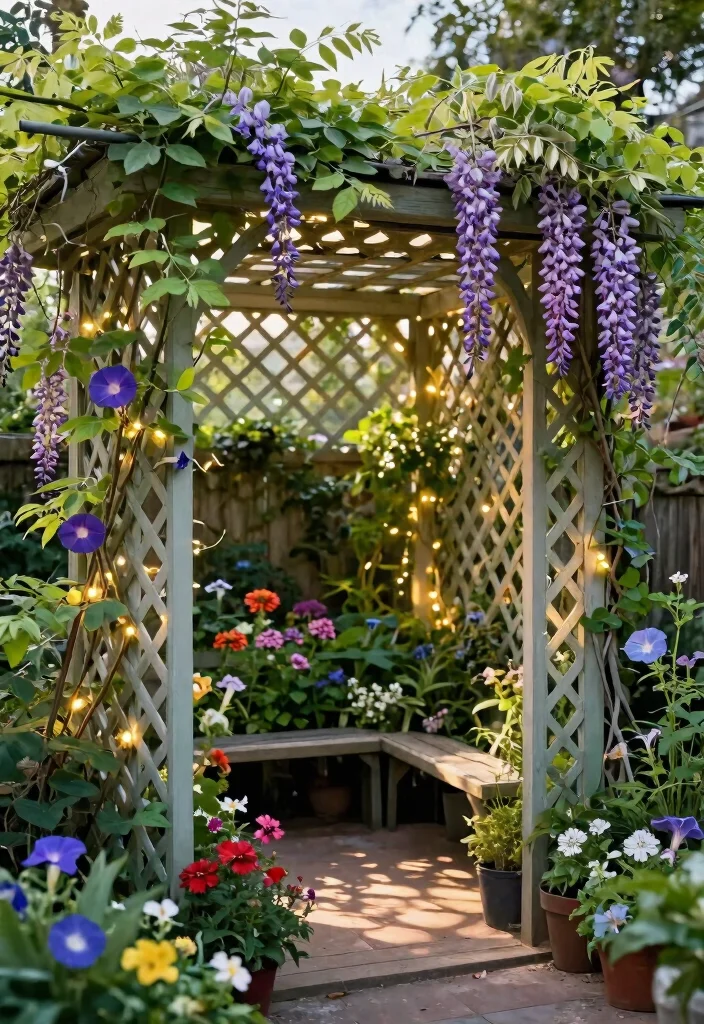
Lattice awnings are a fantastic option for creating shaded vertical spaces that nurture climbing plants and vines. These open structures not only provide shade but also promote airflow, making them perfect for hot summer days. Picture a trellis adorned with vibrant flowers, transforming an ordinary wall into a lush green retreat. Utilizing sustainable materials like reclaimed wood adds to the earthy aesthetic while reinforcing your commitment to the environment.
Integrating lattice awnings into your garden design supports a sustainable approach, allowing you to cultivate a thriving green space. They can be designed to fit seamlessly into your landscape, providing both beauty and function.
Consider these tips for optimal use:
– Select fast-growing climbers like jasmine for added beauty.
– Vary the lattice structure to enhance visual interest.
– Ensure stable installation to support plant growth.
Lattice awnings not only beautify your garden but also create a microclimate that supports your plant life.
“Did you know lattice awnings can boost shade by 40% and boost air circulation around vertical gardens? Use reclaimed wood and plant climbers to maximize eco-friendly shade.”
4. Fixed Awnings for Permanent Solutions
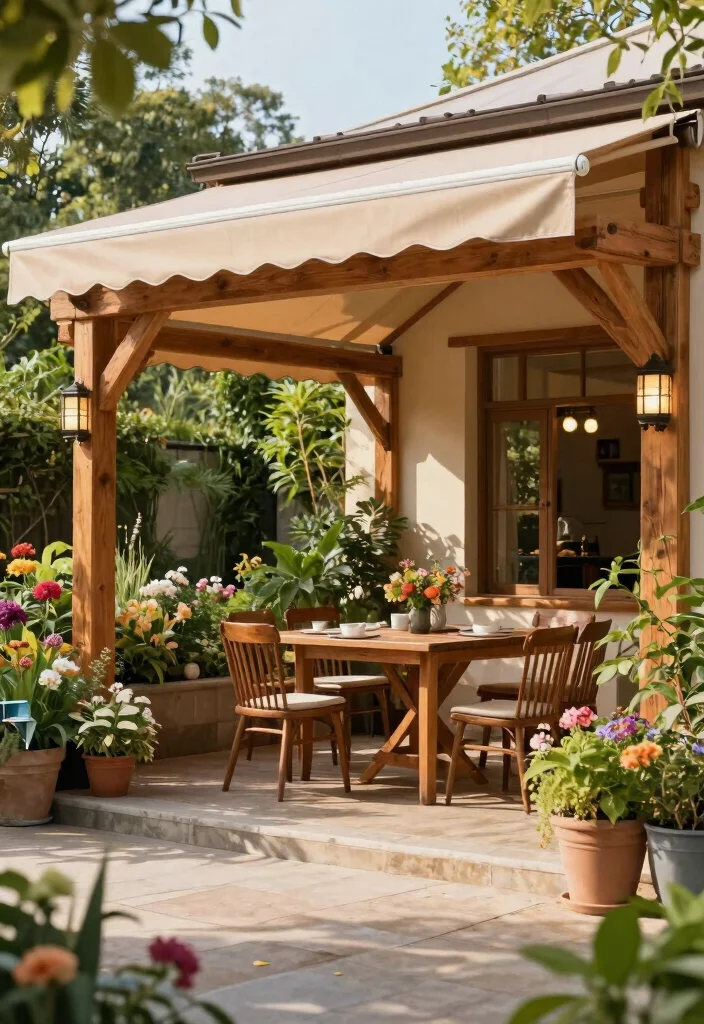
For a lasting solution, fixed awnings provide reliable shade and protection for your outdoor spaces throughout the year. These sturdy structures can be crafted from materials like metal or wood, ensuring durability and style. Imagine a beautifully designed fixed awning that serves as a focal point in your garden, inviting you to relax beneath its shelter. Incorporating features like integrated lighting can further enhance its charm and functionality.
When selecting fixed awnings, opt for weather-resistant materials that require minimal maintenance. Match the design with your home’s architecture to create a harmonious look that enhances your outdoor aesthetic.
Keep these considerations in mind:
– Choose a size that complements your space without overwhelming it.
– Ensure materials are durable for long-lasting performance.
– Incorporate design elements that reflect your style.
Fixed awnings not only elevate your outdoor experience but also provide essential shelter for your plants, creating a balanced garden environment.
Key Trade-offs & Our Top Pick
1. Retractable Awnings
– Pros:
✔ Offers flexibility; you can extend or retract as needed.
✔ Great for varying weather conditions and can protect plants from harsh sunlight.
✔ Available in a variety of styles and colors to match your home.
– Cons:
❌ More expensive upfront compared to fixed options.
❌ May require regular maintenance to ensure they function properly.
❌ Windy conditions can limit their usability.
– Best for: Homeowners wanting adaptable outdoor living spaces that can be enjoyed in different weather.
2. Fixed Awnings
– Pros:
✔ Provides constant shade, perfect for growing delicate plants.
✔ Durable and low-maintenance over time.
✔ Adds architectural elements to your home’s exterior.
– Cons:
❌ Limited flexibility; cannot be adjusted based on the intensity of sunlight.
❌ May block natural light inside your home.
❌ Installation can be complicated and usually requires professional help.
– Best for: People looking for permanent garden shade solutions or wanting to enhance their home’s appearance.
3. Fabric Canopy Awnings
– Pros:
✔ Softens the look of outdoor spaces, creating a cozy environment.
✔ Often made from eco-friendly materials, suitable for sustainable gardening.
✔ Variety of colors and patterns to match your garden style.
– Cons:
❌ Fabric can wear out or fade over time.
❌ Not as durable as metal options against harsh weather.
❌ Requires regular cleaning and maintenance.
– Best for: Those who prioritize aesthetics and comfort in their outdoor spaces.
4. Shade Sails
– Pros:
✔ Stylish and modern option for contemporary gardens.
✔ Easy to install and can cover large areas.
✔ Provides effective UV protection for plants and people.
– Cons:
❌ May require more maintenance to stay clean and in good condition.
❌ Not suitable for all weather conditions, especially strong winds.
❌ Installation requires proper tensioning to avoid sagging.
– Best for: Homeowners looking for a trendy and flexible shading solution for larger garden areas.
5. Green Roof Awnings
– Pros:
✔ Environmentally friendly, promotes biodiversity.
✔ Helps insulate your home, reducing energy costs.
✔ Provides natural beauty and a habitat for local wildlife.
– Cons:
❌ Can be costly to install and maintain.
❌ Requires careful planning and design to ensure stability.
❌ Not suitable for all home structures.
– Best for: Eco-conscious gardeners wanting to blend aesthetics with functionality.
Expert Recommendation:
Best Overall: Retractable Awnings
Retractable awnings stand out as the best choice for most homeowners. They offer a great balance of versatility and ease of use, allowing you to adapt your outdoor space based on the weather. While the initial investment may be higher, their long-term durability and ability to enhance your outdoor living spaces make them worth it. They can provide shade when you need it and retract when you don’t, ensuring a pleasant gardening experience throughout the year.
Why We Picked This:
Retractable awnings are ideal for homeowners looking for flexibility and a chic look. However, if you’re on a tighter budget, fixed awnings might be more suitable for a permanent solution. If style is your priority, consider fabric canopy awnings or shade sails. Each option has its strengths, so think about what fits your gardening lifestyle best!
5. Green Roof Awnings for Eco-Friendly Appeal
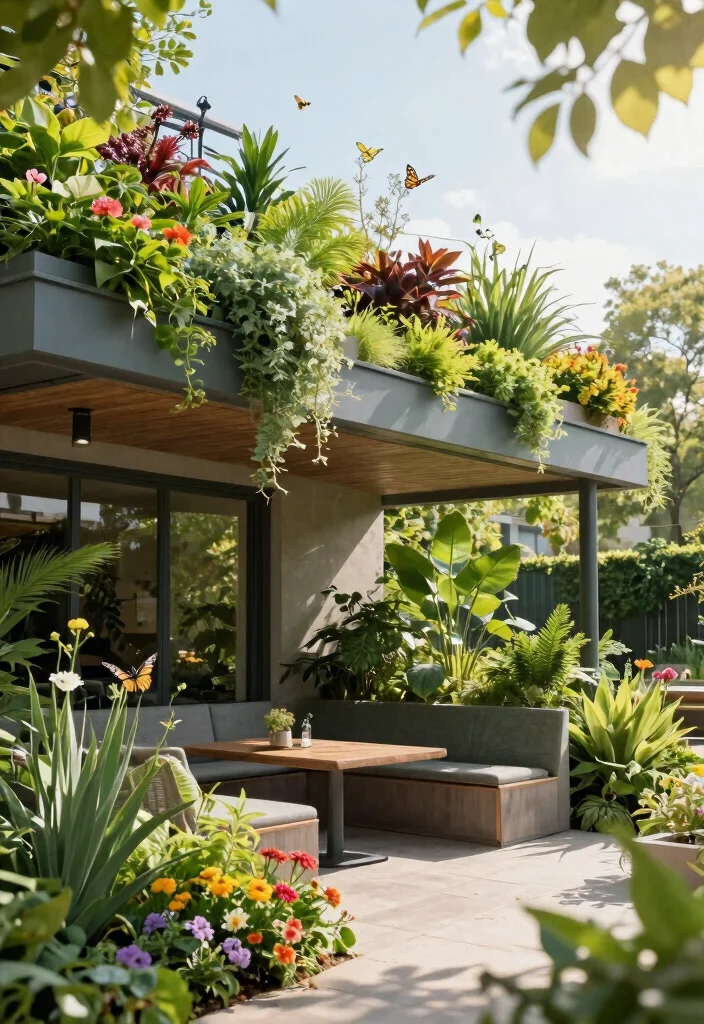
Green roof awnings present a unique way to merge sustainability with beauty in your outdoor spaces. Covered with vegetation, these awnings provide natural insulation and improve air quality while enhancing biodiversity. Picture a stunning green awning that protects your plants from harsh weather and adds an architectural feature to your garden. This design not only looks appealing but also promotes a healthy ecosystem.
When selecting plants for green roof awnings, choose hardy varieties that require minimal maintenance, such as sedums or wildflowers. Ensure proper drainage and lightweight soil to support plant growth effectively.
Here are some essential aspects to consider:
– Design for sustainability and aesthetics.
– Consult professionals for optimal installation.
– Incorporate native plants to boost local biodiversity.
Green roof awnings create an inviting atmosphere while emphasizing eco-friendliness, making them a standout feature in your garden.
Fun fact: A green roof awning can lower energy bills by up to 25% in hot months, while boosting biodiversity. Build it with drought-tolerant plants and local soil—the perfect practical upgrade for eco-conscious gardens.
6. Shade Sails for Contemporary Style
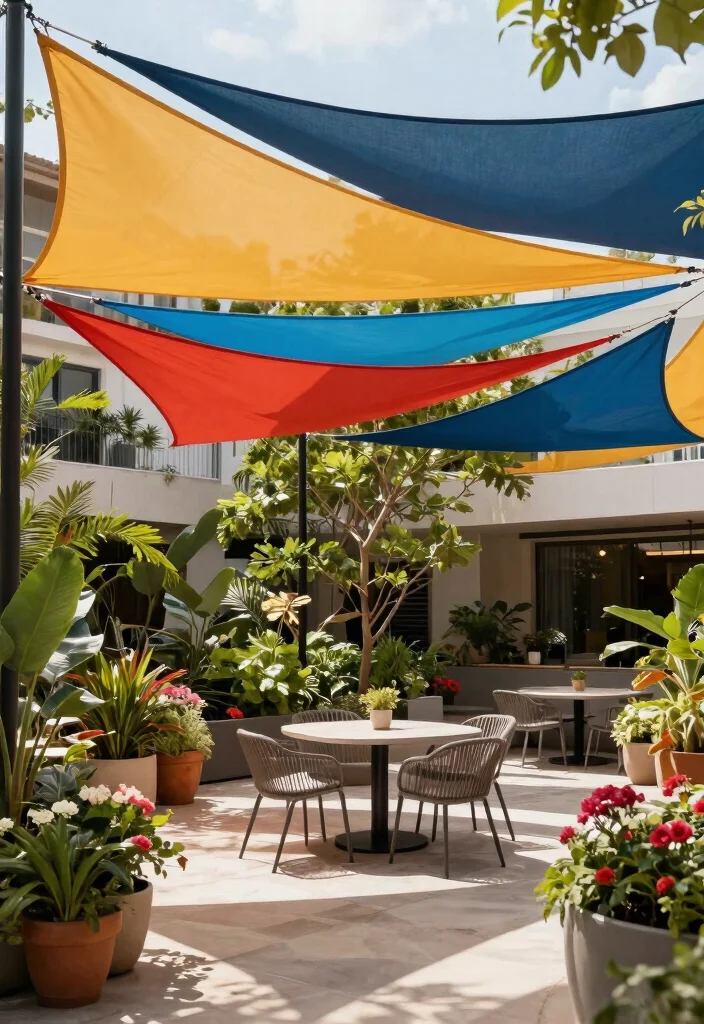
Shade sails offer a modern, stylish way to protect your outdoor spaces from the sun. These uniquely shaped fabric panels can be adjusted throughout the day to provide optimal shade, making them perfect for various settings. Visualize a colorful sail suspended over your patio, creating a playful yet functional atmosphere. They come in numerous colors and designs, allowing you to express your personality through your garden’s aesthetic.
Shade sails can be used over seating areas or open spaces for growing plants, enhancing the eco-friendly aspect of your garden. When implementing shade sails, consider their design and installation to ensure they withstand wind and weather.
Keep these factors in mind:
– Ensure proper tensioning for durability.
– Overlap sails for dynamic shade patterns.
– Choose UV-resistant fabrics for longevity.
Incorporating shade sails not only elevates your outdoor style but also provides essential protection for your living spaces.
7. Pergola Awnings for Style and Structure
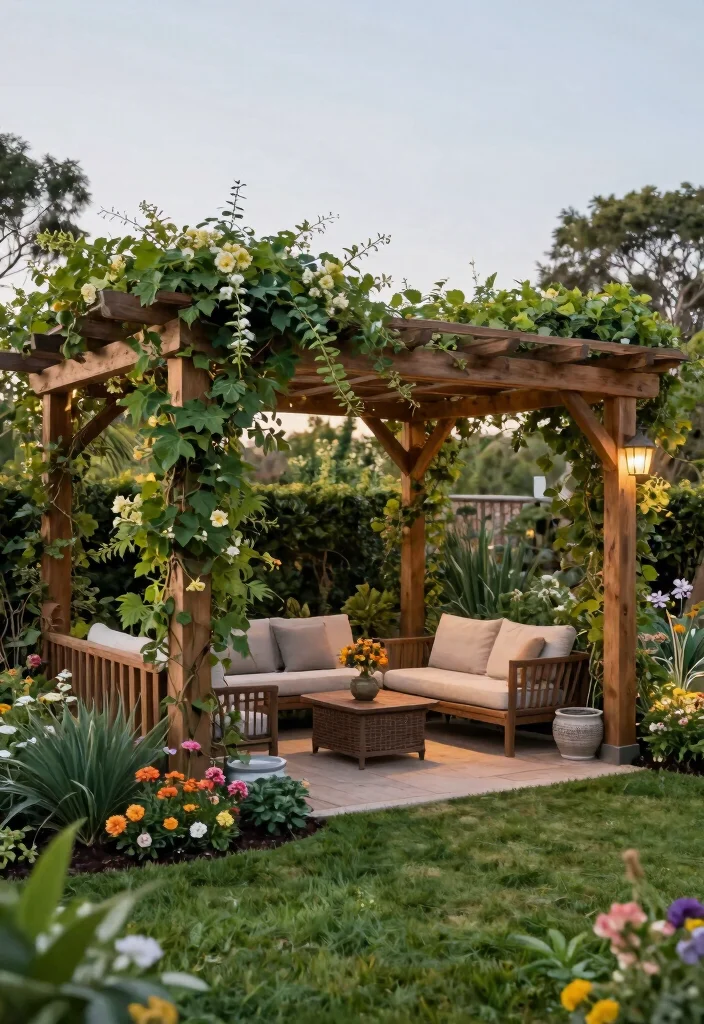
Pergolas are timeless structures that bring character and charm to any garden. These open-roofed designs are perfect for climbing plants, creating a natural canopy that provides shade over time. Envision a beautifully crafted pergola enveloped in lush vines, serving as a stunning focal point in your landscape. Adding an awning to a pergola can create a cozy dining or relaxation area, enhancing its functionality.
When designing pergola awnings, consider sustainable materials like reclaimed wood for an eco-conscious approach. Select native vines that thrive in your climate for added beauty and sustainability.
Here are some insights for creating the perfect pergola awning:
– Incorporate string lights for evening ambiance.
– Design to ensure a balance of shade and sunlight.
– Use natural materials to enhance the overall aesthetic.
Pergola awnings beautifully merge style with practicality, making them an ideal addition to your outdoor living spaces.
8. Retractable Window Awnings for Energy Efficiency
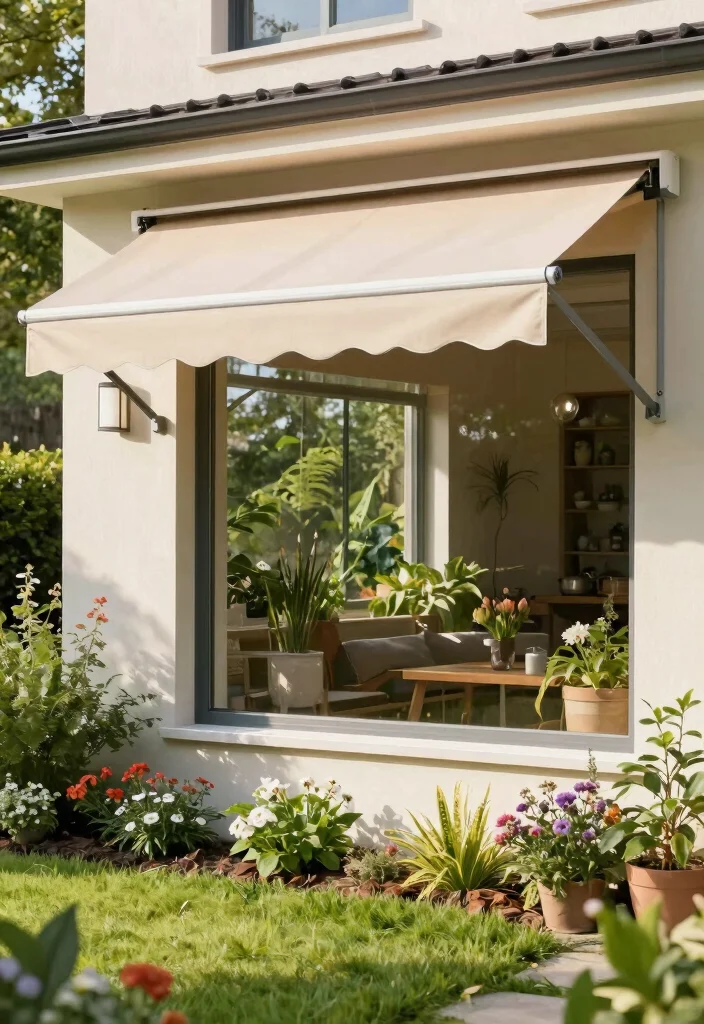
Retractable window awnings serve a dual purpose by providing shade for your indoor spaces while enhancing energy efficiency in your home. By blocking direct sunlight, they help keep interiors cooler, which can reduce air conditioning costs during hot months. Imagine a sleek awning that not only protects your windows but also complements your home’s architecture seamlessly. Eco-friendly options made from recycled materials further promote sustainability.
When considering retractable window awnings, look for motorized options that can be controlled remotely or automatically based on sunlight. Choose colors and patterns that harmonize with your home’s exterior for a cohesive look.
Important features to consider:
– Proper installation for longevity and functionality.
– Durable materials that withstand the elements.
– Flexible designs that adapt to changing seasons.
Retractable window awnings are an excellent choice for homeowners seeking to enhance their indoor comfort while being energy efficient.
9. Curved Awnings for a Unique Touch
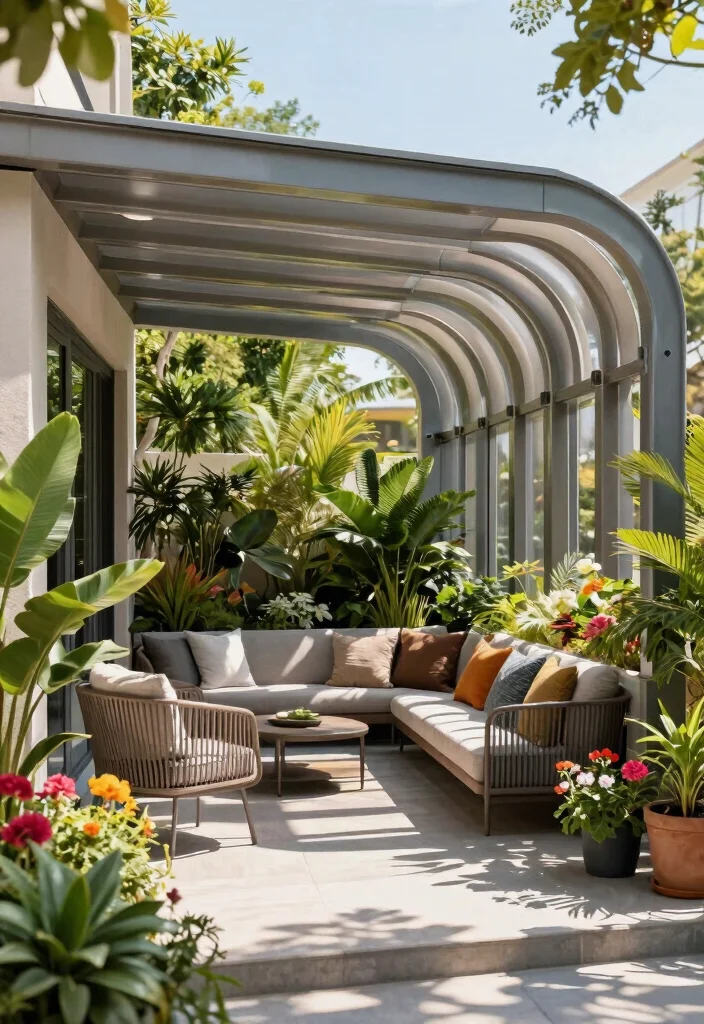
Curved awnings provide a modern and stylish alternative to traditional designs, introducing an artistic flair to your outdoor space. With their sleek curves, these awnings not only look stunning but also effectively manage rainwater, directing it away from your home. Imagine a beautifully curved awning that enhances the design of your space while providing necessary shade. These can be crafted from various materials, including fabric and metal, allowing for versatility.
When implementing curved awnings, ensure that the design complements your home’s existing architecture for a cohesive appearance. Opt for eco-friendly, durable materials to promote sustainability in your outdoor living areas.
Keep these factors in mind:
– Professional installation ensures stability and functionality.
– Select colors that match your overall design theme.
– Consider the awning’s water management capabilities.
Curved awnings can become a striking feature that enhances the charm of your outdoor living space.
10. Balcony Awnings for Urban Gardens
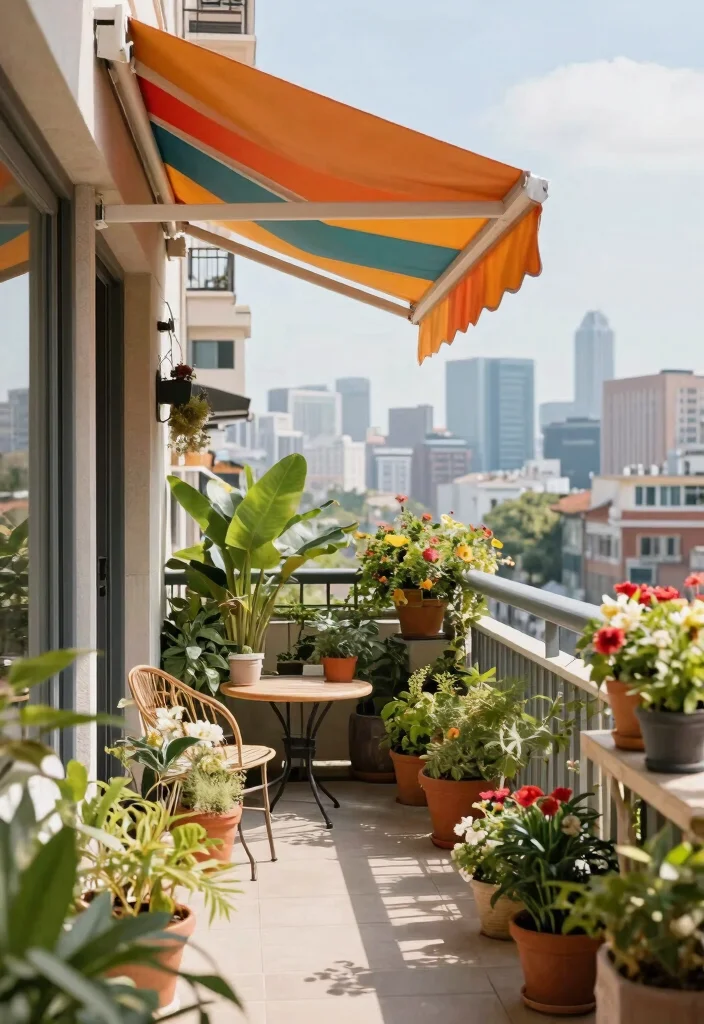
For urban dwellers, balcony awnings can transform compact spaces into delightful retreats. These awnings offer essential shade while creating a cozy atmosphere, perfect for relaxation or gardening. Imagine stepping onto your balcony to enjoy a shaded sanctuary surrounded by plants, making city living more enjoyable. Various styles and materials fit any balcony design, from modern to classic.
Utilizing balcony awnings supports sustainable gardening by allowing you to effectively grow plants in urban settings. They also protect your plants from harsh sunlight and rain, enhancing their growth.
Consider these tips for successful implementation:
– Measure your balcony to choose the right size awning.
– Opt for lightweight, eco-friendly fabrics for easy maintenance.
– Select a design that complements your building’s aesthetic.
Balcony awnings not only elevate your gardening experience but also add elegance to your urban living spaces.
11. Motorized Awnings for Ultimate Convenience
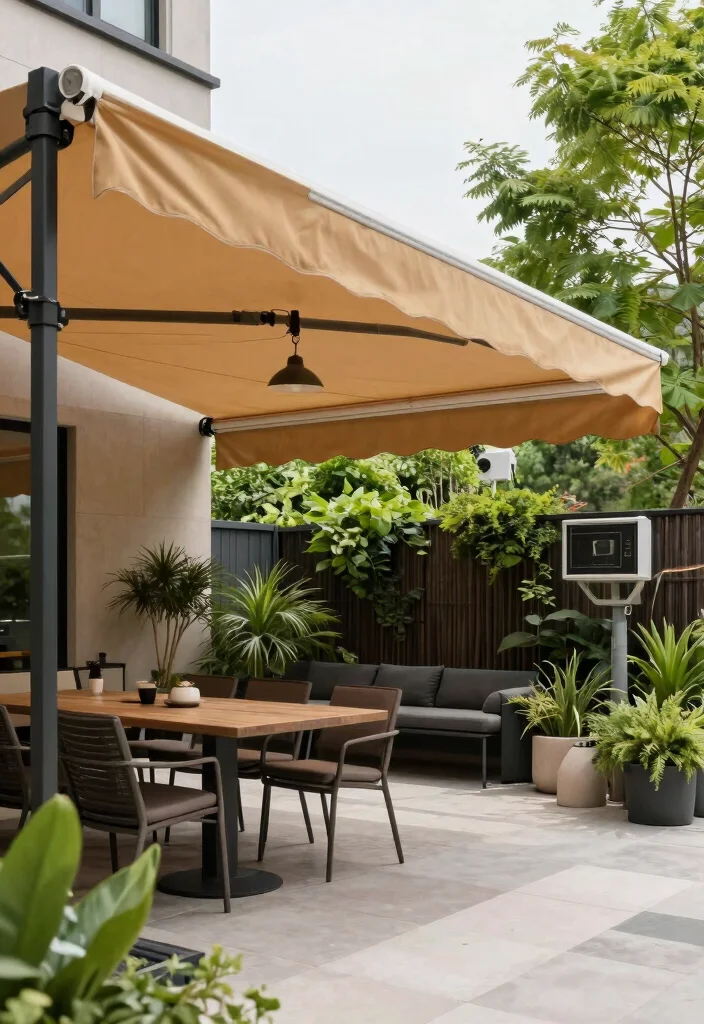
Motorized awnings blend convenience with modern technology, providing an appealing option for busy homeowners. With just a push of a button, you can easily extend or retract your awning, adapting to changing weather conditions effortlessly. Imagine having an awning that automatically provides shade from sudden rain, enhancing your outdoor enjoyment. Many motorized options are equipped with smart features, allowing control via smartphone apps for added comfort.
When considering motorized awnings, look for solar-powered options that support eco-friendliness. Ensure the design matches your outdoor living spaces for a cohesive look.
Keep these points in mind:
– Professional installation is recommended for safety and effectiveness.
– Select durable fabrics to withstand the elements.
– Choose designs that enhance your outdoor aesthetic.
Motorized awnings provide functional solutions for enhancing your outdoor experience while emphasizing sustainability.
12. Bamboo Awnings for Natural Beauty
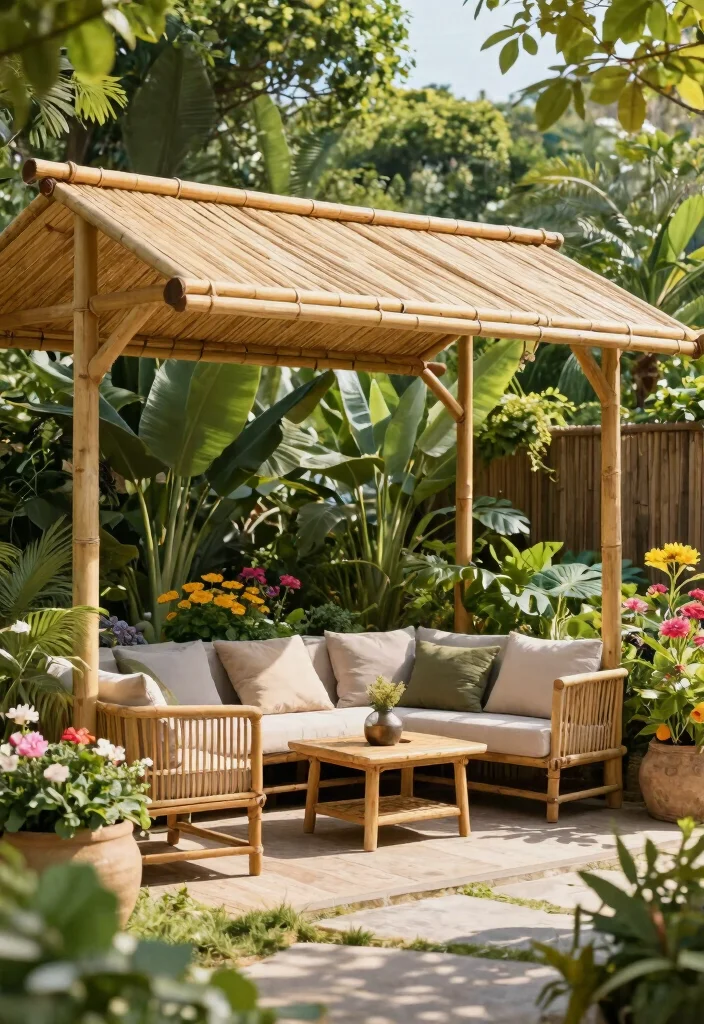
Bamboo awnings provide an eco-friendly choice that brings unique natural beauty to any garden. Crafted from bamboo stalks, these awnings offer shade while adding rustic charm to your outdoor spaces. Imagine a bamboo awning over your patio, blending seamlessly with the greenery around it. Known for sustainability, bamboo is a fast-growing material that enhances your commitment to the environment.
Incorporating bamboo awnings creates a traditional yet modern look that complements various garden styles. They can be designed to fit over patios, balconies, or windows, adding character to your outdoor environment.
Consider these aspects:
– Bamboo requires minimal resources for cultivation.
– Customizable designs match your garden’s aesthetic.
– Regular treatment maintains its natural beauty and longevity.
Bamboo awnings effectively combine functionality with style, enriching your outdoor living experience.
13. Eco-Friendly Metal Awnings for Durability
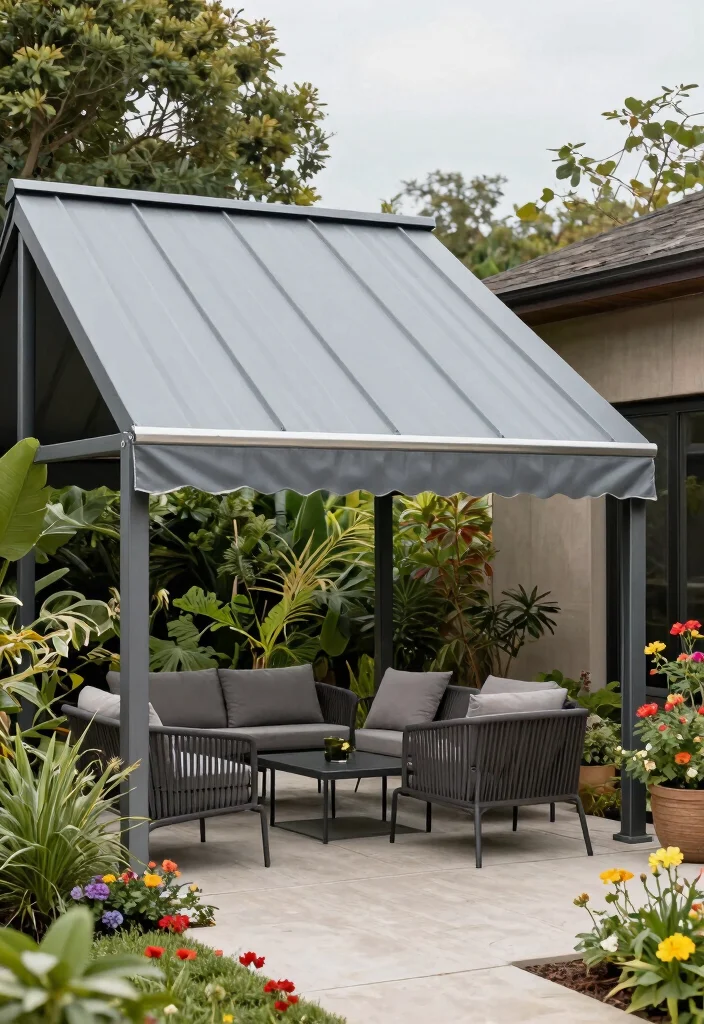
Metal awnings are recognized for their durability and long lifespan, with eco-friendly options now available that incorporate recycled materials. These awnings withstand various weather conditions while providing effective shade for your garden. Picture a sleek metal awning that adds a modern touch to your outdoor space while being low maintenance. They are especially suitable for larger areas, offering substantial coverage without compromising on style.
When selecting metal awnings, prioritize options made from recycled metals to enhance sustainability. Choose a design that complements your home and garden layout for a cohesive appearance.
Key considerations include:
– Ensure a sturdy installation to endure harsh weather.
– Select colors that harmonize with your landscape.
– Look for low-maintenance finishes for convenience.
Metal awnings are both practical and stylish, proving that durability can harmonize with aesthetic appeal.
14. Shade Trees as Natural Awnings
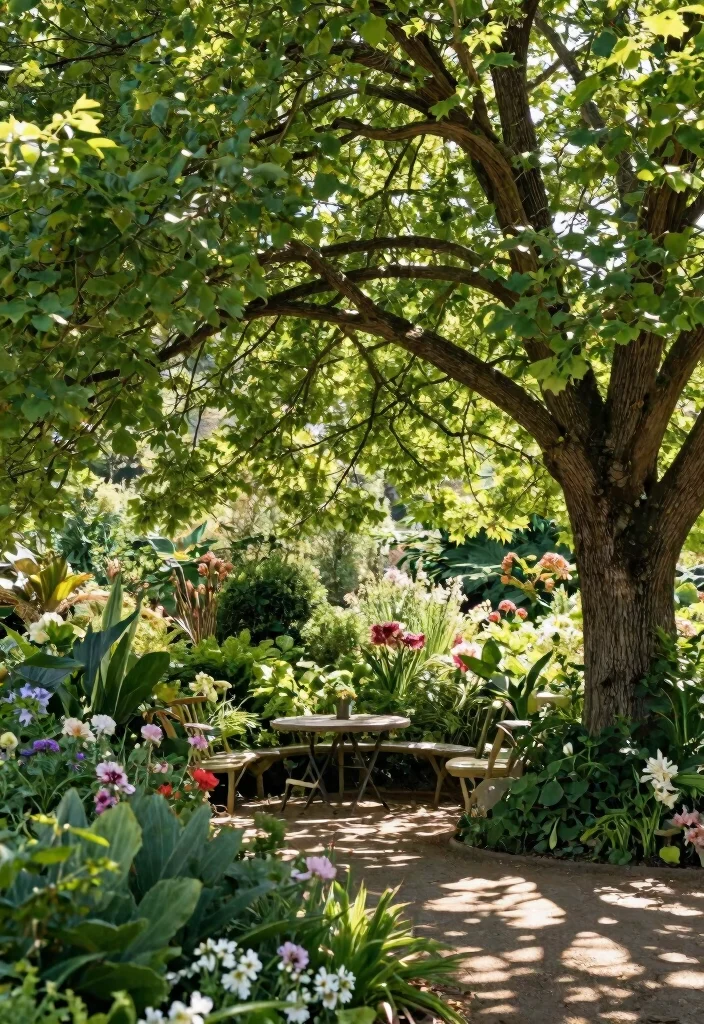
For an authentic eco-friendly approach, consider planting shade trees that serve as natural awnings in your garden. These trees provide significant shade coverage without relying on synthetic materials, enhancing the beauty of your outdoor spaces. Imagine a majestic tree casting cool shadows over a garden, improving air quality and biodiversity. Native species tend to thrive best, supporting local wildlife and creating a thriving ecosystem.
When selecting shade trees, think about their growth patterns and root systems to ensure they fit well into your garden layout. Plant them strategically to maximize shade while still allowing sunlight to nourish other plants.
Important points for shade trees include:
– Long-term care considerations as they mature.
– Combining different species for varied shade and visual interest.
– Strategic placement to balance shade with sunlight needs.
Shade trees provide a timeless solution for outdoor living, offering numerous environmental benefits while enhancing your garden’s charm.
15. Multi-Functional Awnings for Versatile Spaces
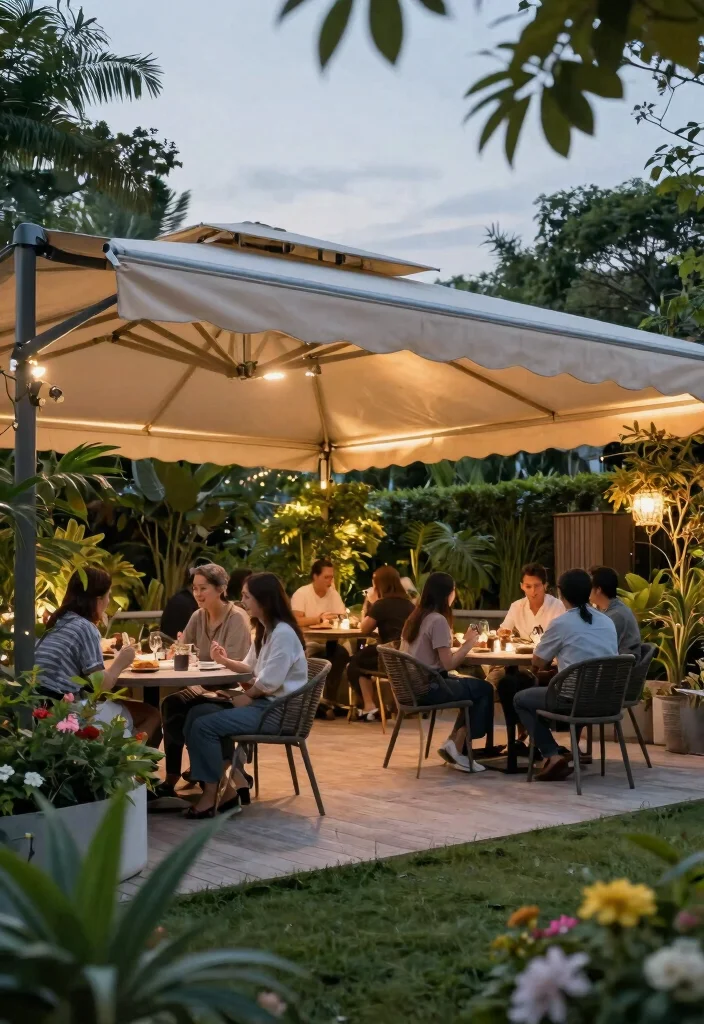
Multi-functional awnings blend various features to enhance your outdoor living experience. These designs can include retractable options that also serve as rain shelters or integrated lighting for evening gatherings. Imagine a versatile awning that adapts to your needs, maximizing your garden’s usability. By choosing a multi-functional design, you can make the most of your outdoor spaces regardless of the occasion.
When selecting multi-functional awnings, consider eco-friendly materials and smart technology to optimize both function and style. Think about designs that complement existing structures in your garden for a cohesive look.
Keep these aspects in mind:
– Flexibility to adapt to different weather conditions.
– Integration with your outdoor layout for harmony.
– Sustainability through renewable resources and energy efficiency.
These awnings offer practical solutions that elevate your outdoor living experience, making them perfect for eco-conscious gardeners.
Fun fact: Multi-functional awning styles with retractable options can cut outdoor lighting needs by up to 40% and extend usable space by 30%. This makes your garden a sustainable, flexible living area for every occasion.
Conclusion
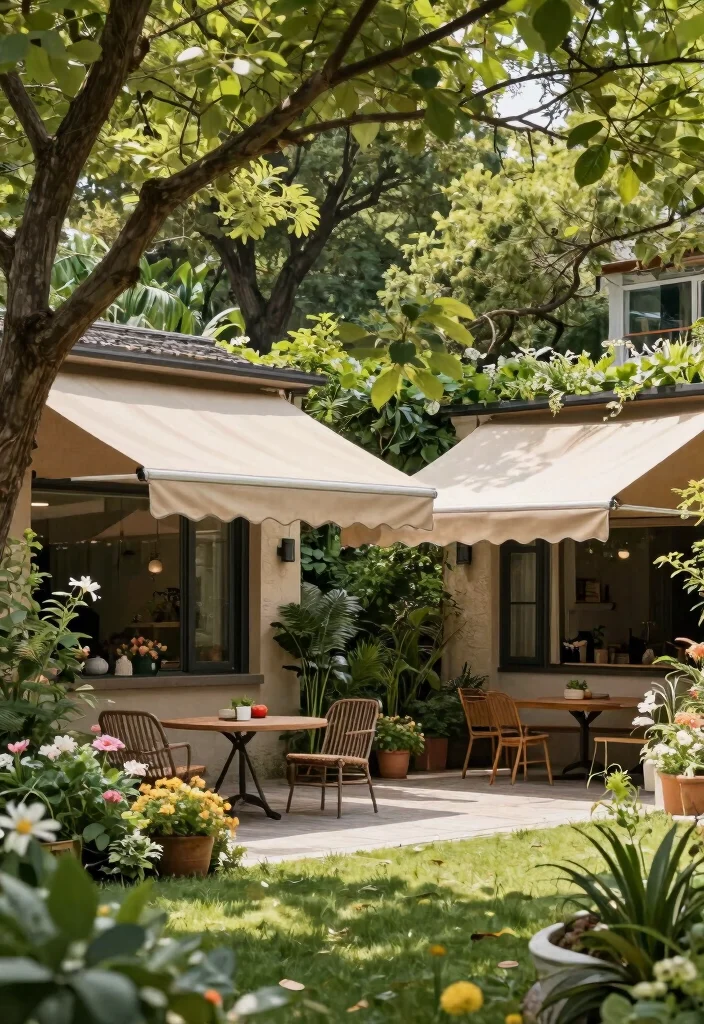
Awnings are more than just functional additions; they are essential elements that enhance the beauty of your garden while promoting sustainability. Each style offers unique benefits, allowing you to create an outdoor haven that reflects your values and aesthetic preferences.
As you explore these diverse awning styles, consider how they can contribute to your eco-friendly gardening efforts. Embrace the charm of these designs while protecting your plants and outdoor living spaces.
Note: We aim to provide accurate product links, but some may occasionally expire or become unavailable. If this happens, please search directly on Amazon for the product or a suitable alternative.
This post contains Amazon affiliate links, meaning we may earn a small commission if you purchase through our links, at no extra cost to you.
Frequently Asked Questions
What are the best eco-friendly awning styles for a sustainable garden?
For a sustainable garden, focus on awning styles that minimize environmental impact while maximizing shade. Look for patio awnings and retractable awnings with fabrics made from recycled or UV-stable materials, and frames in aluminum or responsibly sourced wood with durable finishes. Choose options that integrate with your garden’s garden shade solutions and allow you to extend or retract shade over outdoor living spaces as needed. Practical steps: measure sun paths, pick a projection that covers seating or planting beds, and prefer products with long warranties and energy-saving features.
How can patio awnings and retractable awnings help expand outdoor living spaces while saving energy?
Patio awnings and retractable awnings turn your yard into a usable room by providing adjustable shade over seating, grills, and plantings. When extended during hot sun, they reduce heat entering indoor spaces through windows, cutting cooling needs. In cooler months, retractable options let sun through to warm hardscapes. Practical steps: choose a size that covers your seating area, pick a weather-resistant fabric with high UPF, and consider motorized or manual operation for easy use.
What should I consider when choosing window awnings for plant protection and energy efficiency?
Window awnings shield plants and interiors from harsh sun, improving energy efficiency and plant health. Look for window awnings with UV-blocking fabrics and durable frames, an adjustable angle for seasonal sun angles, and proper clearance for vines or shrubs. Consider color and reflectivity to reflect heat while still letting light in. Key factors: size, projection, wind rating, and ease of maintenance.
How do I maintain eco-friendly garden shade solutions to last longer?
Keep your eco-friendly garden shade solutions looking great with simple care: regular gentle cleaning with mild soap, avoid harsh chemicals, inspect frames for corrosion and lubricate moving parts, protect fabrics from mildew, store retractables during heavy storms if feasible, and choose shade solutions powered by solar or manual operation to reduce energy use.
How can I design a cohesive set of awning styles to create a beautiful outdoor living space?
Start by picking a unifying aesthetic—color, material, and hardware that match your home and garden. Pair awning styles for a layered shade look: for example patio awnings over seating, window awnings for plant beds and windows, and retractable awnings to adapt to seasons. Use durable, eco-friendly materials and consider integrated lighting or fans to extend usability of your outdoor living spaces. A cohesive plan makes a sustainable retreat you’ll enjoy year-round.
![15 Best Spring Window Box Planting Ideas [Early Blooms]](https://snugfelt.com/wp-content/uploads/2026/04/15-Best-Spring-Window-Box-Planting-Ideas-Early-Blooms-150x150.webp)