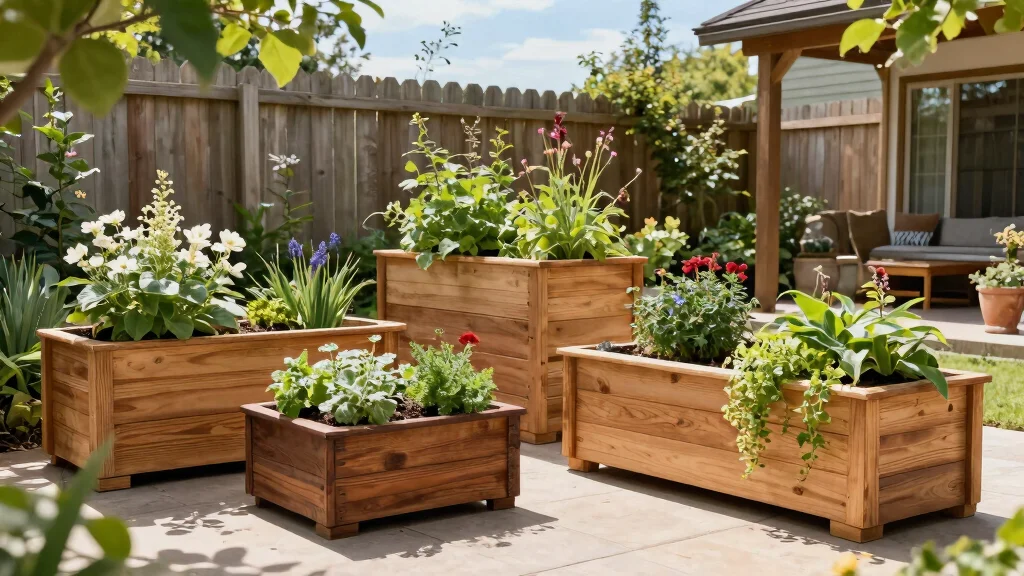
Creating an outdoor planter box is an exciting way to infuse your garden with life. With the right materials, your planter can thrive in any weather, adding beauty and functionality to your outdoor space. You might be asking yourself, what is the best wood for outdoor planter boxes? This question sparked my desire to share essential tips and insights on selecting the finest wood options available. Whether you’re a seasoned gardener or just dipping your toes into planting, I want to help you choose the perfect materials for your planter boxes.
If you’re passionate about gardening and want to create sustainable, eye-catching planters, this guide is just for you. You’ll discover valuable tips on durable wood options that not only look great but also stand the test of time against the elements. From traditional choices like cedar and redwood to innovative materials like thermally modified wood and reclaimed timber, I’ve pulled together seven key insights to ensure your outdoor planter boxes are both beautiful and practical.
By the end of this post, you’ll have a clear understanding of the best wood for outdoor planter boxes and the benefits of each option. You’ll feel confident choosing the right materials that align with your gardening goals and environmental values. Let’s dig into these tips and help your garden flourish!
Key Takeaways
– When selecting wood for outdoor planter boxes, consider options like cedar, redwood, and reclaimed wood for their natural durability and resistance to rot.
– Reclaimed wood is an excellent eco-friendly choice, reducing waste and giving your planters a unique character.
– Pressure-treated lumber is a reliable option, but be aware of the chemicals it may contain that could affect your plants.
– Thermally modified wood offers a new way to enhance durability without chemicals, making it a safe choice for gardening.
– Don’t overlook materials like bamboo or aluminum for a modern touch that’s still weather-resistant and stylish.
1. Cedar: The Natural Choice
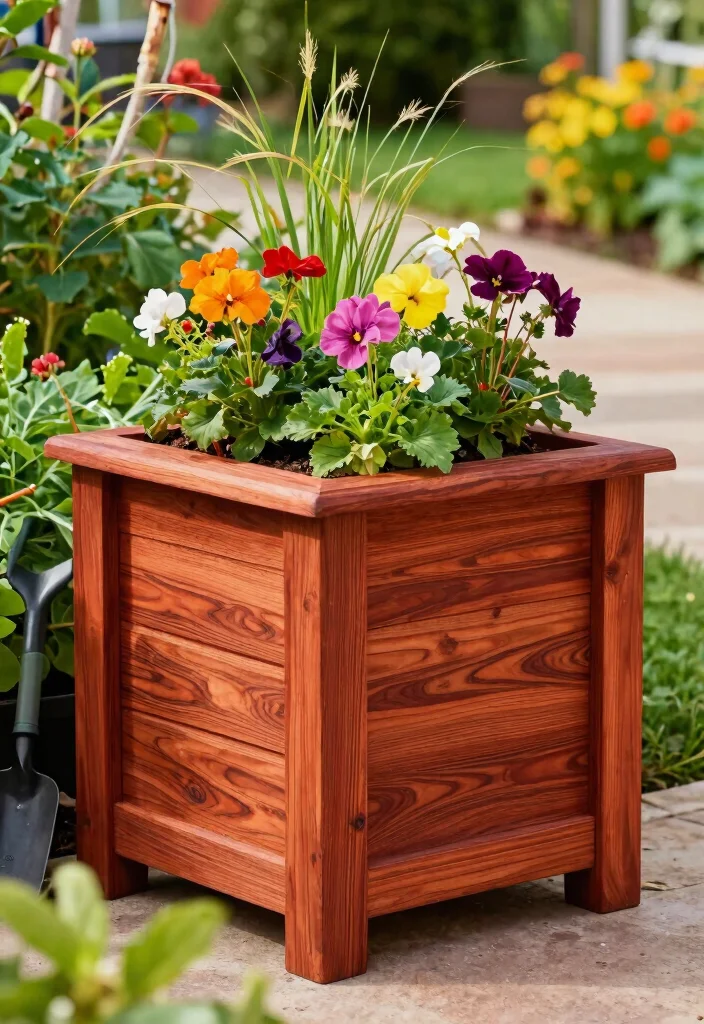
Cedar wood is a top pick for outdoor planter boxes, and it’s easy to see why. Its natural resistance to decay and pests ensures your planter will last through the seasons. Plus, the rich, reddish tones of cedar beautifully enhance any garden, creating a warm and inviting space.
When choosing cedar, look for thicker planks to boost durability against moisture. Opting for untreated cedar helps maintain its natural qualities and eco-friendliness, ensuring a sustainable choice for your garden.
Key features of cedar wood:
– Durability: Lasts for decades, making it ideal for outdoor use.
– Aromatic Qualities: Natural scent deters pests, protecting your plants.
– Lightweight: Easy to handle and install, perfect for gardeners.
This choice not only beautifies your garden but also provides long-lasting benefits. Watch your plants thrive in a sturdy, stylish home.
Fun fact: Cedar’s natural oils resist decay for 5–7 seasons in outdoor planter boxes, making it a top choice for the best wood for outdoor planter boxes. Pro tip: choose thicker planks and opt for untreated cedar for sustainability.
2. Reclaimed Wood: Sustainability at Its Best
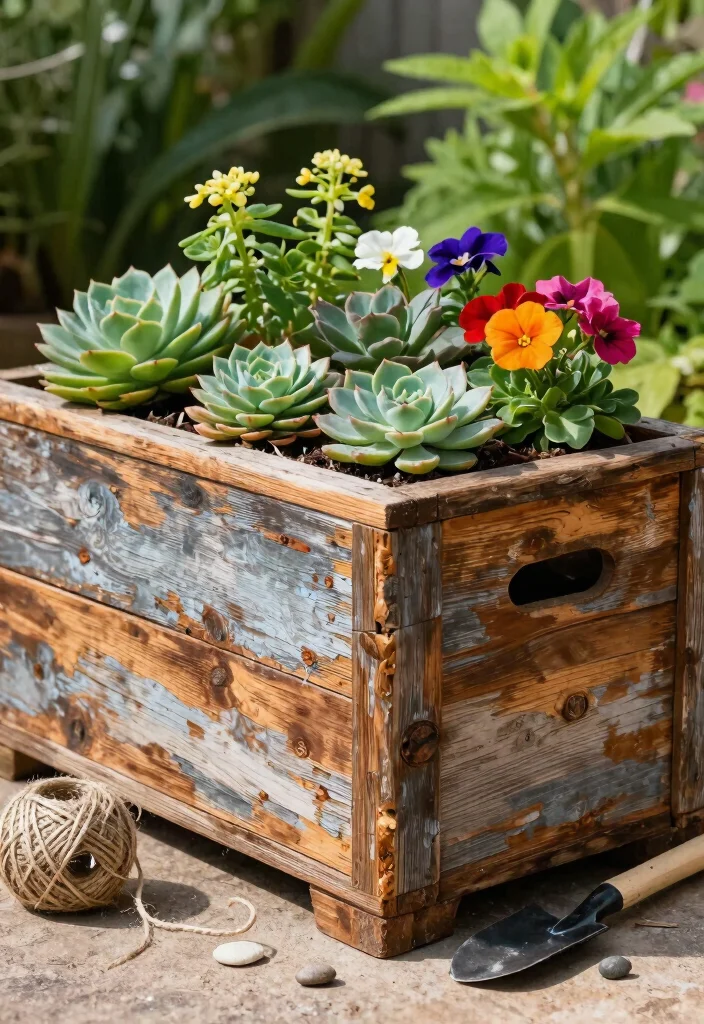
If you care about the environment, reclaimed wood is a fantastic option for your planter boxes. This wood, salvaged from old structures like barns and fences, reduces waste and brings a unique charm to your garden. Each piece tells a story, adding character to your outdoor space.
When selecting reclaimed wood, check for any signs of rot or chemicals. A thorough sanding and sealing can enhance its charm and durability, ensuring it stands the test of time.
Benefits of using reclaimed wood:
– Unique Character: Each piece offers varied colors and textures.
– Cost-Effective: Often more affordable than new wood, saving you money.
– Sustainable: Reduces demand for new lumber, helping the planet.
This choice not only beautifies your garden but also supports sustainable practices. Enjoy a one-of-a-kind planter that’s good for you and the Earth.
3. Redwood: Beauty Meets Strength
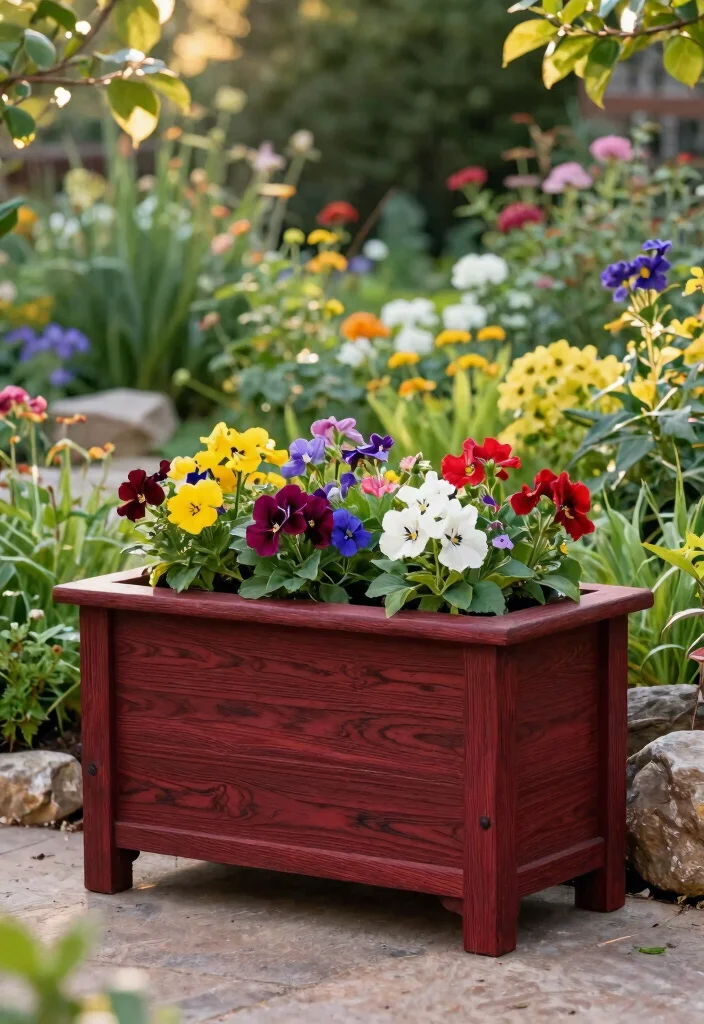
Redwood stands out as a premium choice for outdoor planter boxes, known for its striking beauty and strength. Its ability to resist moisture and pests makes it a long-lasting option that enhances your garden with deep, rich colors.
To maximize durability, consider using heartwood, the innermost part of the tree. Adding a protective finish helps maintain its stunning appearance while ensuring it withstands the elements.
Highlights of using redwood:
– Natural Resistance: Withstands decay and insects without extra treatment.
– Long-lasting: Can last over 20 years with proper care.
– Natural Aesthetic: Adds elegance and charm to any garden.
This option not only elevates your garden’s style but also promises durability. Experience the perfect blend of beauty and strength with redwood planters.
Redwood is the best wood for outdoor planter boxes for its natural resistance and beauty. Pro tip: use heartwood and seal with a protective finish to maximize durability against moisture and pests.
4. Pressure-Treated Lumber: A Reliable Option
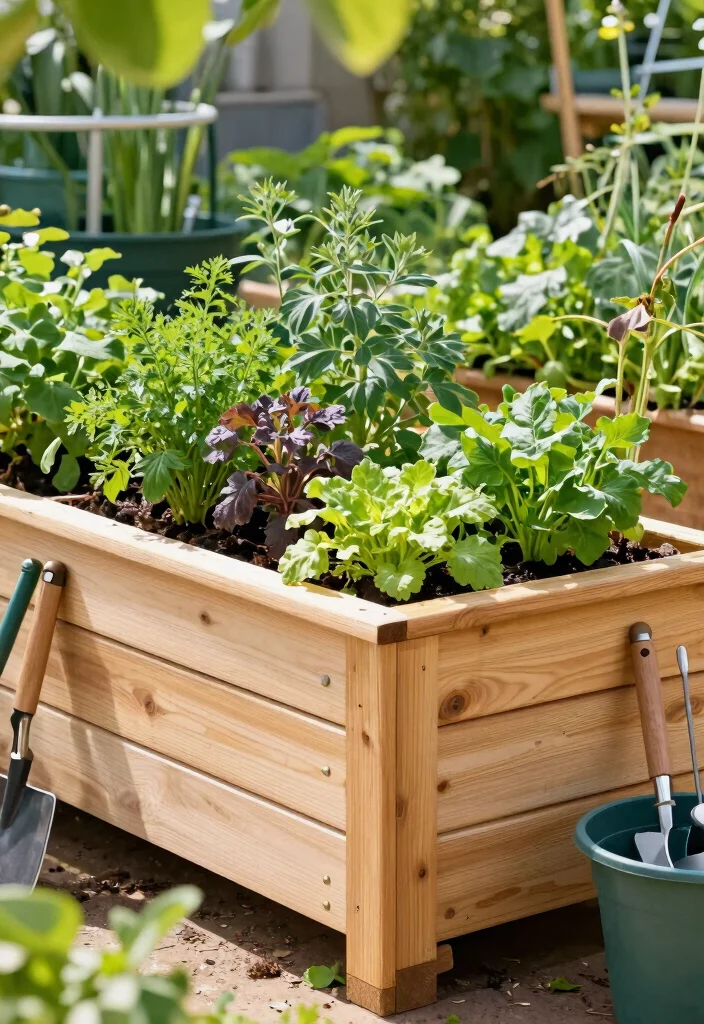
If you’re after durability, pressure-treated lumber is a reliable choice for outdoor planter boxes. Infused with preservatives, this wood is built to resist moisture and insect damage, making it a smart investment for your gardening needs.
While pressure-treated wood is cost-effective, it’s essential to line your planter with a barrier to prevent any chemicals from leaching into the soil. This simple step ensures your plants remain safe and healthy.
Advantages of pressure-treated lumber:
– Affordability: Generally cheaper than naturally rot-resistant woods.
– Versatility: Adaptable to various styles and designs.
– Longevity: Can endure many years outdoors with proper care.
This option meets your needs for functionality and cost. Enjoy a long-lasting planter that supports your gardening goals.
5. Thermally Modified Wood: Innovation in Gardening
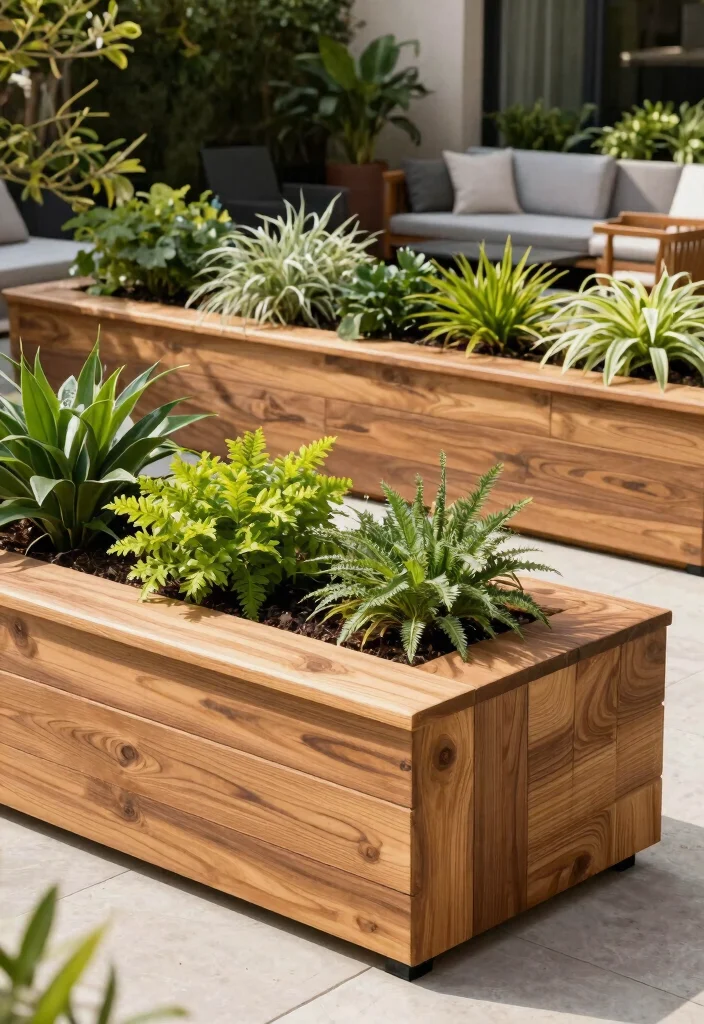
Thermally modified wood is an exciting new option for outdoor planters. This process involves heating the wood, enhancing its resistance to moisture, pests, and decay. If you’re looking for a modern, eco-friendly solution, this wood blends sustainability with practical benefits.
Choosing thermally modified wood not only provides durability but also maintains a beautiful appearance. Ensure you select reputable brands to guarantee quality and performance.
Benefits of thermally modified wood:
– Enhanced Durability: Surpasses untreated wood in resistance.
– Eco-Friendly: Chemical-free process using renewable resources.
– Aesthetic Appeal: Retains natural beauty while gaining strength.
This innovative choice ensures your planters are both stylish and functional. Embrace modern gardening techniques while supporting sustainability.
Key Trade-offs & Our Top Pick
Cedar
– Pros:
– Naturally resistant to decay and insects, making it a long-lasting option.
– Lightweight, which makes it easy to handle and move.
– Has an attractive scent and warm color that enhances any garden aesthetic.
– Cons:
– Can be more expensive than other woods.
– May require regular sealing to maintain its color and prevent weathering.
– Softness may lead to dents and scratches over time.
– Best for: Home gardeners looking for a beautiful and durable option that blends well with outdoor spaces.
Reclaimed Wood
– Pros:
– Environmentally friendly choice as it repurposes old materials.
– Unique character and history, giving your planter boxes a rustic charm.
– Often available at a lower cost compared to new wood.
– Cons:
– Quality can vary widely; some pieces may be weakened or damaged.
– Requires extra care in preparation to ensure it’s safe for plants.
– Can be challenging to find in larger quantities.
– Best for: Eco-conscious gardeners who appreciate character and uniqueness in their materials.
Redwood
– Pros:
– Naturally resistant to insects and decay, similar to cedar.
– Rich color and tight grain add beauty to any garden.
– Available in various grades, allowing for budget-friendly options.
– Cons:
– Can be pricier, especially for higher grades.
– May require regular maintenance to keep its appearance.
– Limited availability in some regions.
– Best for: Gardeners wanting a durable and visually striking option that stands the test of time.
Pressure-Treated Lumber
– Pros:
– Highly durable and resistant to rot and insects due to chemical treatment.
– Generally more affordable than other long-lasting wood options.
– Widely available, making it easy to find in home improvement stores.
– Cons:
– Chemicals used in treatment can leach into the soil, which may be a concern for edible plants.
– A less natural look compared to untreated woods.
– Requires sealing to prevent warping and splitting over time.
– Best for: Budget-conscious gardeners who prioritize durability and ease of availability.
Bamboo
– Pros:
– Fast-growing and renewable, making it an eco-friendly choice.
– Lightweight yet strong, making it easy to manipulate during construction.
– Unique aesthetic that adds a tropical vibe to your garden.
– Cons:
– Less decay-resistant than traditional woods, needing regular treatment.
– Can be more expensive depending on the source.
– Limited lifespan outdoors compared to other wood options.
– Best for: Gardeners looking for a stylish and sustainable material with a unique flair.
Best Overall: Cedar
Cedar stands out as the best wood for outdoor planter boxes for most gardeners. Its natural resistance to decay and pests means you won’t replace it often, saving you money in the long run. It’s lightweight and easy to work with, making it a favorite among DIY enthusiasts. Plus, the beauty of cedar adds charm to any outdoor space without compromising on durability.
Why We Picked This:
Cedar is perfect for most gardeners who want a combination of beauty, durability, and reasonable maintenance. However, if you have a tight budget, reclaimed wood can be an excellent alternative. For a more modern approach, pressure-treated lumber offers an affordable option but may require more caution. Consider your specific needs and preferences when making your choice!
6. Bamboo: A Unique Alternative
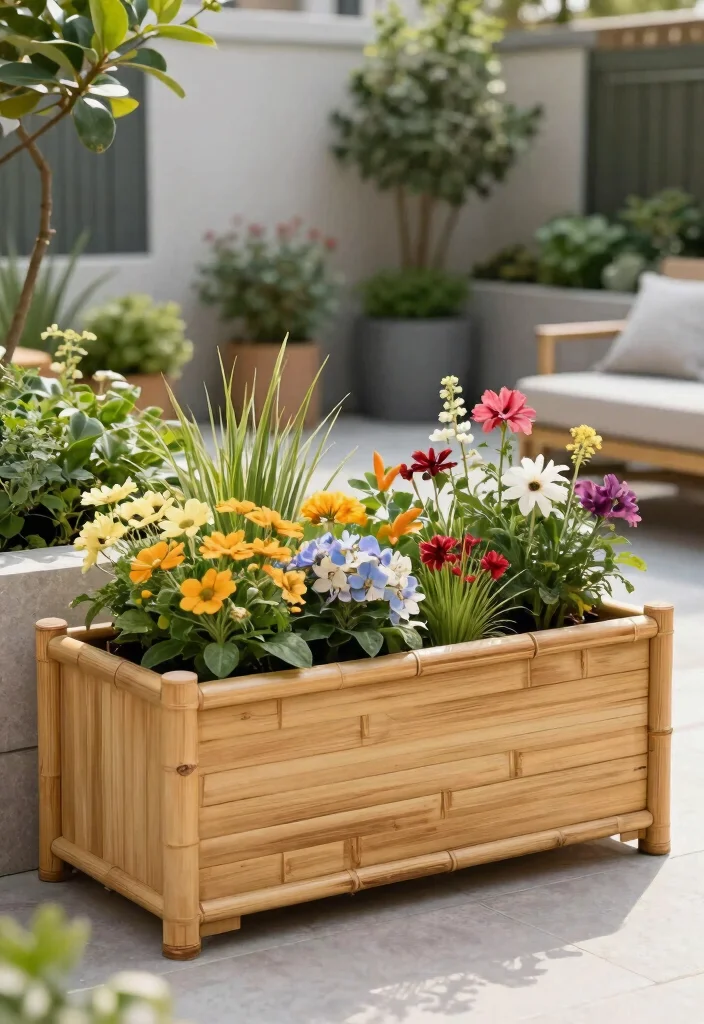
Looking for something different? Bamboo offers a unique alternative to traditional wood for planters. Although not a wood, bamboo is a fast-growing, sustainable plant that can be crafted into lightweight, sturdy planters that fit beautifully in modern gardens.
When using bamboo, it may require some extra treatment to protect it from moisture and pests. However, with the right care, bamboo can add a stunning touch to your garden.
Advantages of bamboo include:
– Sustainability: Regrows quickly, making it eco-friendly.
– Lightweight: Easy to move and rearrange as needed.
– Unique Aesthetics: Adds a contemporary look with natural textures.
This option not only stands out visually but also supports environmentally friendly gardening practices. Enjoy a stylish and sustainable planter that complements your garden.
Bamboo isn’t a typical wood, but it shines as a sustainable option in the best wood for outdoor planter boxes—fast-growing, lightweight, and surprisingly sturdy. Seal joints and ends to guard against moisture and pests, and you’ve got a modern accent for your outdoor space. Give bamboo a try.
7. Aluminum Planters: Modern and Minimalist
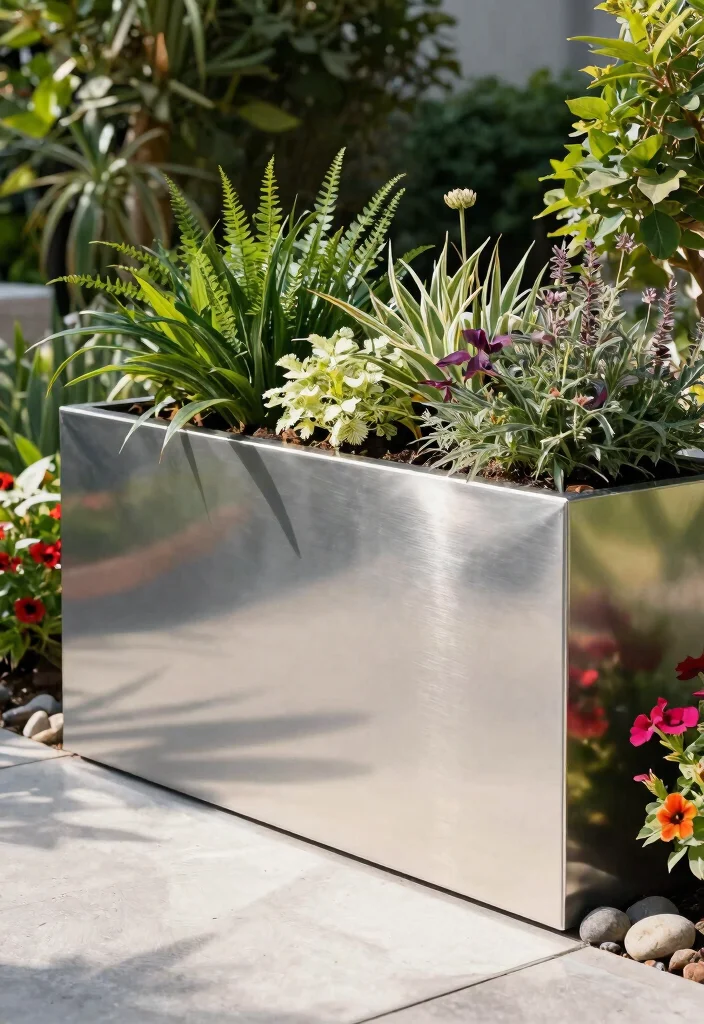
For a sleek and modern look, consider aluminum planters. While not wood, aluminum offers durability and corrosion resistance, making it perfect for outdoor spaces that require both style and practicality.
Aluminum planters are lightweight and easy to rearrange, allowing you to adapt your garden as seasons change. Available in various finishes, they can complement any design theme.
Reasons to choose aluminum:
– Weather-Resistant: Won’t rot or warp in any climate.
– Lightweight and Portable: Easy to move around your garden.
– Versatile Designs: Fits seamlessly into various styles and themes.
This modern choice not only enhances your garden’s aesthetic but also provides practical benefits. Create a contemporary outdoor space with aluminum planters that last.
Conclusion
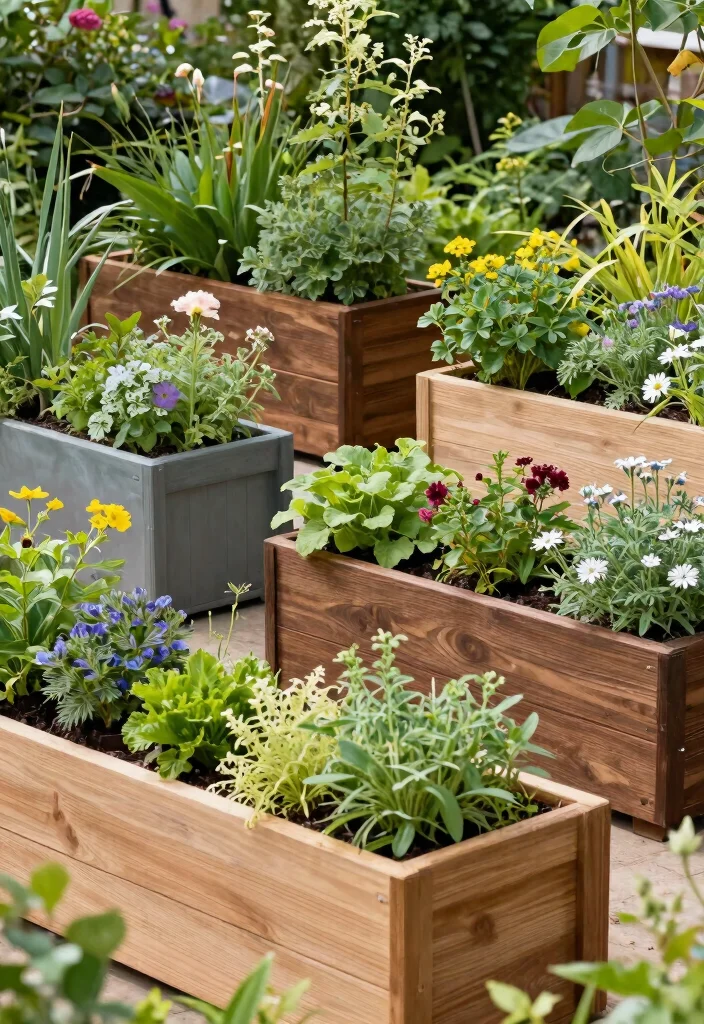
Choosing the best wood for outdoor planter boxes is an exciting journey into the world of gardening. Whether you lean towards the natural charm of cedar, the uniqueness of reclaimed wood, or the modern appeal of aluminum, each option offers distinct advantages that can enhance your outdoor space.
By investing in sustainable and durable materials, you’re not only beautifying your garden but also contributing positively to the environment. Select the wood that resonates with your style and values to create a vibrant sanctuary for your plants.
Note: We aim to provide accurate product links, but some may occasionally expire or become unavailable. If this happens, please search directly on Amazon for the product or a suitable alternative.
This post contains Amazon affiliate links, meaning we may earn a small commission if you purchase through our links, at no extra cost to you.
Frequently Asked Questions
What is the best wood for outdoor planter boxes, especially when prioritizing sustainable or reclaimed options?
Choosing the best wood for outdoor planter boxes means balancing durability, weather resistance, and sustainability. Here are practical steps to pick and prepare sustainable or reclaimed options:
1) Start with naturally weather-resistant wood like cedar or redwood, which handles sun and rain without heavy coatings.
2) Consider reclaimed wood such as salvaged cedar boards, barn wood, or old oak—these add character and reduce new-wood demand.
3) Check for chemical treatments; avoid pressure-treated lumber unless you know it’s from safe sources, and seal with non-toxic finishes.
4) Use boards at least 3/4 in thick and assemble with exterior-grade screws; line the interior to protect the wood from soil moisture.
5) Plan drainage and avoid wooden direct-ground contact or use a liner to extend life.
When in doubt, pair reclaimed aesthetic with durable options and you’ll create long-lasting, eco-friendly garden containers.
Which durable wood options are best for outdoor planter boxes while staying eco-friendly?
For durable, eco-friendly outdoor planter boxes, prioritize woods with natural rot resistance or those commonly reclaimed.
Natural options: cedar, redwood, cypress, and white oak; reclaimed possibilities include old cedar fencing, barn boards, or reclaimed oak.
Tips: choose exterior-grade fasteners, seal with non-toxic oils, avoid pressure-treated lumber when possible; use liners; ensure proper drainage.
Maintenance: reapply sealant every 1-2 years, keep soil away from ends, rotate planters to prevent uneven weathering.
These choices keep your planters sturdy, minimize chemical exposure, and fit outdoor planter materials and gardening container ideas themes.
How should I construct planter boxes to maximize weather resistance and longevity?
Effective planter box construction starts with durably joined corners, proper drainage, and interior lining.
Ensure your box sits on feet to avoid direct moisture exposure to ends. Use exterior-grade screws, waterproof wood glue, and corner bracing.
Line the interior with a root barrier and a liner to protect wood. Fill with well-draining soil. Seal or oil the exterior with a weather-resistant finish that is safe for plants. Inspect annually and re-seal after harsh winters.
Are there affordable reclaimed wood ideas for stylish garden planter boxes?
Absolutely. Try reclaimed wood sources like heat-treated pallet boards, old fence planks, barn wood, or decking boards.
Tips: check for rot, nails, and chemical contamination; dry thoroughly; sand smooth; seal with a non-toxic finish to protect your plants and the wood. Build using simple joinery for a clean look and flexibility in gardening container ideas like window boxes, tiered planters, or raised beds.
By choosing reclaimed options and treating them properly, you can achieve a stylish, durable, and eco-friendly outdoor aesthetic.
What maintenance tips help outdoor planter boxes stay good-looking year-round?
Keep your planter boxes vibrant with regular care:
1) Clean debris in spring and inspect for cracks or rot.
2) Reseal or re-stain with non-toxic finishes every 1-2 years.
3) Use interior liners to protect wood from soil moisture and ensure good drainage.
4) Elevate boxes off the ground with feet or bricks to prevent water pooling and extend life.
5) Winterize by storing or covering during cold snaps.
By using weather-resistant wood finishes and ensuring proper outdoor planter materials care, you can minimize maintenance and keep your garden containers looking great year-round.
![15 Best Spring Window Box Planting Ideas [Early Blooms]](https://snugfelt.com/wp-content/uploads/2026/04/15-Best-Spring-Window-Box-Planting-Ideas-Early-Blooms-150x150.webp)