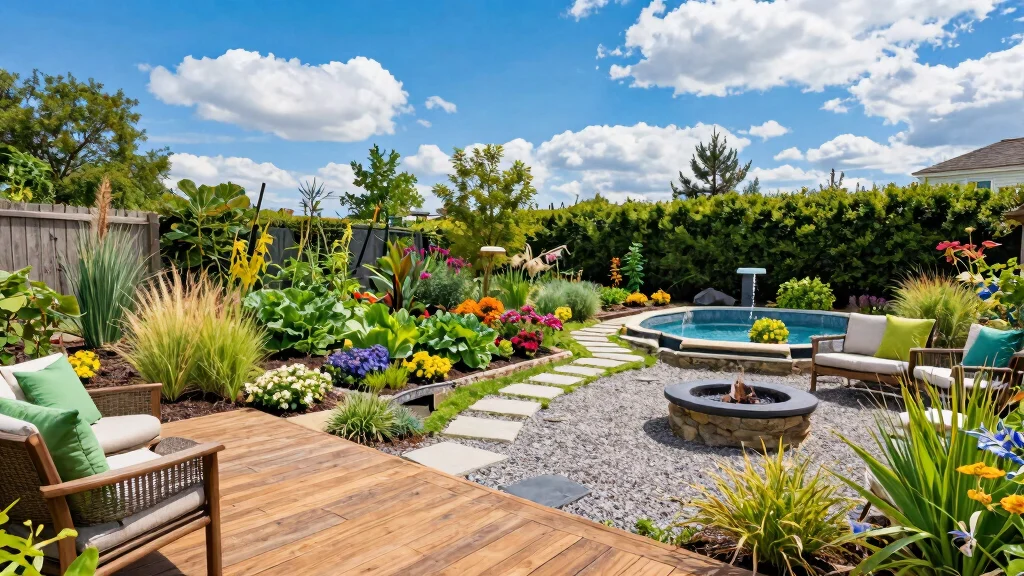
After removing an above-ground pool, many homeowners are left with an empty, uneven space that feels neglected and uninspired. I created this post because I know how overwhelming it can be to envision what to do next. This is your chance to turn that vacant area into a beautiful outdoor paradise. Whether you’re looking to create a lush garden or an inviting outdoor living space, there are plenty of possibilities just waiting for your creativity.
If you love gardening or simply want to enhance your backyard for family and friends, this guide is for you. You’ll find innovative and sustainable landscaping ideas that will breathe new life into your yard. From native plant gardens to cozy fire pits, I’ve gathered 11 lush ideas that are practical, stunning, and sure to transform your space into a welcoming haven.
Get ready to imagine a vibrant landscape where you can relax, entertain, and enjoy nature. Let’s explore how you can turn your former pool area into a lush retreat that reflects your personality and showcases the beauty of your outdoor environment.
Key Takeaways
– Create a Native Plant Garden: Opt for plants that thrive in your local climate, requiring less water and maintenance while attracting beneficial wildlife.
– Build an Outdoor Living Space: Design a comfortable area with seating and shade, perfect for gatherings or relaxing evenings spent outdoors.
– Design a Drought-Resistant Landscape: Choose drought-tolerant plants and materials to create a beautiful yet environmentally friendly space that conserves water.
– Install a Raised Vegetable Garden: Make the most of your space by growing your own vegetables in raised beds, providing fresh produce and a rewarding gardening experience.
– Add a Cozy Fire Pit Area: Create an inviting place for family and friends to gather around a fire, enhancing your backyard’s appeal and usability year-round.
1. Create a Native Plant Garden
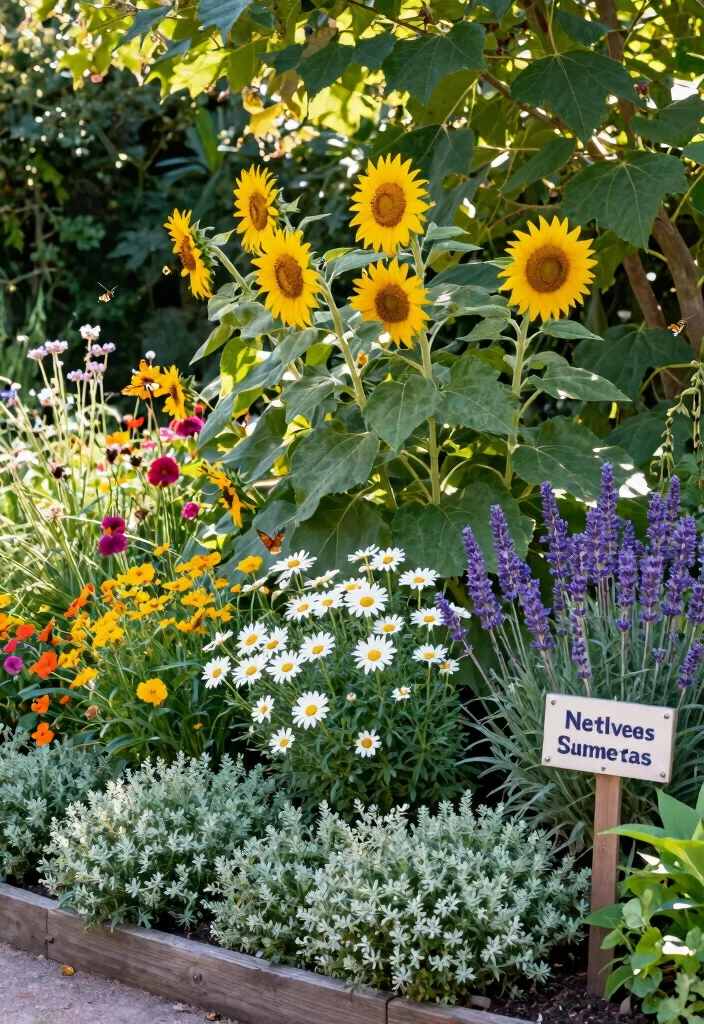
Imagine transforming your old pool area into a thriving native plant garden that attracts local wildlife. Not only do native plants require less water, but they also flourish naturally in your environment, reducing the need for constant upkeep. Plus, with a variety of colors and textures, your garden can be both beautiful and beneficial to the ecosystem around you.
Start by selecting plants that are indigenous to your region, as they will thrive with minimal intervention. Incorporate different heights and layers, from vibrant sunflowers to lush ground cover, to create a visually appealing landscape that also supports local pollinators.
Tips for your native garden:
– Research local flora that attracts pollinators like bees and butterflies.
– Group plants with similar water and sunlight needs together.
– Implement mulch to retain moisture and reduce weeds.
In time, your native garden will flourish, becoming a low-maintenance oasis that contributes positively to the local environment.
Did you know native plants use up to 30–50% less water? After embracing landscaping ideas after above ground pool removal, the area thrives with regional natives, attracting pollinators and cutting upkeep. Your yard becomes low-maintenance, color-filled, and wildlife-friendly.
2. Build an Outdoor Living Space
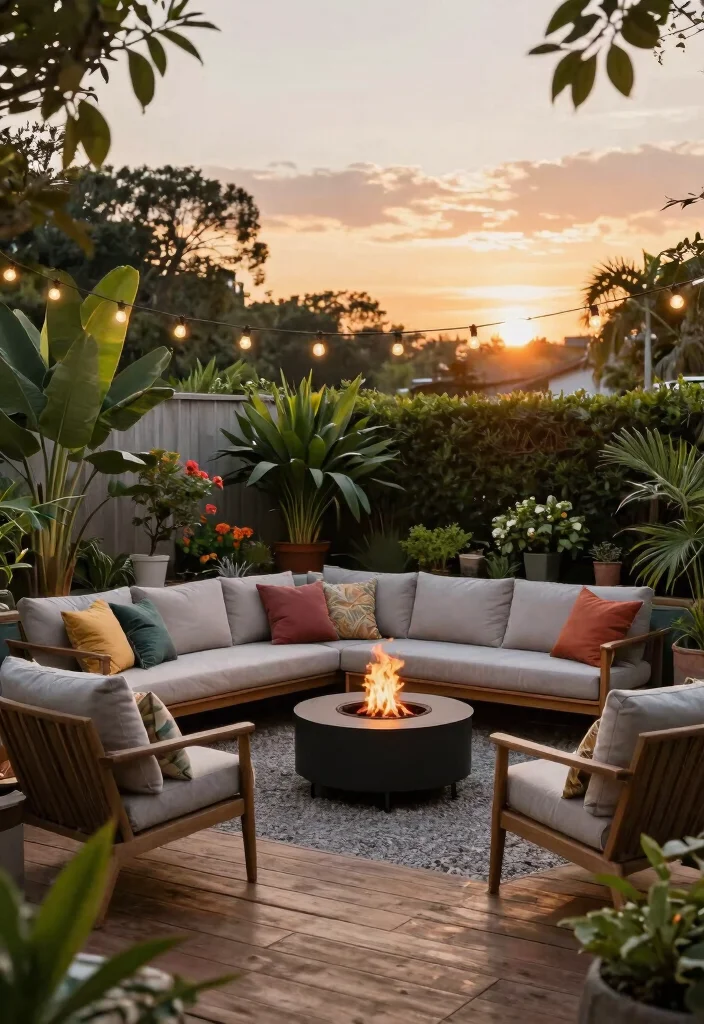
Turn the space left behind by your above-ground pool into a cozy outdoor living area where you can relax and entertain. This space can serve as the heart of your backyard, perfect for hosting family barbecues or enjoying a quiet evening under the stars.
Consider including features like a wooden deck for dining, comfortable seating with outdoor cushions, and a fire pit for warmth on chilly nights. Surrounding your space with greenery can provide privacy and enhance the overall atmosphere.
Components of an outdoor living space can include:
– A wooden or composite deck for dining and lounging.
– Comfortable seating like sectionals or lounge chairs adorned with outdoor cushions.
– A fire pit for warmth and evening gatherings.
This inviting area will not only elevate your outdoor experience but also become a popular spot for creating lasting memories with loved ones.
3. Design a Drought-Resistant Landscape
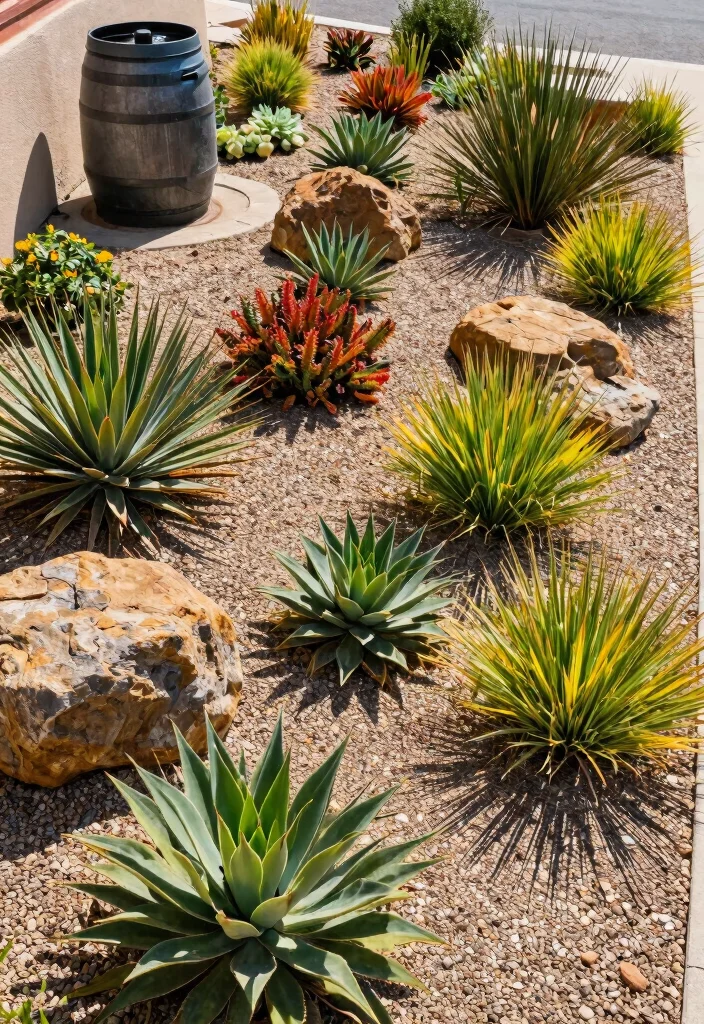
If you live in a dry area, consider converting your former pool space into a drought-resistant landscape that conserves water. This design approach emphasizes hardy plants that thrive in arid conditions, creating a sustainable and eye-catching garden.
Explore xeriscaping, which combines drought-tolerant plants with rocks and mulch to minimize water use. You can create an attractive garden that showcases beautiful textures while being environmentally friendly.
Key elements include:
– Selecting plants like succulents, lavender, and ornamental grasses that thrive in dry conditions.
– Implementing gravel or stone paths that add texture and reduce water use.
– Using rain barrels to collect runoff for irrigation, further promoting sustainability.
With careful planning, your drought-resistant landscape can be both stunning and practical, enhancing your outdoor space while conserving resources.
Did you know that xeriscaping, a key part of landscaping ideas after above ground pool removal, can slash outdoor water use by up to 60%? Choose drought-tolerant plants, rocks, and mulch to create texture and low-maintenance beauty.
4. Install a Raised Vegetable Garden
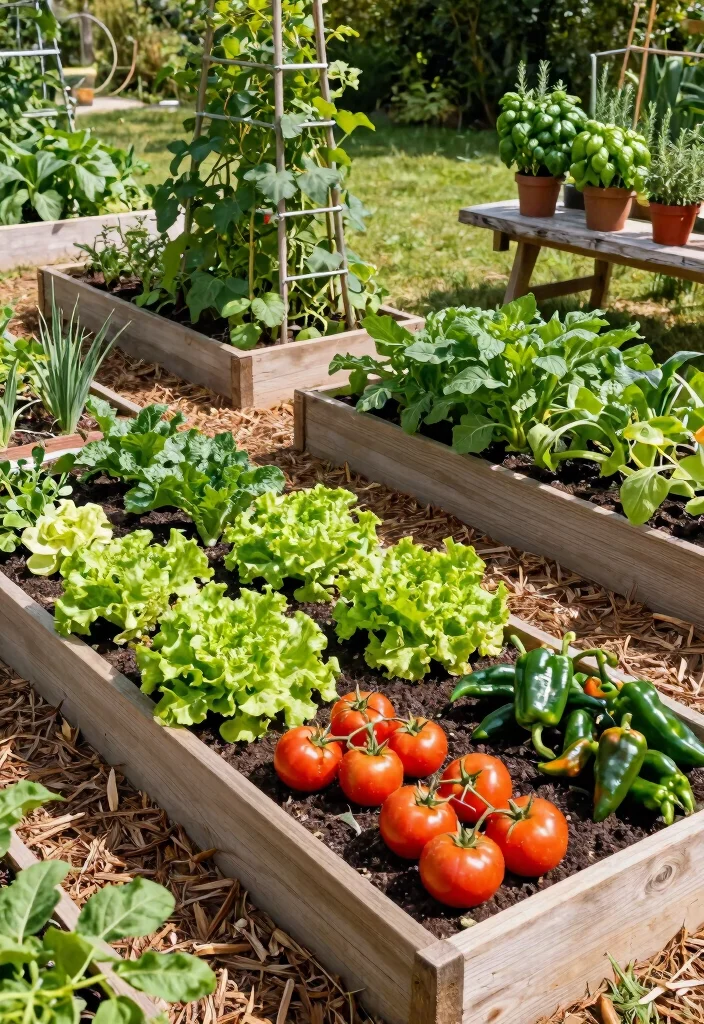
With your pool removed, why not embrace sustainable living by creating a raised vegetable garden? This rewarding project allows you to grow your own food, encourages healthier eating habits, and can significantly cut grocery costs.
Building raised beds improves soil drainage and makes planting and harvesting easier. Opt for untreated wood to avoid harmful chemicals, or use recycled materials for a more eco-friendly option.
Gardening tips include:
– Choose a sunny location and align your beds to maximize sunlight exposure.
– Rotate crops each season to maintain soil health.
– Consider companion planting to enhance growth and deter pests.
Your raised vegetable garden will not only yield fresh produce but also provide a sense of accomplishment as you enjoy the fruits of your labor.
5. Create a Wildflower Meadow
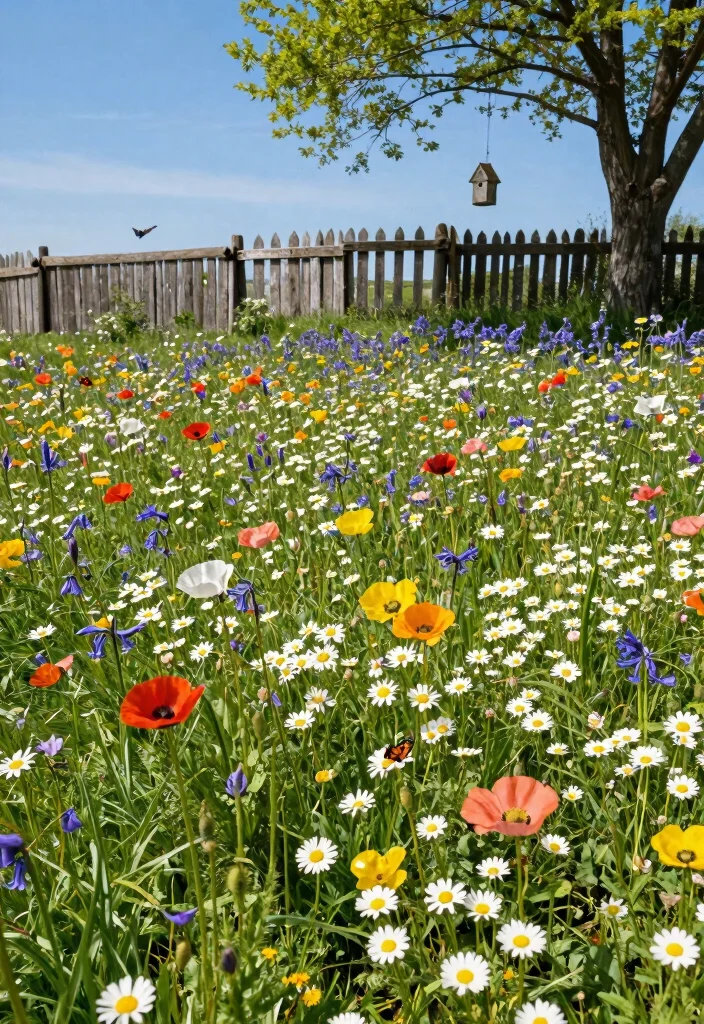
Transform your old pool area into a stunning wildflower meadow instead of a conventional lawn. Wildflowers not only add beauty but also provide essential habitats for bees, butterflies, and other vital pollinators.
To establish your meadow, select a variety of native wildflower seeds that flourish in your climate. Scatter them over previously prepared soil in early spring or fall for optimal growth.
Benefits of a wildflower meadow include:
– Minimal maintenance compared to a standard lawn.
– Lower water requirements, making it eco-friendly.
– Increased biodiversity in your backyard.
As time goes on, your meadow will bloom into a colorful tapestry, enriching your landscape while supporting local wildlife.
6. Build a Natural Stone Pathway
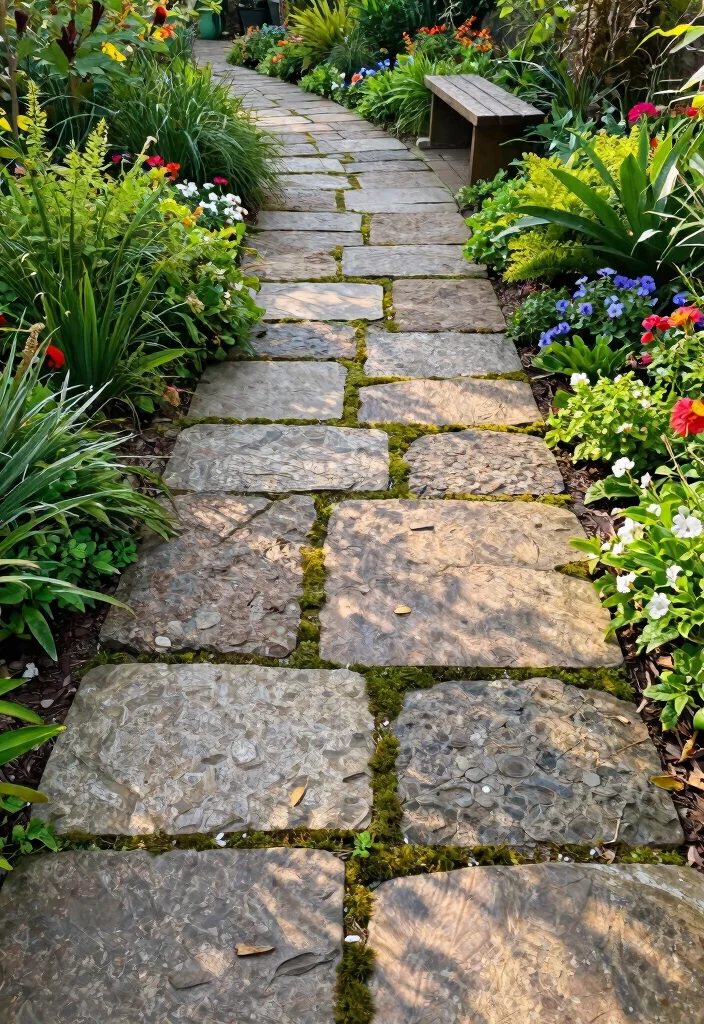
Enhance the flow of your newly landscaped area with a natural stone pathway that combines beauty and functionality. This pathway will guide visitors through your garden while connecting various features, adding charm to your outdoor space.
Select stones that match your landscape style, such as slate or river rocks, and lay them in a winding pattern. Filling gaps with gravel or moss will create a natural, inviting look.
Pathway benefits include:
– Encouraging exploration of your garden.
– Reducing mud and erosion, especially in wet conditions.
– Adding elements of design and texture.
As your pathway matures with surrounding plants, it will blend seamlessly into the landscape, inviting guests to wander through your transformed outdoor area.
7. Add a Water Feature
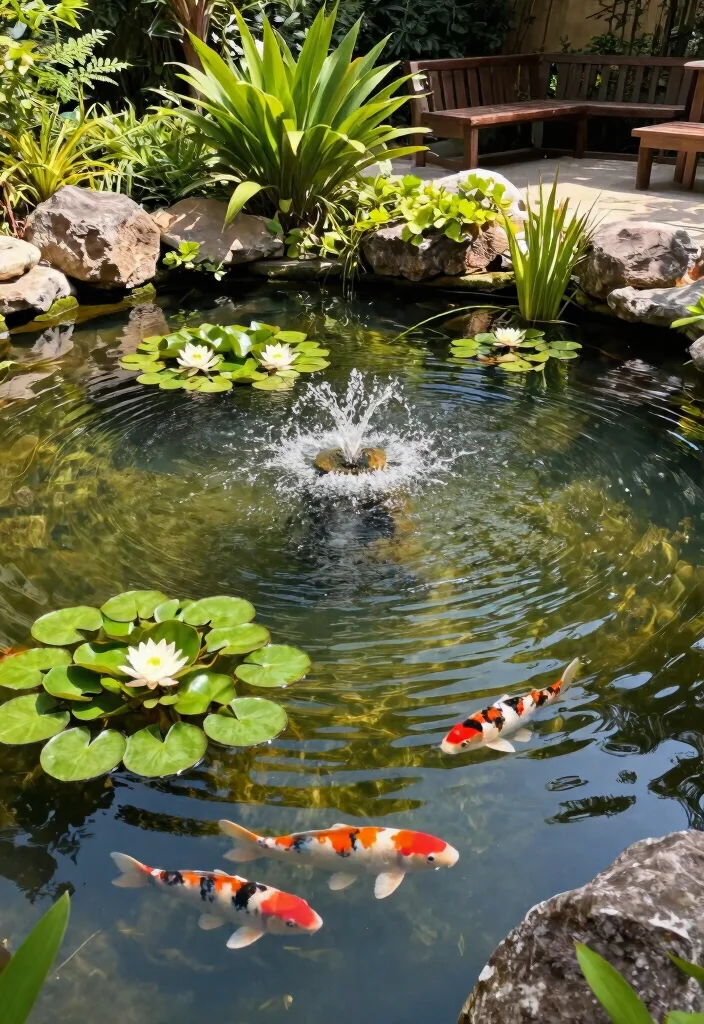
Consider introducing a water feature like a small pond or fountain to create a serene focal point in your landscape. The gentle sound of flowing water can bring peace and tranquility, making your backyard a perfect retreat.
When selecting a water feature, think about its size and style to match your outdoor space. A simple DIY fountain can be both budget-friendly and stylish, while a small pond can attract local wildlife, enriching the ecosystem.
Considerations for your water feature:
– Ensure it’s situated in a spot where you can enjoy it from your seating area.
– Incorporate aquatic plants like water lilies or lotus for added beauty.
– Use solar-powered pumps for an eco-friendly option.
Your water feature will not only enhance your backyard design but also offer a peaceful escape from daily life.
How To Choose Landscaping Ideas After Above Ground Pool Removal
Tools You’ll Need:
– Measuring tape
– Garden spade
– Rake
– Level
– Trowel
– Wheelbarrow
– Plants and seeds according to your choice
– Mulch or soil amendments (if needed)
Step 1: Measure & Assess the Area
Begin by measuring the area where your pool used to be. Determine its dimensions and note any slopes or unevenness in the ground. Use your measuring tape to get accurate measurements. This will help you plan your landscaping effectively. ✔ Clear away debris and check the soil condition.
Step 2: Decide on the Landscape Theme
Choose a theme that suits your style and the overall look of your yard. Popular themes include native plant gardens, vegetable patches, or outdoor living spaces. Think about how much sunlight each area receives and what types of plants will thrive there. ✔ Look at magazines or websites for inspiration.
Step 3: Select Plants Wisely
Choose plants that match your theme and are suitable for your climate. For a native plant garden, select local species that require less water and care. If you want a vegetable garden, think about the types of vegetables you enjoy and their growing seasons. ✔ Consider the spacing between plants to allow for growth and airflow.
Step 4: Create a Plan for Hardscaping
Incorporate hardscape elements like pathways, patios, or fire pits to enhance your outdoor space. Think about materials that complement your style, such as stone or gravel for pathways. Plan where you’ll place these elements based on your layout. ✔ Sketch out your plan to visualize how everything fits together.
Step 5: Prepare the Soil
Once your plan is in place, it’s time to prep the soil. Remove any remaining debris and level the ground. You may need to add new soil or amendments to improve drainage and nutrient levels. This step is crucial for the health of your plants. ✔ Test the soil pH if you’re unsure about its quality.
Step 6: Plant & Mulch
Now, it’s time to plant! Follow your layout, spacing plants as planned. After planting, add mulch around them to retain moisture and reduce weeds. Choosing eco-friendly mulch can also improve soil quality over time. Water the plants immediately after planting to help them settle in. ✔ Keep an eye on them for the first few weeks as they establish roots.
Pro Tip: Consider implementing a drip irrigation system for watering your new plants efficiently. It saves water and ensures your garden gets the moisture it needs without overwatering.
With thoughtful planning and the right choice of plants and features, you can create a stunning outdoor space in the area where your above ground pool once stood. Enjoy your new backyard transformation!
8. Implement Raised Flower Beds
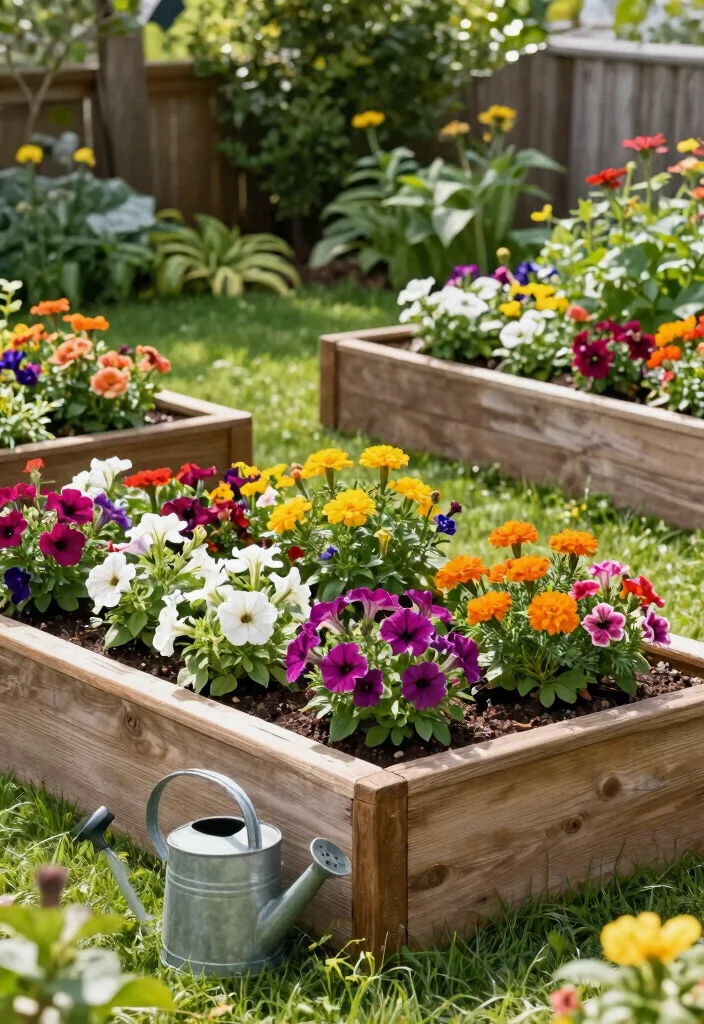
After pool removal, raised flower beds can add vibrant structure and color to your landscape. These beds allow for better control of soil quality and drainage, leading to healthier plants and a more beautiful garden.
You can construct raised beds using wood, stone, or recycled materials, ensuring they complement your overall design. Select a mix of annuals and perennials for a dynamic visual experience throughout the seasons.
Benefits of raised flower beds:
– Easier access for planting and maintenance.
– Better pest control compared to ground planting.
– Enhanced drainage and soil management.
With proper care, your flower beds will bloom beautifully, becoming a captivating centerpiece in your revitalized backyard.
9. Create a Cozy Fire Pit Area
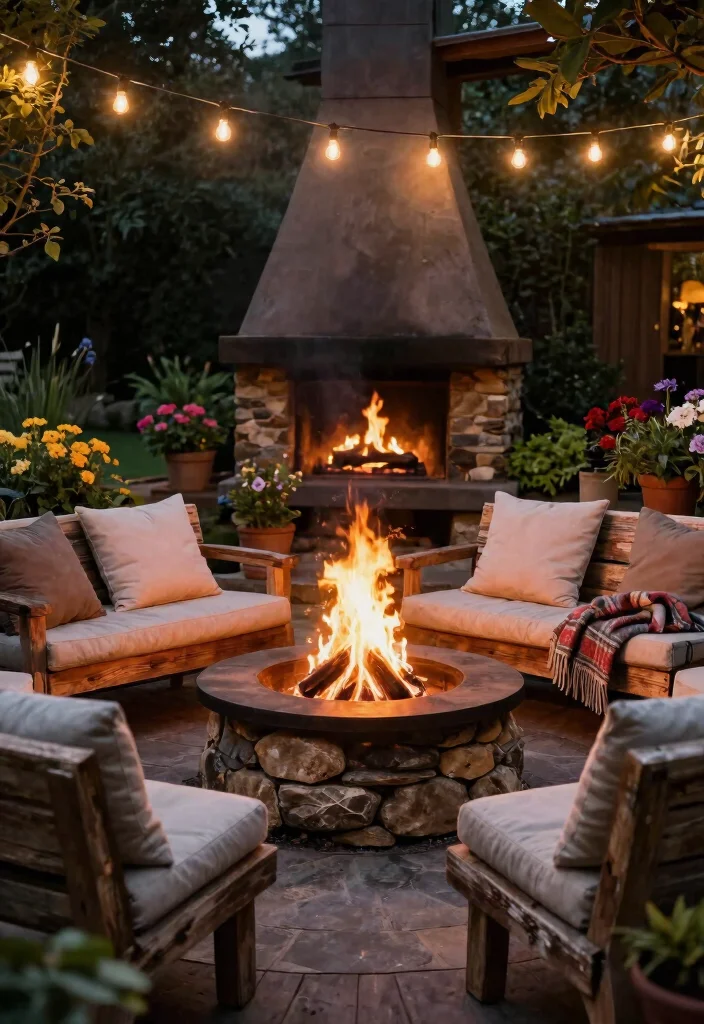
An outdoor fire pit area can transform the space left by your above-ground pool into a warm gathering spot. It’s perfect for roasting marshmallows, sharing stories, or simply enjoying the evening sky with friends and family.
Choose a fire pit style that suits your taste, whether it’s a simple DIY setup or a professionally installed stone feature. Arrange comfortable seating around the pit with cozy blankets for added warmth on cooler nights.
Enhance your fire pit area by:
– Incorporating outdoor rugs for added comfort.
– Adding string lights or lanterns for ambient lighting.
– Surrounding the area with plants that provide a natural backdrop.
This inviting fire pit area will not only be a focal point in your backyard but will also create lasting memories with loved ones.
10. Install Vertical Gardens
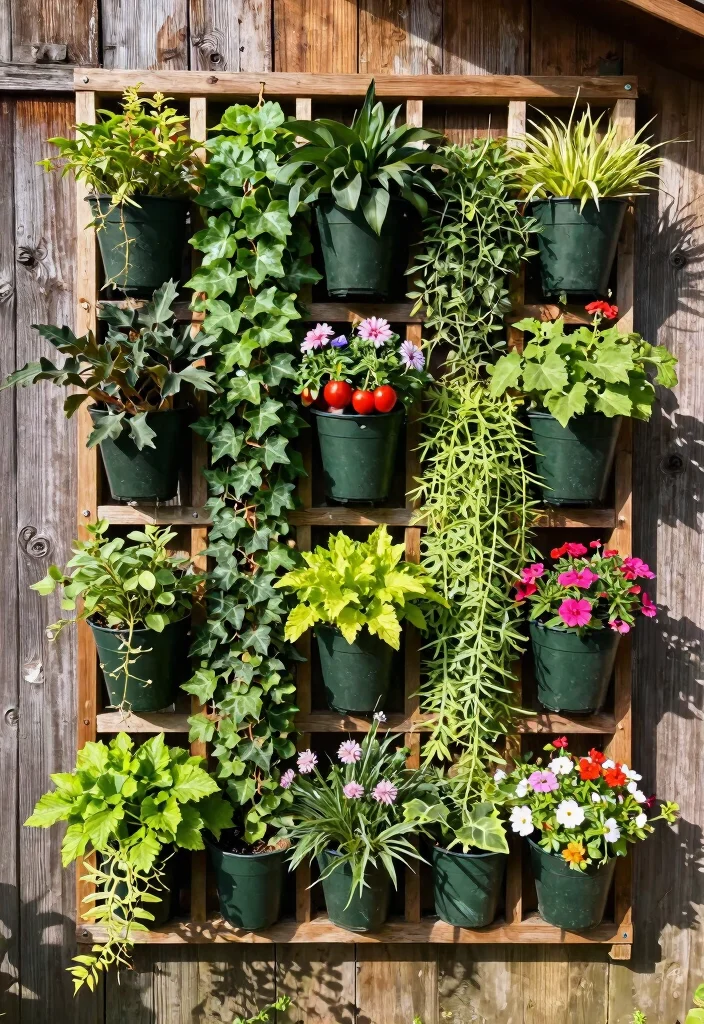
Vertical gardens are a stylish and space-efficient way to rejuvenate your backyard, especially after removing an above-ground pool. They allow for creative plant arrangements while maximizing the use of limited space.
Using wall-mounted planters or trellises, you can grow a variety of flowers, herbs, or even vegetables. This unique approach not only beautifies your space but also contributes to improved air quality.
To create an effective vertical garden:
– Select plants that thrive in vertical arrangements, such as climbing vines or trailing plants.
– Ensure proper sunlight exposure and watering access.
– Incorporate various materials like wood, metal, or recycled containers for a unique look.
Your vertical garden will add visual interest and functionality to your outdoor area, providing fresh herbs and flowers at your fingertips.
11. Consider Outdoor Art Installations
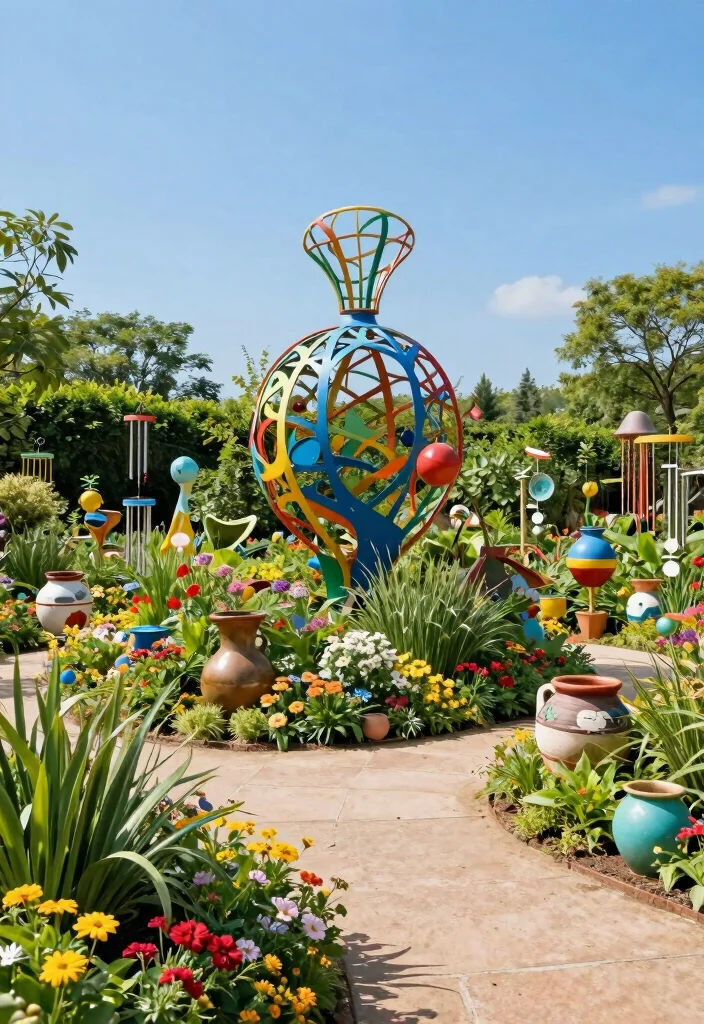
Elevate the charm of your new landscape by incorporating outdoor art that reflects your personal style. From sculptures to wall art made from natural materials, these installations can enhance the visual appeal of your yard.
When selecting art, consider how it fits within your overall design and the impact it brings to the space. Large sculptures can become focal points, while smaller pieces can add delightful details throughout your garden.
Tips for incorporating art include:
– Ensure artwork is weather-resistant and durable.
– Choose pieces that harmonize with the colors and textures of your plants.
– Mix different forms of art, from metal sculptures to colorful mosaics, for a dynamic environment.
Your unique outdoor art will not only personalize your space but also spark joy and conversation among visitors.
Fun fact: outdoor art after above ground pool removal can boost perceived yard value by about 25% and give your space an instant, personal touch. Choose sculptures or natural-material wall art to anchor your landscaping ideas after above ground pool removal.
Conclusion
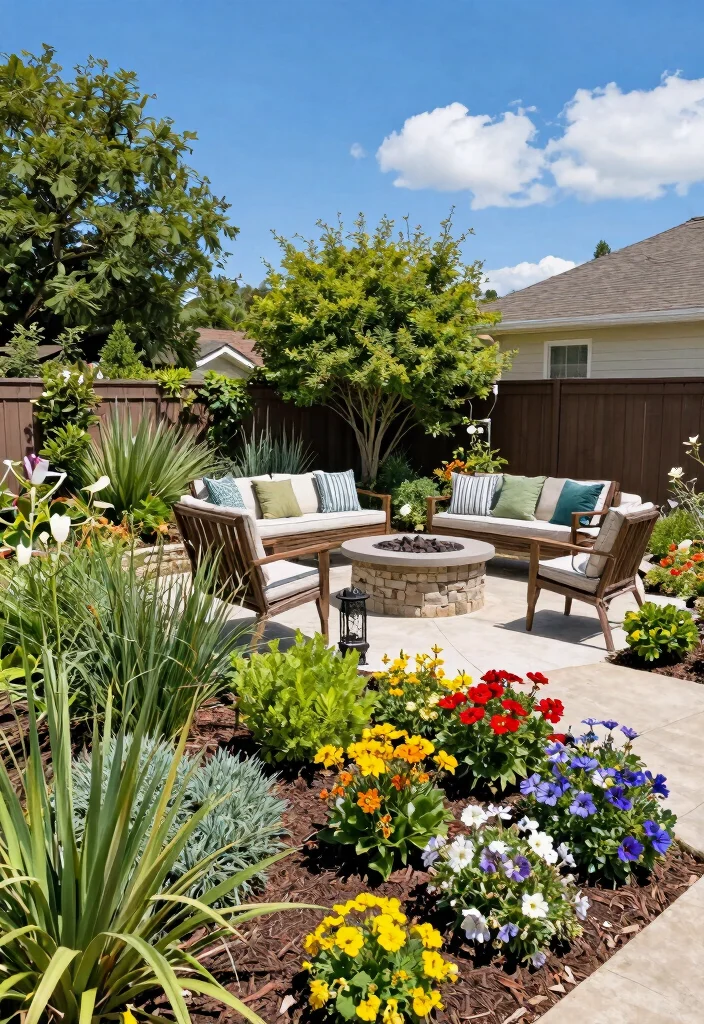
Transforming your backyard after an above-ground pool removal opens up exciting possibilities for creating a vibrant outdoor space.
From sustainable native gardens to cozy fire pits, each idea brings its own unique charm and functionality. As you embark on this journey of garden renovation, let your creativity shine while supporting the environment. Don’t forget to share your transformation stories and tips with fellow gardening enthusiasts to inspire others on their landscaping adventures!
Note: We aim to provide accurate product links, but some may occasionally expire or become unavailable. If this happens, please search directly on Amazon for the product or a suitable alternative.
This post contains Amazon affiliate links, meaning we may earn a small commission if you purchase through our links, at no extra cost to you.
Frequently Asked Questions
What are the top landscaping ideas after above ground pool removal to refresh my yard?
Removing an above-ground pool opens a blank canvas for a stunning backyard transformation and a fresh landscape design. Here are practical, actionable ideas to try:
Create an inviting outdoor living space with a patio, seating, and shade.
Use permeable pavers and a small rain garden to improve drainage and water efficiency.
Plant a mix of native and drought-tolerant species for color with minimal maintenance.
Add garden renovation touches like raised beds, a herb spiral, or a pollinator patch.
Install a simple irrigation plan and mulch to reduce evaporation and keep weeds down.
These ideas align with smart landscape design and practical landscaping tips for a dramatic backyard transformation.
How can I design a cohesive landscape design for a former pool area that keeps maintenance low?
Begin with a simple concept: choose a limited plant palette of native and drought-tolerant species, group plants by water needs, and select durable materials for paths and seating. Use permeable surfaces to handle drainage and reduce runoff. Install a smart irrigation controller with weather-based scheduling to minimize water waste. Build in raised beds or containers for easy access and garden renovation opportunities in small spaces. Finally, map zones (lounging, dining, play) to keep your landscape design cohesive and outdoor living space friendly, reducing ongoing maintenance.
What garden renovation ideas work best for turning an empty pool footprint into an outdoor living space?
Think in layers: define zones for lounging, dining, and cooking, then pick materials that tie the area together. Install a durable patio, a shaded seating area, and maybe a small outdoor kitchen or fire feature to anchor the space. Add privacy with screens or tall plantings and include lighting to extend usability. Introduce a pollinator-friendly planting scheme and low-maintenance borders to keep upkeep manageable. This approach blends garden renovation principles with a cohesive outdoor living space that feels intentional.
Which landscaping tips deliver the best backyard transformation after pool removal?
Start with a drainage and soil assessment to prevent weeds and water pooling. Improve soil with compost and mulch, then plant in complementary layers using a mix of trees, shrubs, and perennials for year-round interest. Choose permeable surfaces for paths and seating to reduce runoff. Create distinct zones (entertaining, play, and relaxation) and add lighting for safety and ambiance. Keep maintenance in mind by selecting native or drought-tolerant species and grouping plants by water needs. With these landscaping tips, your backyard transformation remains beautiful and practical.
How can I ensure sustainable landscaping solutions when repurposing an above-ground pool area?
Prioritize water-wise planting with native or well-adapted species to cut irrigation needs. Use rain barrels or a rain garden to capture and reuse runoff. Replace or reduce lawn with mulch, groundcovers, or low-water grasses to minimize mowing and waste. Build beds with durable, recycled or locally sourced materials and incorporate composting for nutrient-rich soil. Install permeable hardscapes and energy-efficient lighting to boost sustainability. This sustainable landscaping approach supports a thriving backyard transformation after pool removal while protecting local resources.

![15 Best Spring Window Box Planting Ideas [Early Blooms]](https://snugfelt.com/wp-content/uploads/2026/04/15-Best-Spring-Window-Box-Planting-Ideas-Early-Blooms-150x150.webp)