![13 Clever Window Box Ideas for Small Windows [Scale Tips]](https://snugfelt.com/wp-content/uploads/2026/04/13-Clever-Window-Box-Ideas-for-Small-Windows-Scale-Tips.webp)
Creating an inviting space in our homes can sometimes feel like a challenge, especially when you have small windows to work with. That’s why I put together this post on clever window box ideas for small windows. You might be looking out at a forgotten corner, or perhaps you just want a splash of color to brighten your day. Whatever the reason, I understand the struggle, and I’m excited to help you transform those little spaces into something beautiful.
If you’re someone who loves gardening, even in tight urban settings, this guide is for you. You probably value practical solutions that don’t compromise on style, and that’s exactly what you’ll find here. From herbs to whimsical fairy gardens, I’ve gathered 13 creative window box ideas tailored to fit any small window. These ideas are not only visually appealing but also designed to suit your lifestyle, whether you’re a beginner or a seasoned gardener.
By the end of this post, you’ll have a toolbox filled with inspiration and practical tips. You’ll learn how to maximize your space, add personality to your windows, and even grow your own herbs or flowers. Let’s dive in and explore how you can create window boxes that are both functional and fabulous!
Key Takeaways
– Discover creative ways to utilize small windows with 13 unique window box ideas tailored for limited space.
– Learn about different themes, including herb gardens, seasonal blooms, and vertical gardening solutions that enhance any urban setting.
– Explore practical tips for choosing the right plants and materials to ensure your window boxes thrive.
– Get inspired by decorative designs and personal touches that reflect your style, such as fairy gardens and rustic blooms.
– Gain valuable insights on maintaining your window boxes year-round, ensuring a vibrant display regardless of the season.
1. Herb Haven for Culinary Delights
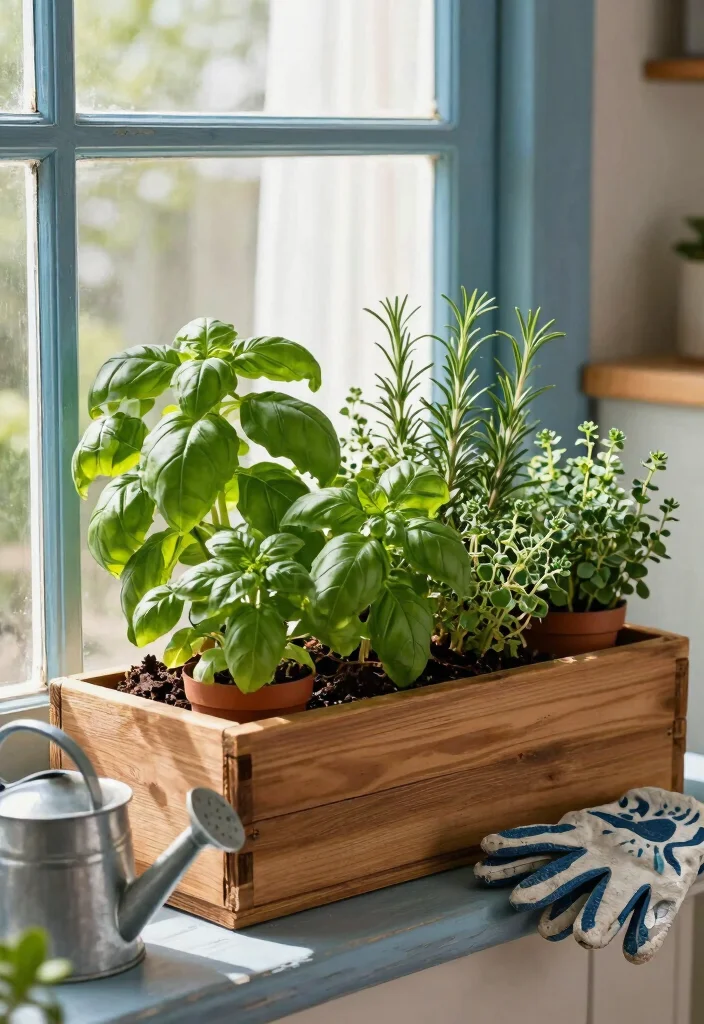
Imagine having fresh herbs at your fingertips, ready to enhance your favorite dishes! Creating a small herb garden in your window box not only brings life to your kitchen but also fills it with delightful aromas. You can grow fragrant herbs like mint, basil, rosemary, and thyme, all thriving in a cozy, sunlit spot. Choosing a deeper window box allows your herbs to develop strong roots, ensuring a bountiful harvest throughout the seasons.
Start by arranging your herbs thoughtfully. Position taller plants like basil at the back, medium herbs like parsley in the middle, and low-growing varieties like thyme at the front for easy access. Use a quality potting mix to ensure good drainage, preventing waterlogging that could harm your plants. Don’t forget to prune regularly; snipping leaves encourages bushier growth and keeps flavors vibrant.
Key steps for your herb garden:
– Choose a deep window box for healthy roots
– Layer herbs by height for a balanced look
– Use quality potting mix for drainage
– Prune to encourage growth and flavor
This herb garden will not only beautify your kitchen but also give you fresh flavors right when you need them, transforming your meals into culinary delights!
2. Vertical Vegetables for Urban Spaces
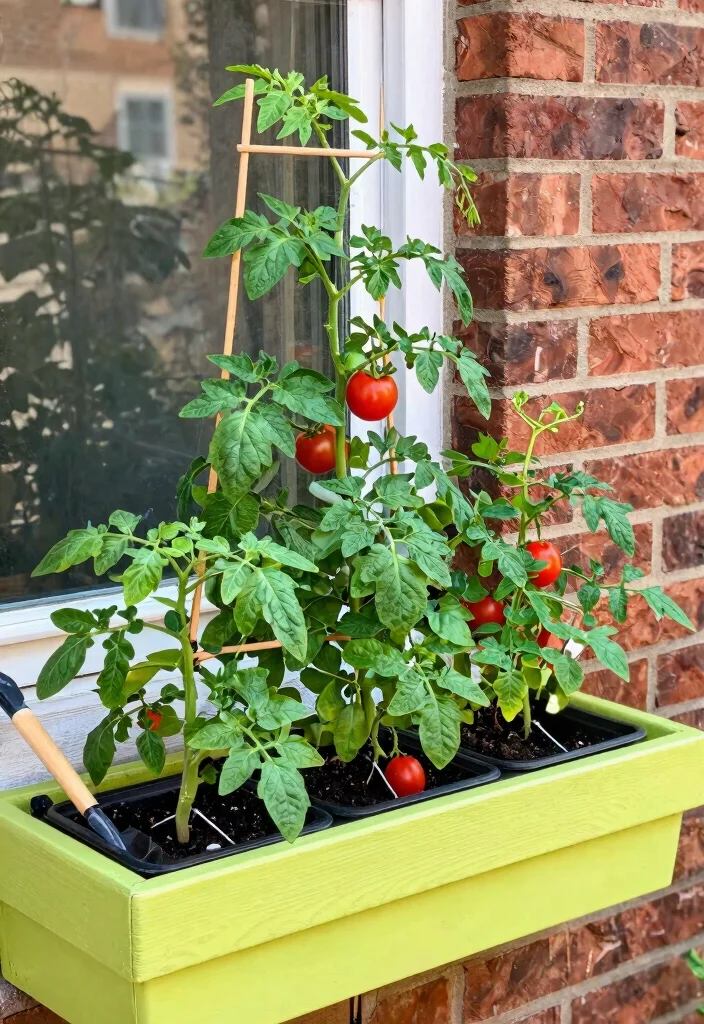
If you’re short on space but love fresh veggies, a vertical garden in your window box is the perfect solution! This setup allows you to maximize your yield without sacrificing precious square footage. Consider growing compact vegetables like cherry tomatoes, radishes, or salad greens. Their upward growth helps create a lush, green display right outside your window.
Select compact plant varieties designed specifically for container gardening, like dwarf tomatoes or patio peppers. Adding trellises to your setup lets climbing plants, such as peas or beans, take advantage of vertical space, adding greenery without clutter. Remember to water diligently; vertical gardens can dry out more quickly, so consider self-watering containers to keep your plants happy.
Steps to create your vertical garden:
– Choose compact vegetable varieties for space efficiency
– Add trellises for climbing plants
– Ensure consistent watering for healthy growth
This engaging setup not only beautifies your window but also provides a continuous supply of fresh vegetables, right at your fingertips!
3. Seasonal Blooms for Year-Round Color
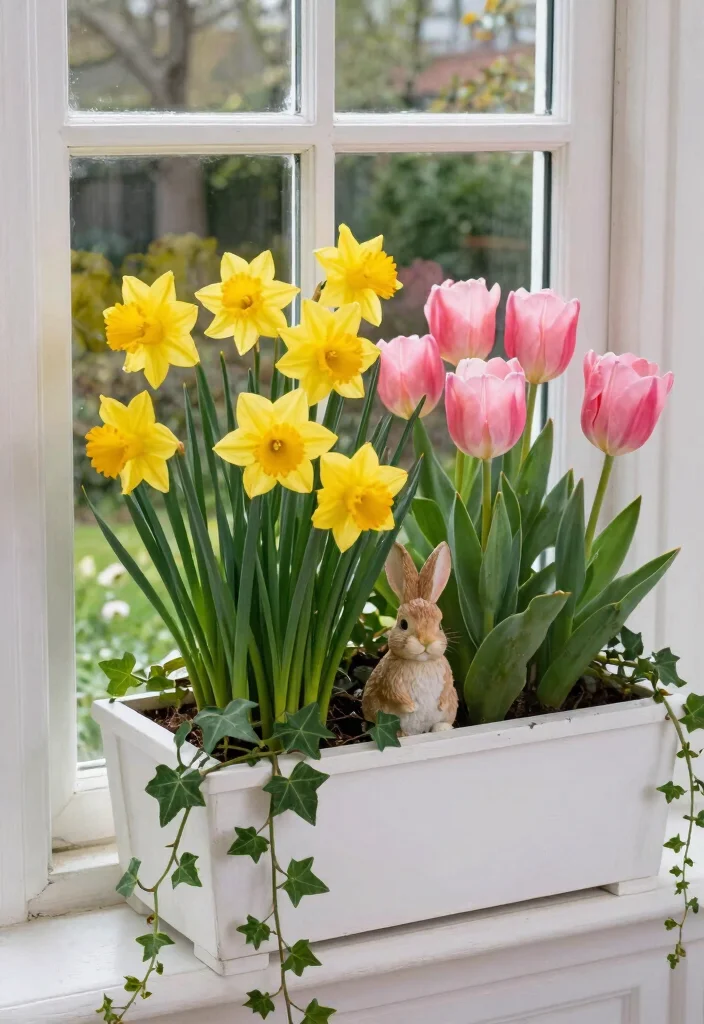
Transform your window box into a vibrant showcase of seasonal blooms! Changing your plants with the seasons allows you to refresh your space and embrace nature’s beauty throughout the year. In spring, daffodils and tulips can brighten your days, while summer brings forth cheerful petunias and marigolds.
Plan your plantings wisely by mixing annuals and perennials to ensure a continuous display of color. Annuals provide instant pops of color, while perennials return year after year, creating a lasting garden. You can also enhance the seasonal vibe by adding decorative elements like pinecones in winter or small pumpkins in fall for a festive touch.
Tips for seasonal blooms:
– Mix annuals and perennials for continuous blooms
– Add seasonal decorations for a festive look
– Use trailing plants for depth and dimension
This colorful display keeps your living space lively and connects you with the changing seasons, bringing joy throughout the year!
4. Succulent Paradise for Low-Maintenance Beauty
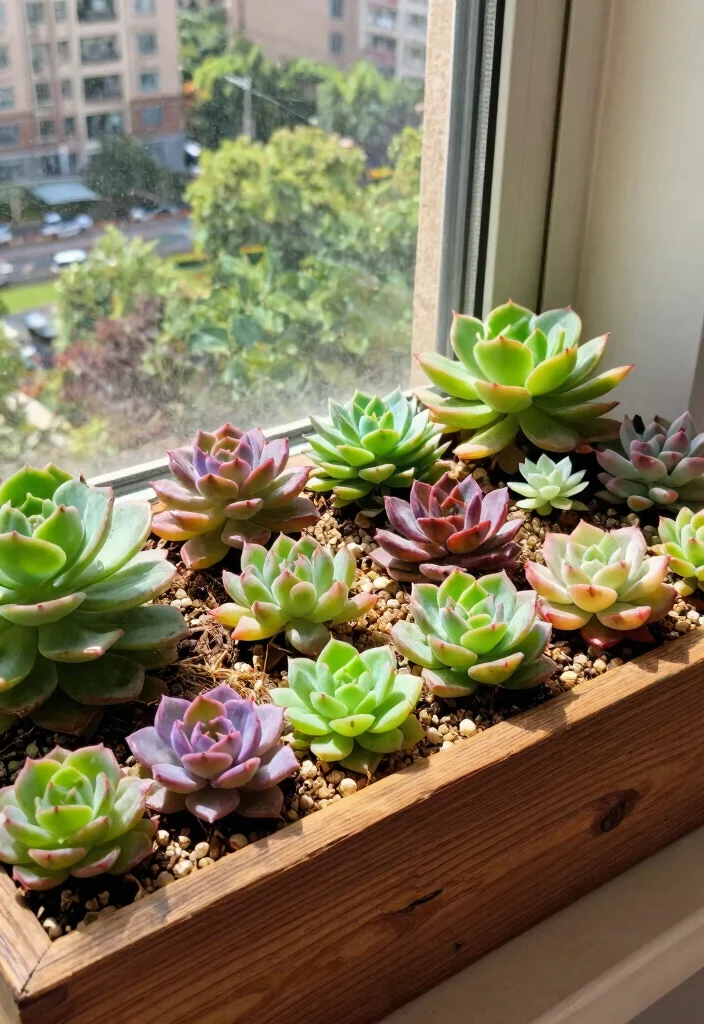
If you’re after a stunning yet low-maintenance option, succulents are your best bet! These hardy plants thrive in sunny spots and require minimal care, making them the perfect choice for small windows. A window box brimming with various succulents can create a beautiful, eye-catching display.
Choose an assortment of different shapes and sizes to add visual interest. Mixing larger rosette-type succulents with trailing varieties creates an appealing contrast. Use a gritty soil mix that ensures proper drainage, as succulents are prone to root rot if overwatered. Limit watering to keep your plants healthy; letting the soil dry out between waterings is key.
Getting started with succulents:
– Select a variety of shapes and sizes for diversity
– Use well-draining soil to prevent rot
– Water sparingly to maintain health
This delightful succulent setup not only beautifies your window but also showcases your unique style, making you the envy of your friends!
5. Edible Flowers for a Unique Touch
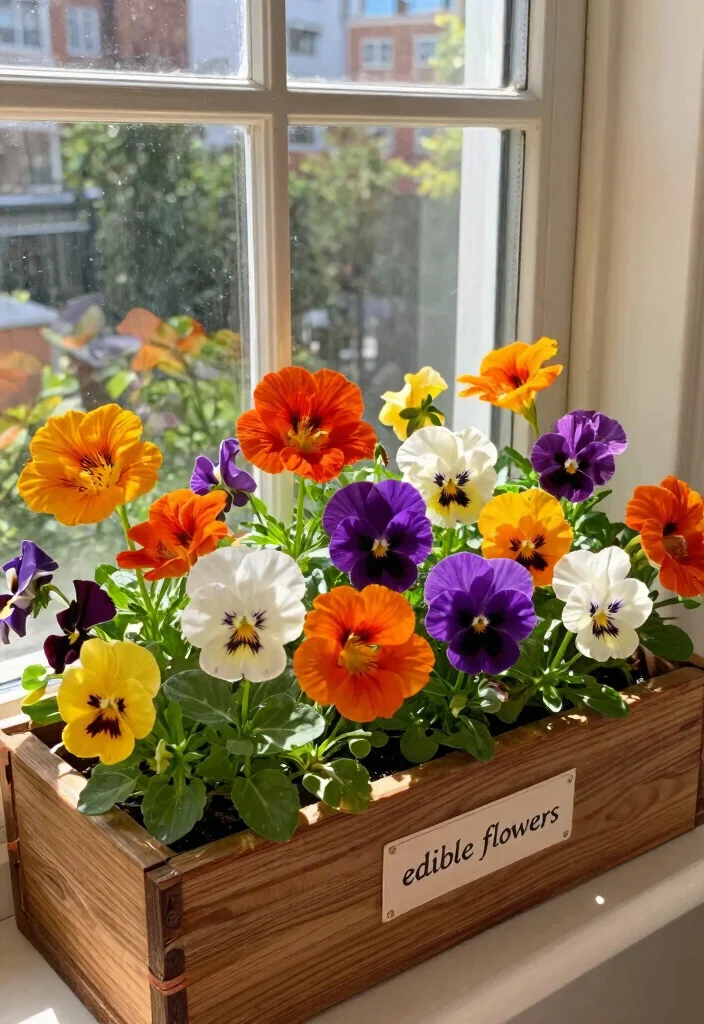
Elevate your dishes with the addition of edible flowers in your window box! Not only do they enhance the visual appeal, but they also bring unique flavors to salads and cocktails. Think of vibrant flowers like nasturtiums, pansies, and calendula that are both beautiful and safe to eat.
Choose a variety of colors and textures to create a stunning floral display. Pairing edible flowers with herbs or vegetables can enhance flavors while naturally deterring pests. When harvesting, only pick flowers grown specifically for consumption, and be sure to wash them thoroughly before adding them to your meals.
Steps to incorporate edible flowers:
– Choose a variety of colors and textures for visual interest
– Pair with herbs for enhanced flavor
– Ensure flowers are clean and safe for eating
With edible flowers, you’ll have a gorgeous spectacle right outside your window, ready to impress anyone who dines with you!
Dimensions & Size Guide
Standard Sizes & Measurements:
When planning your window box for small windows, it’s crucial to understand common sizes. Most window boxes range from 24 inches to 48 inches in length. The width typically varies between 6 inches to 12 inches and the depth can be around 6 to 10 inches. These dimensions are ideal for accommodating a variety of plants without overwhelming the window’s aesthetic.
For a proper fit, ensure that your window box extends at least 2 inches beyond the window sill. This provides drainage and prevents water from running down your wall. Consider a minimum depth of 8 inches for plants with deeper root systems, like herbs or small vegetables. If space allows, opt for a longer window box to create a more visually appealing arrangement.
Quick Reference Table:
Here’s a quick reference for different sizes and their best uses:
Size/Dimension – Best for: [use case], Minimum space needed: [measurement]
– 24 inches – Ideal for small herbs or flowers, Minimum space needed: 26 inches
– 36 inches – Great for medium-sized plants like lettuce or small ornamentals, Minimum space needed: 38 inches
– 48 inches – Perfect for a variety of mixed plants, Minimum space needed: 50 inches
– 12 inches – Compact space for single, tall plants, Minimum space needed: 14 inches
– 10 inches depth – Suited for deeper-rooted plants, Minimum space needed: 12 inches
Space Planning Tips:
1. Measure Twice, Buy Once: Before purchasing or building your window box, measure the window sill’s length and width accurately. Also, consider the depth where you want to place your box. This helps avoid mismatches.
2. Consider Sunlight Exposure: Different plants have varying sunlight needs. Observe how much light your window receives throughout the day to choose plants that will thrive in that environment.
3. Think About Watering: Ensure your window box has good drainage holes. Without proper drainage, plants can drown easily. Plan to water based on the plant needs and the climate in your area.
4. Avoid Overcrowding: While it’s tempting to fill every inch of space, overcrowding can stunt plant growth. Leave some room for air circulation and to allow plants to flourish.
5. Watch for Wind Exposure: If your window faces a windy street or open area, choose sturdier plants or consider windbreaks like decorative lattice to protect your window box from harsh weather.
Pro Tip: The most crucial measurement is ensuring that the width of your window box exceeds the width of your window by at least two inches. This ensures stability and visual appeal, preventing the box from looking cramped against the wall.
6. Minimalist Zen Garden
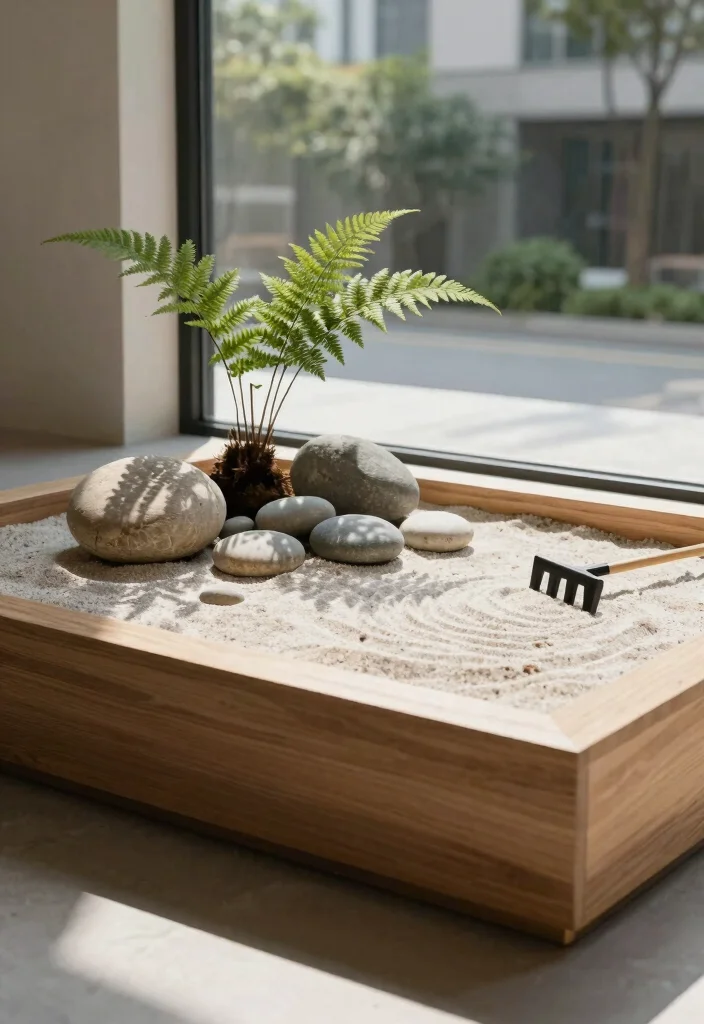
For those who appreciate simplicity, a minimalist zen garden in your window box offers a serene escape. Combining stones, sand, and a few carefully chosen plants creates a peaceful atmosphere that invites reflection. Use a clean-lined container to keep the focus on the natural elements within.
Incorporate natural materials like rocks and pebbles to create texture contrasting with greenery. Mindful arrangements of plants, such as moss or small ferns, can enhance the zen vibe, providing tranquility amid the urban hustle.
Steps to create your zen garden:
– Choose a simple container to highlight your design
– Incorporate natural materials for texture
– Arrange plants mindfully to maintain serenity
This minimalist approach turns your window box into a calming focal point, perfect for quiet moments and meditation.
7. Colorful Annuals for a Pop of Color
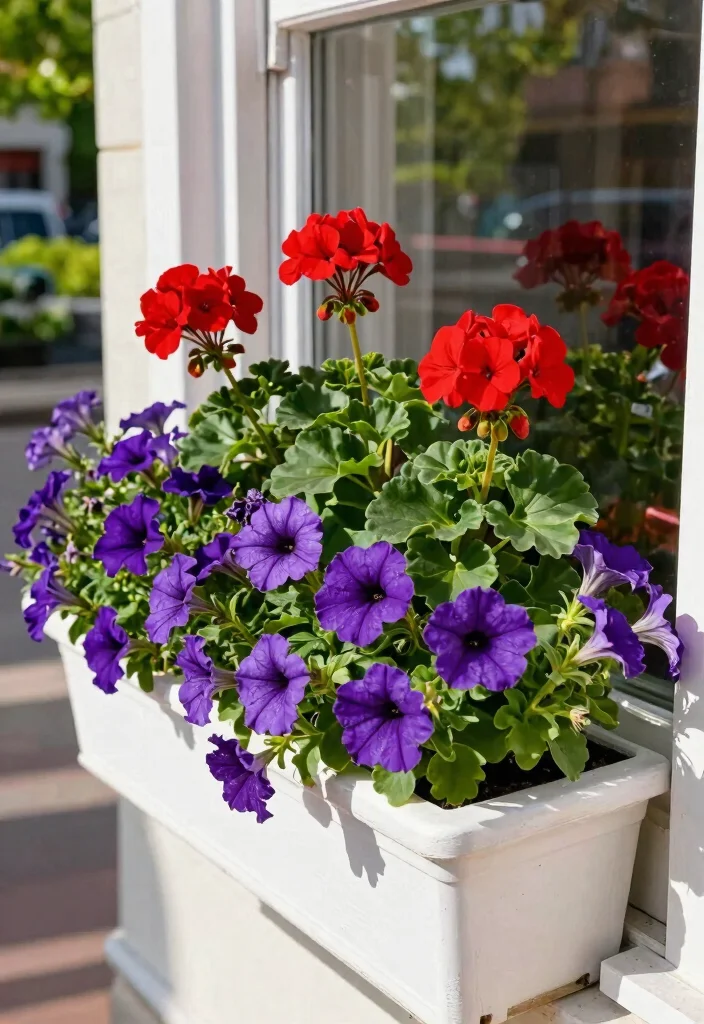
Brighten your space with vibrant annuals in your window box! Flowers such as geraniums, petunias, and snapdragons can create a stunning, colorful display. These plants are perfect for showcasing your love for bright hues and adding cheer to your home.
Pair complementary colors, like purples and yellows or reds and whites, to make each bloom stand out beautifully. Regular deadheading will encourage new blooms throughout the season, keeping your window box fresh and lively. Arrange taller plants in the back and shorter ones in the front for a lush, layered look.
Tips for planting annuals:
– Pair complementary colors for vibrant contrast
– Deadhead regularly for continuous blooms
– Layer plants by height for fullness
This colorful strategy ensures your window box becomes a cheerful attraction, delighting everyone who passes by!
8. Fairy Garden Fantasy
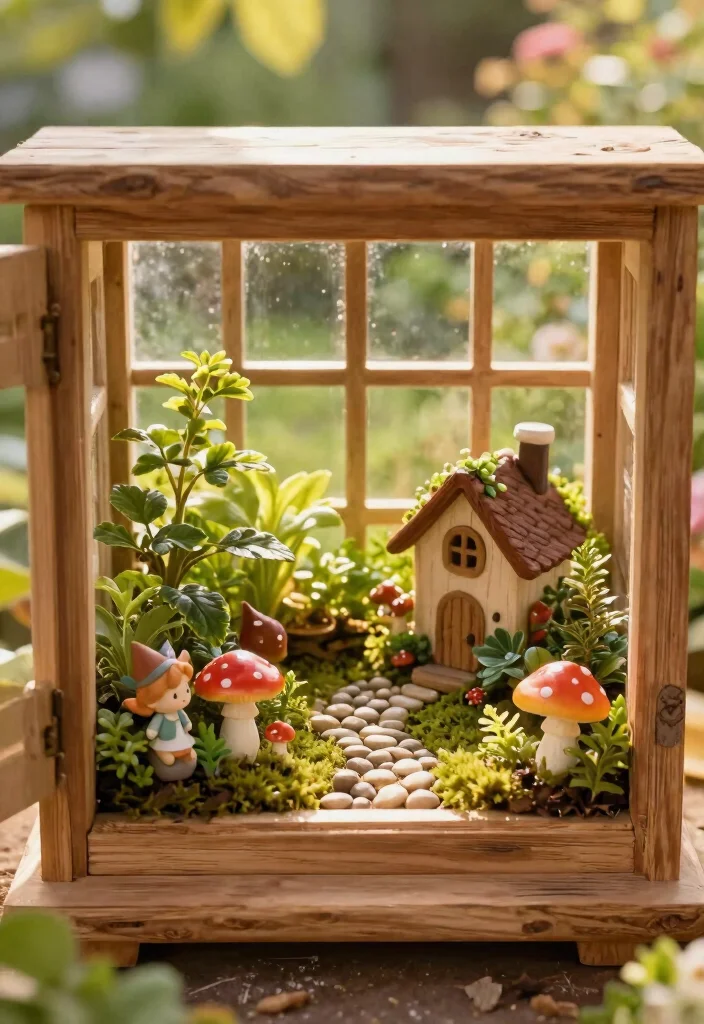
Create a whimsical fairy garden in your window box to bring charm and magic to your space! Tiny plants, miniature decorations, and little figurines can transport you to a fantasy world right at home.
Choose small plants like dwarf varieties or ground covers that mimic a natural forest setting. Adding miniature houses, fairy figurines, or tiny furniture can help craft an enchanting scene. Use small pebbles or colored sand to create pathways, guiding viewers through your magical garden.
Steps to build your fairy garden:
– Select small plants for a forest-like feel
– Incorporate miniatures to enhance the fantasy
– Create pathways with pebbles for visual interest
This playful idea sparks creativity and offers a delightful visual experience every time you glance at it!
Fun fact: window box ideas for small windows can spark wonder—a tiny fairy garden can make urban space feel 30% larger by creating a whimsical focal point. Use dwarf varieties and miniature décor to spark imagination and turn everyday windows into a magical retreat.
9. Rustic Blooms with a Touch of Old World Charm
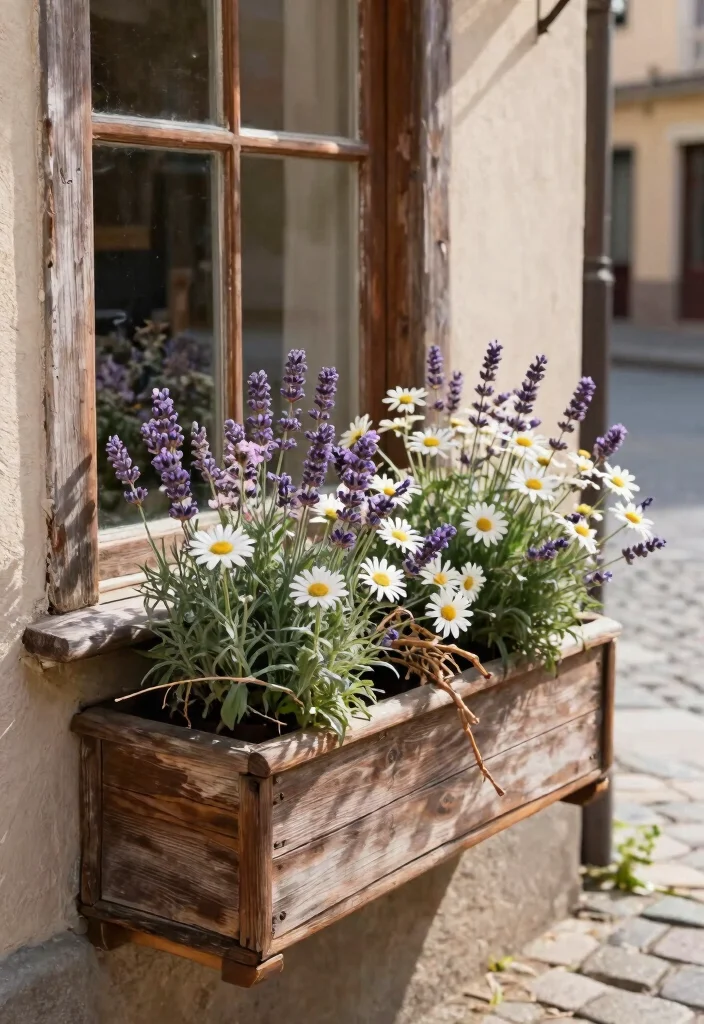
For a charming rustic look, fill your window box with soft-toned flowers like lavender, daisies, and yarrow. Incorporating old-world elements like vintage-style tin or weathered wood enhances the nostalgic aesthetic. Soft pastels create a dreamy vibe that invites warmth and comfort into your space.
Combine flowers with varying leaf shapes and heights for a fuller appearance, creating visual interest. Adding natural accents like twigs or dried flowers can enhance the rustic theme, making your box a true reflection of countryside charm.
Tips for achieving rustic blooms:
– Select soft pastels for a cozy vibe
– Mix flowers with varied textures for depth
– Add natural elements for rustic charm
This approach transforms your window into a picturesque scene reminiscent of a classic countryside home, bringing a touch of serenity to your urban environment!
Tiny spaces can bloom brilliantly. In your window box, mix lavender, daisies, and yarrow, then layer leaf shapes and heights for depth, adding a vintage tin or weathered wood for old-world charm. It’s practical, scalable, and instantly cozy for window box ideas for small windows.
10. Geometric Designs for Modern Appeal
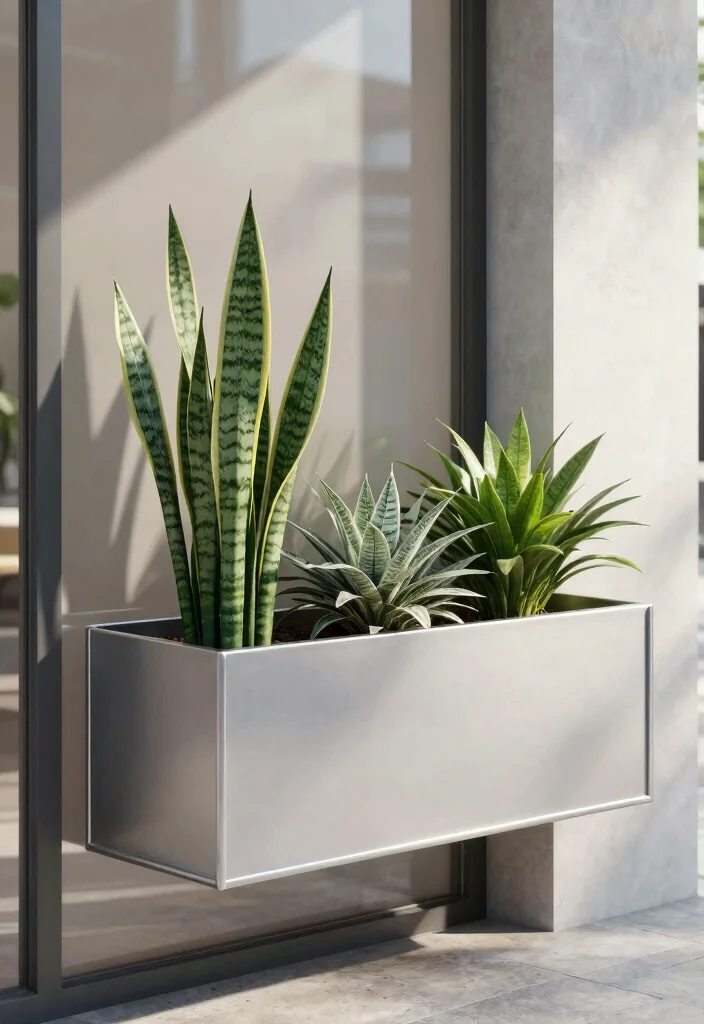
A sleek, geometric window box can add a modern flair to your living space! Using angular containers made from metal or plastic creates a striking and sophisticated look. Fill these boxes with contemporary plants like snake plants or ZZ plants, enhancing the modern aesthetic.
Stick to a monochromatic color scheme to maintain visual harmony throughout your design. Choosing plants with similar shapes creates cohesion, while varying their heights keeps the arrangement interesting.
Tips for modern designs:
– Use a monochromatic palette for sophistication
– Select plants with similar shapes for unity
– Vary heights for visual intrigue
This modern design elevates your window, making it a stunning statement piece that reflects your personal style!
11. Colorful Bouquets with a Personal Touch
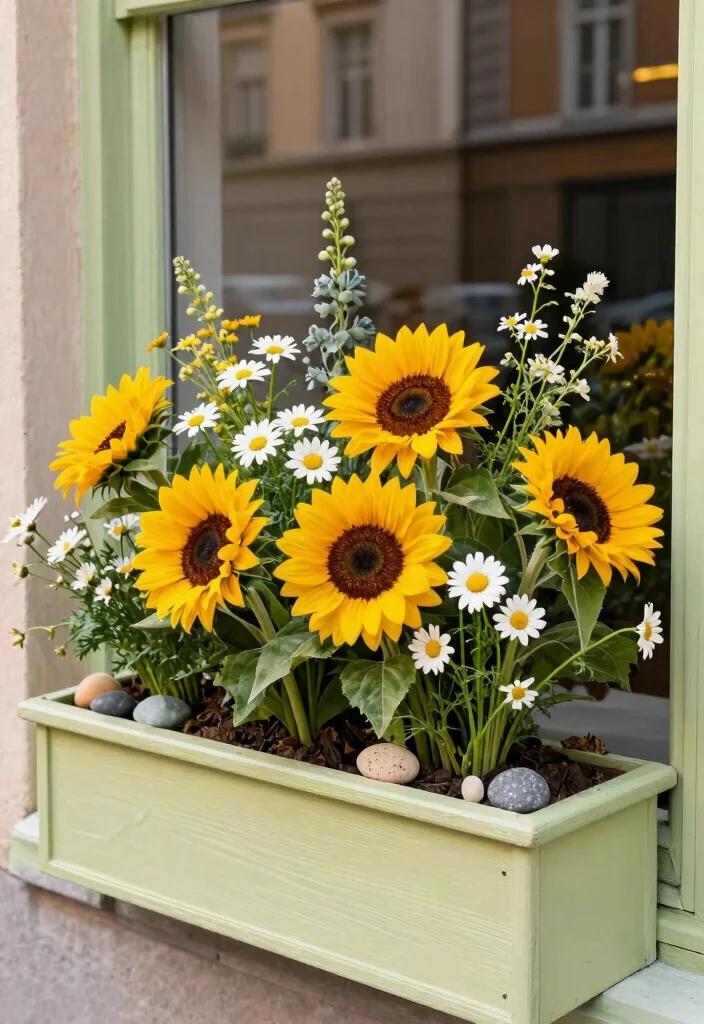
Why not showcase beautiful bouquets that reflect your personality in your window box? You can find flowers at local markets or even grow your own! Mixing colors and sizes can create an inviting display that captures attention.
Use varied heights, combining tall sunflowers with shorter daisies for a layered look. Personalize your bouquets with small items like stones or decorative pieces that resonate with you, adding a unique flair. Changing your bouquets with the seasons keeps your window fresh and engaging.
Steps for colorful bouquets:
– Mix heights for visual layers
– Add personal accents for uniqueness
– Swap arrangements with the seasons for freshness
This idea allows you to express your style while creating a warm, welcoming atmosphere that invites conversation!
Did you know that a 3-plant bouquet in a sunny window can create a layered, eye-catching display? With window box ideas for small windows, mix colors, heights, and a few personal touches to keep every season fresh.
12. Butterfly Garden for Pollinator Attraction
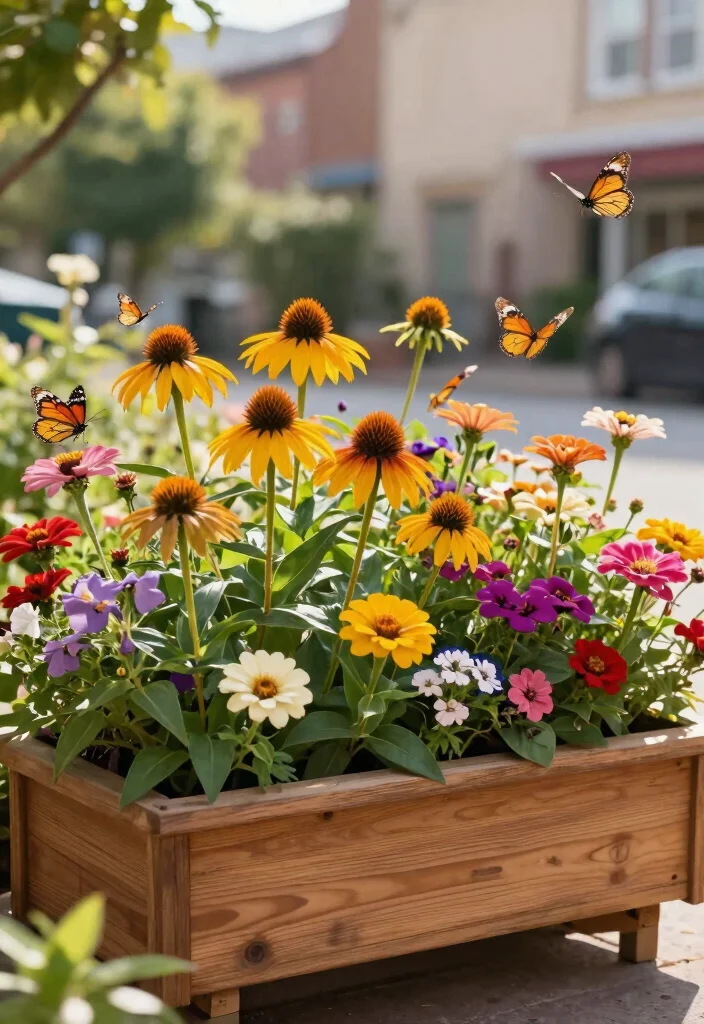
Create a butterfly garden in your window box to attract beautiful pollinators! Fill it with flowers that butterflies adore, like milkweed, coneflowers, and zinnias. This setup not only enhances your window but also supports local wildlife.
Choose nectar-rich flowers that provide food for butterflies and bees, fostering a mini ecosystem right outside your home. Ensure your box gets plenty of sunlight, as butterflies love sunny spots. Limit pesticide use to keep your pollinators safe and thriving.
How to make a butterfly-friendly garden:
– Select nectar-rich flowers for pollinators
– Ensure ample sun exposure for butterflies
– Avoid pesticides to protect wildlife
This delightful setup brings beauty to your window while supporting the environment, turning your space into a haven for butterflies!
13. DIY Decor with Upcycled Materials
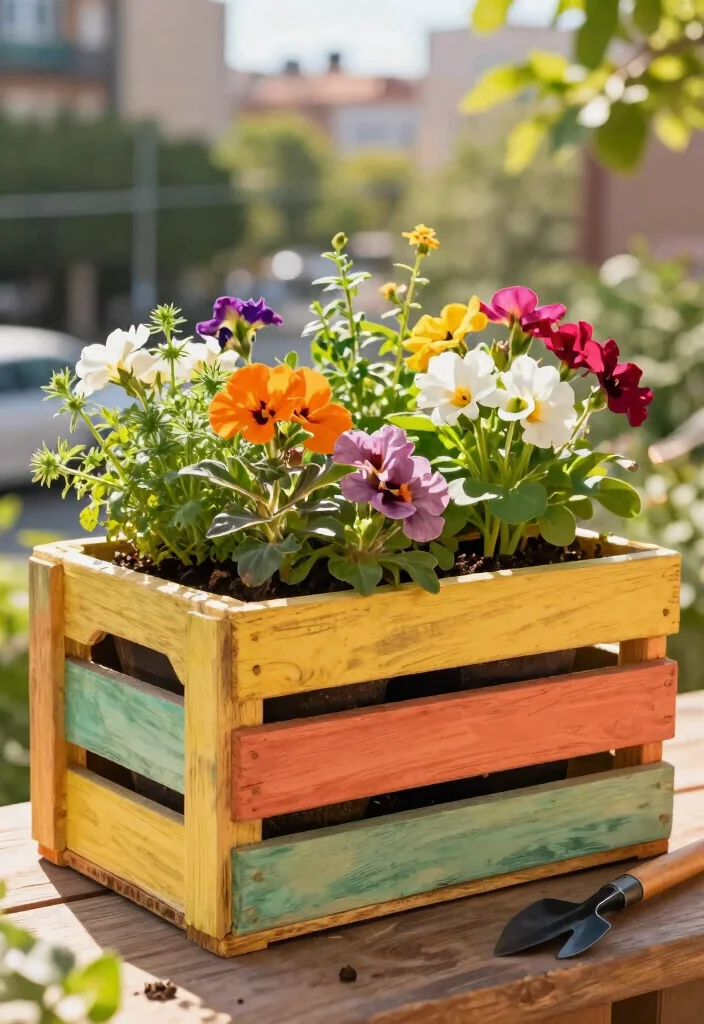
Get creative by crafting unique window boxes from upcycled materials! Old wooden crates, tin cans, or repurposed gutters can become charming containers for your plants. This DIY approach not only adds character but also promotes sustainability.
Choose materials that are clean and suitable for holding soil and plants. Personalize your designs with paint or stencils that reflect your style and creativity. Ensure proper drainage by making holes at the bottom to allow excess water to escape.
Steps for your DIY window box:
– Select clean materials suitable for plants
– Personalize designs to reflect your style
– Make drainage holes for healthy plants
This approach not only enhances your window’s charm but also makes your gardening experience more rewarding and eco-friendly!
Conclusion
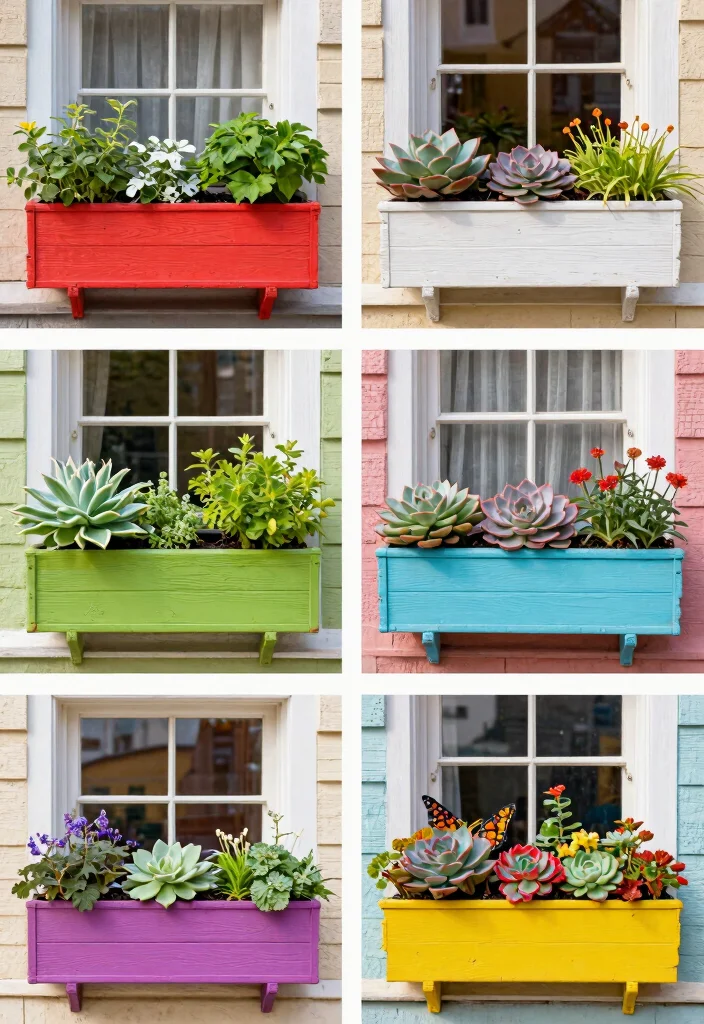
With these 13 clever window box ideas, you can create stunning displays that enhance small windows in any urban setting. Each idea brings unique charm, from edible gardens to vibrant floral arrangements. Remember, the possibilities are endless, and your creativity is the only limit! Don’t hesitate to mix and match these concepts, and watch how your small space transforms into a green oasis, attracting admiration and joy from all who pass by.
Note: We aim to provide accurate product links, but some may occasionally expire or become unavailable. If this happens, please search directly on Amazon for the product or a suitable alternative.
This post contains Amazon affiliate links, meaning we may earn a small commission if you purchase through our links, at no extra cost to you.
Frequently Asked Questions
What are the best window box ideas for small windows to maximize space?
To maximize space with window box ideas for small windows, start with shallow, lightweight boxes that fit your sill or railing.
Use railing planters or wall-mounted troughs to avoid crowding floor space while keeping light unobstructed.
Think vertically with a tiered box or staggered configurations to multiply growing area.
Choose compact, balcony-friendly plants: herbs like basil, thyme, and oregano; leafy greens such as lettuce, spinach, and baby kale; and compact flowers for color like calibrachoa and lobelia.
For sunny spots pair sun-loving herbs with bright flowers; for shade, opt for shade-tolerant greens and flowers such as impatiens or begonias.
To prevent crowding, limit each box to 2–3 plants and group by similar sun needs. If you want flexibility, try modular inserts you can rearrange as the season shifts.
These window box ideas for small windows can dramatically boost your urban gardening solutions.
How can I scale window box ideas for very small or irregular window frames?
Scale window box ideas for very small or irregular window frames by using modular planters, adjustable brackets, and railing-friendly designs.
Look for boxes with interchangeable sections that fit odd widths and corners.
Install a small trellis or lattice to run vertical gardening ideas upward along the wall, creating a living screen without taking floor space.
Place 1–2 compact plants per box and stagger them front-to-back so light reaches every plant. Use back-to-back boxes or a row of narrow troughs to fill awkward gaps.
Pair the setup with weatherproof mounting hardware and a simple drip or self-watering system to reduce daily maintenance.
Even with irregular frames, these window box ideas for small windows can adapt and keep your balcony lively.
Which plants perform best in window boxes for small spaces and how should I group them?
Which plants perform best in window boxes for small spaces and how should I group them? In general, group plants with similar sun and water needs and place taller specimens at the back of the box so everything gets light.
For full sun windows, try basil, thyme, oregano, and other herbs alongside compact annuals like calibrachoa or lobelia; add a few leafy greens such as lettuce or baby kale for quick harvests.
For partial sun, parsley or cilantro with shallow-rooted flowers works well. For shade, go with impatiens, begonias, and smaller leafy greens.
Aim for 2–3 plants per box (or 4 for very roomy ones) to avoid crowding and disease. Use color-coordinated combos to keep the look cohesive and use container gardening tips to keep soil evenly moist and well-drained.
These ideas align with small space gardening and container gardening tips and vertical gardening ideas in urban spaces.
What are practical tips for watering and maintenance in urban container gardening?
What are practical tips for watering and maintenance in urban container gardening? Start with a high-quality potting mix that retains moisture but drains well, and add a drainage layer at the bottom.
Use containers with drainage holes and a tray underneath to catch runoff. Water early morning and after work on hot days, aiming to keep soil consistently moist but not soggy; in hot weather, check soil daily.
Consider self-watering planters or a simple drip irrigation kit to reduce routine care. Feed every 4–6 weeks with a balanced liquid fertilizer for leafy greens and herbs. Deadhead spent flowers and pinch back leggy growth to encourage bushier plants.
In urban gardening solutions, humidity and heat can stress plants, so monitor for pests and adjust watering accordingly.
How can I decorate and secure window boxes for style and safety in small urban spaces?
How can I decorate and secure window boxes for style and safety in small urban spaces? Start with decorative window boxes that complement your home’s color and architectural style.
Choose lightweight materials like resin or composite for easy handling, or wood with proper sealing for longevity. Use a cohesive color palette and repeat plant traits (greens, purples, or yellows) for visual harmony.
Secure boxes with sturdy brackets or screws to the wall or railing and add anti-tip devices if wind is a concern on higher floors. Leave enough clearance so light isn’t blocked and avoid overcrowding the sill.
For extra impact, add a vertical element like a lightweight trellis or trailing plants to emphasize height without crowding. These decorative strategies fit decorative window boxes and urban gardening solutions while keeping your space safe and stylish.

![15 Best Spring Window Box Planting Ideas [Early Blooms]](https://snugfelt.com/wp-content/uploads/2026/04/15-Best-Spring-Window-Box-Planting-Ideas-Early-Blooms-150x150.webp)