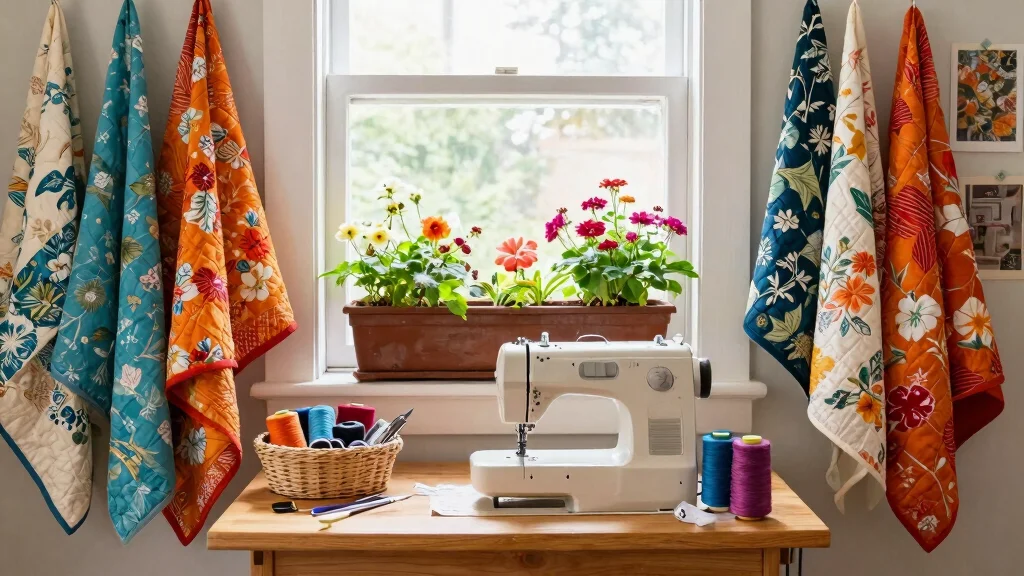
There’s something special about the combination of gardening and sewing, especially when it comes to creating delightful window box quilts. If you’ve been feeling inspired to combine your love for gardening with your passion for sewing, you’re not alone! I’ve been on a quest for creative window box quilt ideas lately, and I can’t wait to share my findings with you. This post is dedicated to those who appreciate the beauty of outdoor decor and enjoy adding a personal touch to their garden spaces.
If you’re someone who loves sewing crafts, gardening, or simply wants to make your outdoor areas more inviting, this one’s for you. Whether you’re a seasoned quilter or a curious beginner, there’s something in here for everyone. I’ve pulled together seven quilt ideas that are not only visually appealing but also practical and sustainable. Each idea reflects nature’s charm and offers a chance to express your creativity while using eco-friendly fabric choices.
By the end of this post, you’ll have plenty of inspiration for your next sewing project. From vibrant floral patchwork to whimsical garden motifs, these window box quilt ideas will add charm to your gardening setup. Let’s dive into these creative sewing projects that will make your window boxes truly shine!
Key Takeaways
– Explore Creative Patterns: Discover quilt patterns that capture the essence of gardening, like floral designs and earthy tones, perfect for window box decor.
– Sustainable Fabric Choices: Learn about eco-friendly fabric options you can use for your quilting projects, ensuring your creations are both beautiful and sustainable.
– Add Seasonal Themes: Get ideas on how to incorporate seasonal themes into your quilts, making them adaptable for year-round enjoyment.
– Functional Designs: Find out how quilted garden bags can serve multiple purposes, offering both style and utility in your gardening endeavors.
– Inspiration from Nature: Embrace nature-inspired color blocking and motifs that reflect the beauty of your garden, enhancing the overall aesthetic of your outdoor space.
1. Vibrant Floral Patchwork
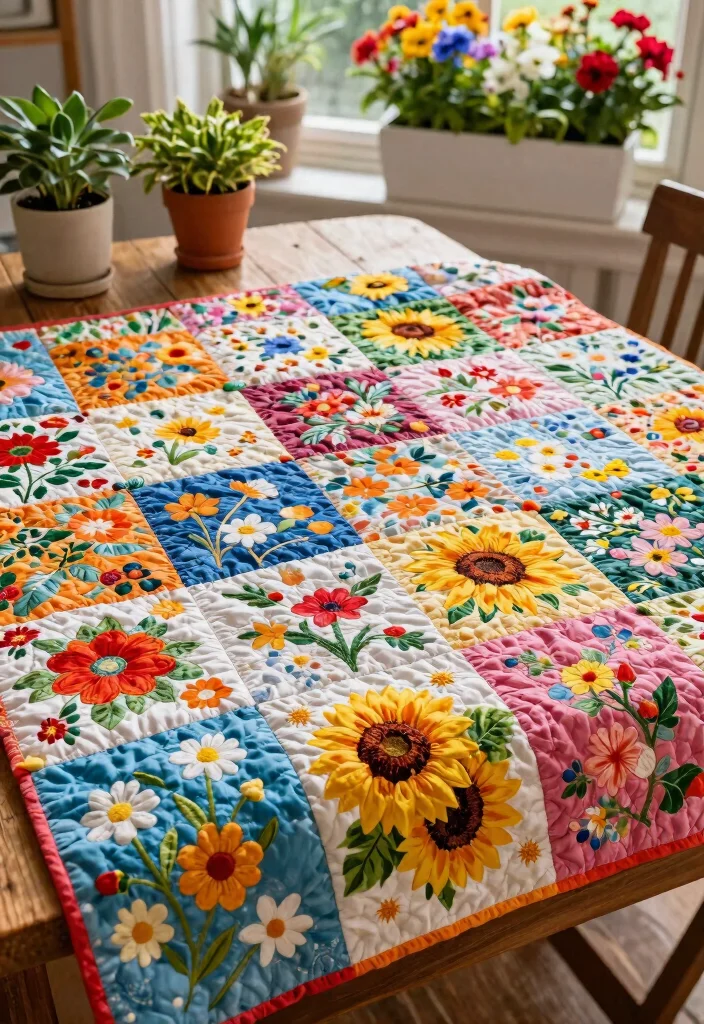
Brighten your home with a vibrant floral patchwork quilt that celebrates nature’s beauty. This stunning quilt can create a colorful focal point for any room, seamlessly blending indoor and outdoor aesthetics. Imagine bold fabrics featuring sunflowers, poppies, and daisies, stitched together in a delightful arrangement that radiates joy. With sustainable materials like organic cotton or hemp, you can craft a quilt that’s as eco-friendly as it is beautiful.
To bring your floral patchwork to life, start by selecting a range of floral patterns that harmonize. Opt for a straightforward design like squares or triangles to keep your project manageable. You can also add appliqué flowers for a unique touch and depth. Using a lightweight batting will ensure your quilt remains airy and perfect for those warmer days.
Key steps for creating a floral patchwork:
– Choose a variety of floral prints that complement each other.
– Use a simple quilt pattern like squares or triangles to keep it manageable.
– Consider adding some appliqué flowers for added depth and texture.
– Use a lightweight batting to keep it airy for warmer months.
This quilt will be a captivating addition to your home, inviting you to cozy up with your favorite book amid your cherished plants.
Fun fact: 70% of window box quilt ideas inspired by vibrant florals use organic cotton or hemp, boosting colorfastness and longevity. When you stitch with sustainable fabrics, your indoor-outdoor patchwork stays bright for years.
2. Earthy Tones and Textures
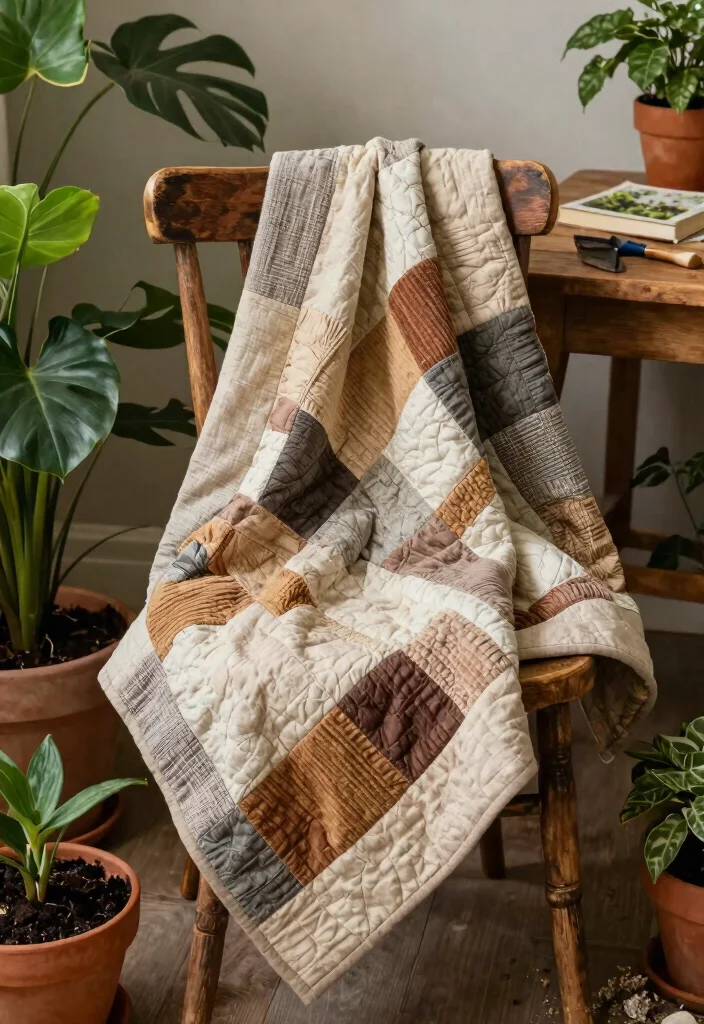
If you lean towards a more muted aesthetic, consider crafting a quilt with earthy tones and rich textures. This design mirrors the serene beauty of your outdoor window boxes, evoking the natural elements of soil and greenery. Soft browns, deep greens, and gentle reds create a calming ambiance that soothes the spirit. Fabrics like linen or bamboo not only enhance the rustic look but are also eco-friendly choices.
To create an earthy tone quilt, mix various textures for added depth, such as corduroy or burlap alongside cotton. Keep your quilt design simple to showcase the fabric, perhaps with a patchwork of large squares. Adding hand-stitching or embroidery will give it a personal touch that makes it truly yours.
Essential tips for creating earthy tone quilts:
– Combine different textures for depth, such as corduroy or burlap alongside cotton.
– Use simple quilt designs to highlight the fabric, like a patchwork of large squares.
– Add some hand-stitching or embroidery to create a personal touch.
This earthy quilt will beautifully complement your outdoor décor, enhancing any cozy nook by your window.
Earthy tones are my secret to a calm sewing corner. Start with linen or bamboo, mix textured fabrics for depth, and your window box quilt will feel soft, sustainable, and ready to display.
3. Whimsical Garden Motifs
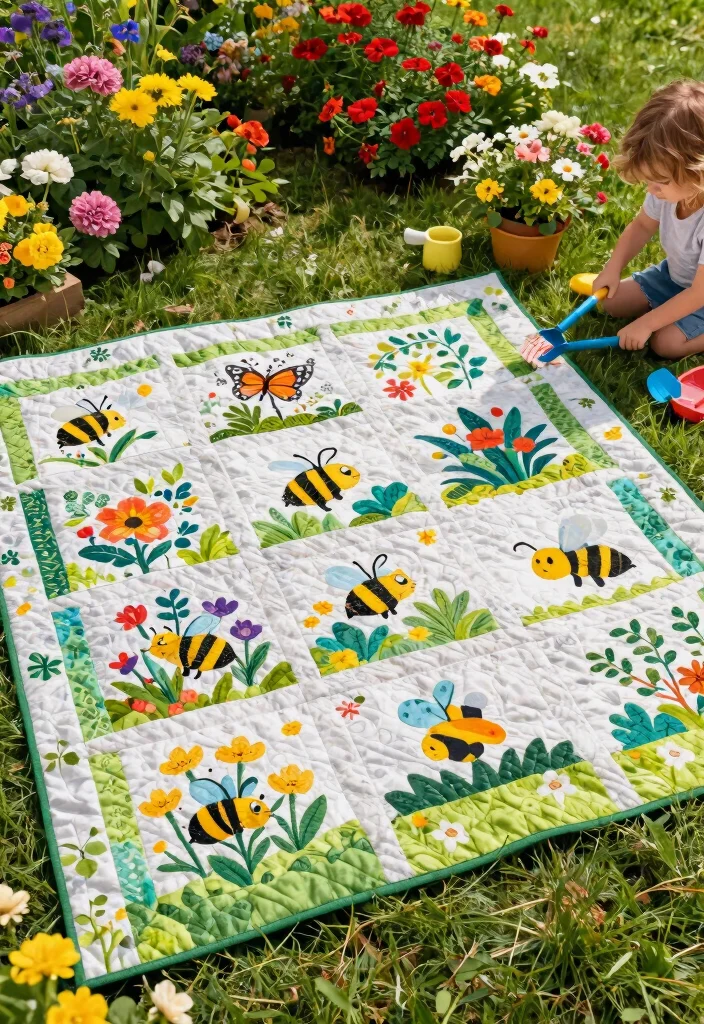
Infuse your living space with charm through whimsical garden motifs on your quilts. Picture playful designs featuring bumblebees, butterflies, and cheerful plants that can spark joy and wonder. These delightful motifs not only add character but also serve as an engaging way to teach children about nature. Using soft organic cotton ensures a cozy feel that’s perfect for little ones snuggling up.
To create whimsical quilts, use fabric paint or patches that tell a story with unique designs. Bright colors will enhance the playful vibe, making your quilt a cheerful addition to any room. Consider a rag quilt technique that softens edges for a relaxed, casual look.
Steps to create whimsical quilts:
– Use fabric paint or patches to add unique designs that tell a story.
– Incorporate bright colors to enhance the playful feel.
– Consider using a rag quilt technique that softens edges for a more casual look.
A whimsical quilt creates a friendly atmosphere, making it a delightful accent for family rooms or children’s spaces.
4. Nature-Inspired Color Blocking
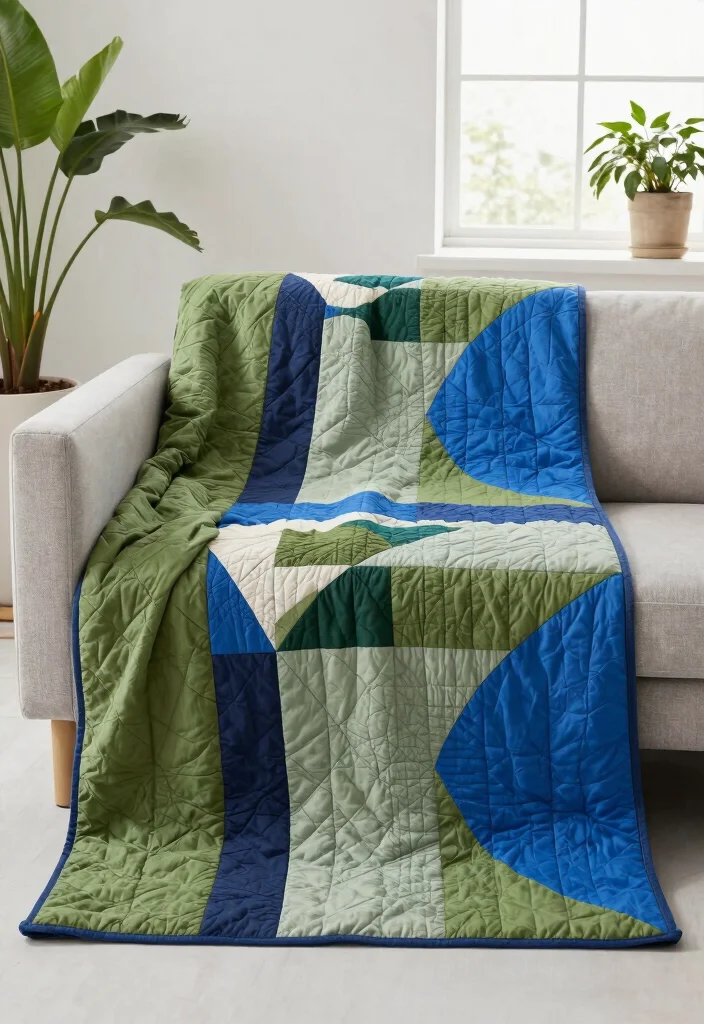
For a modern flair, explore the beauty of nature-inspired color blocking in your quilting projects. This style invites you to experiment with bold colors and geometric shapes that evoke the essence of your favorite plants. Choose colors that reflect the seasons—think soft pastels for spring or rich jewel tones for fall. By using sustainable dyeing techniques, your quilt can be both stylish and environmentally conscious.
When creating color block quilts, select a palette inspired by the plants in your window boxes. Experiment with geometric shapes to craft an eye-catching design. You might also try free motion quilting to add a personal touch and flair to your work.
Key tips for creating color block quilts:
– Select a palette inspired by the plants in your window boxes.
– Experiment with geometric shapes to create an eye-catching design.
– Try out different quilting techniques like free motion quilting to add flair.
This contemporary quilt style will surely become a statement piece in your home, merging your passion for gardening with modern design elements.
5. Seasonal Themes
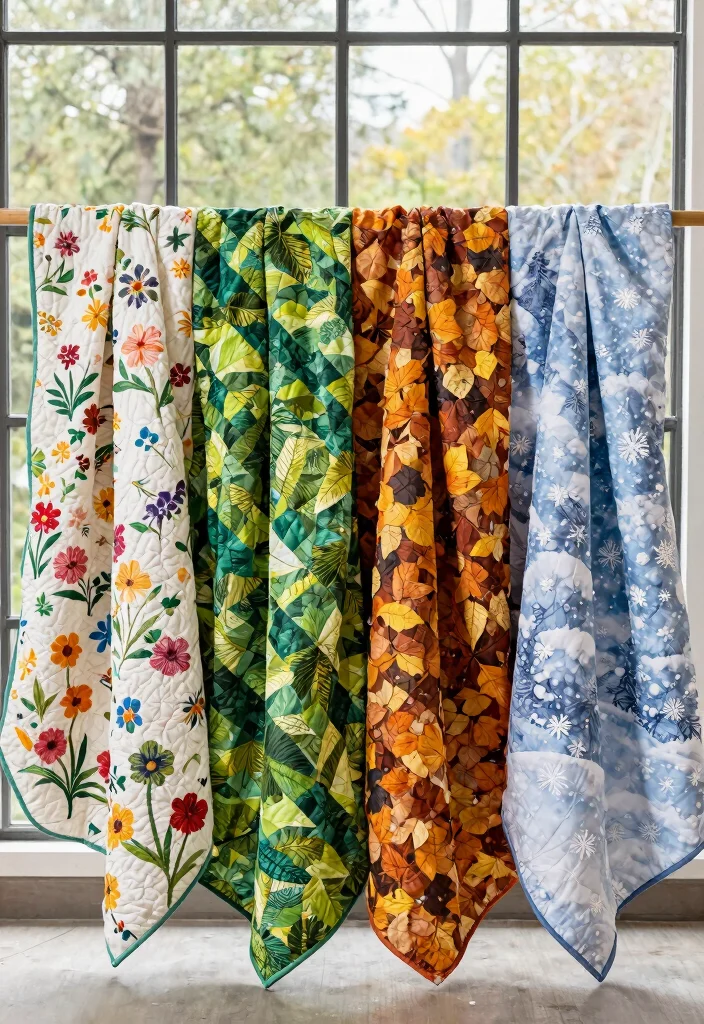
Celebrate the changing seasons with quilts designed around seasonal themes. Imagine a stunning spring quilt adorned with blossoms, a vibrant summer quilt that showcases lush greens, and an autumn quilt that captures falling leaves. A winter quilt featuring snowy landscapes can bring warmth to the cold months. This approach allows you to refresh your decor as the seasons change, creating a lively atmosphere in your home. Choose sustainable materials to feel good about your choices while embracing nature’s cycles.
For seasonal quilts, focus on colors and motifs that reflect each season’s charm. If you plan to take your quilt outdoors, consider using weatherproof fabrics. You can also create smaller quilted items, like table runners or pillows, to complement your larger quilt.
Steps for creating seasonal quilts:
– Focus on colors and motifs that reflect the seasons.
– Consider using weatherproof fabrics if you want to take your quilt outdoors.
– Create smaller quilted table runners or pillows that can complement your larger quilt.
Seasonal quilts keep your home in tune with nature, enhancing your indoor space with the rhythm of the outdoors.
6. Recycled Fabric Quilts
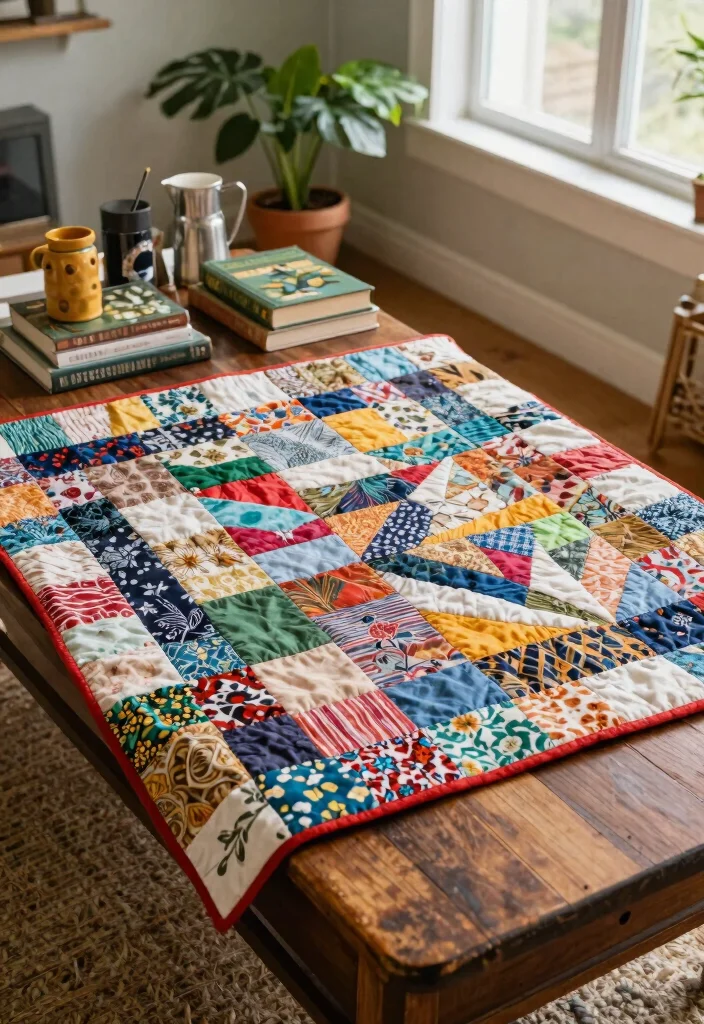
Embrace the art of sustainability by crafting quilts from recycled fabrics. This approach reduces waste while allowing for a vibrant mix of patterns and styles sourced from various materials. Imagine incorporating old shirts, curtains, and linens into a stunning patchwork design. Each quilt becomes a unique piece with personal stories, making it a cherished addition to your home.
To create quilts with recycled fabrics, gather an assortment of materials that resonate with you. Mix and match different patterns and textures for a fun, eclectic look. Be sure to thoroughly clean and pre-wash the fabrics to prevent any shrinkage before sewing.
Essential tips for creating quilts with recycled fabrics:
– Gather an assortment of fabrics that you love and feel connected to.
– Mix and match different patterns and textures for a fun, bohemian look.
– Ensure the fabrics are thoroughly cleaned and pre-washed to avoid any shrinkage.
A quilt made from recycled fabric not only adds charm but also tells a story, making it a perfect conversation piece in your home.
Did you know upcycling old fabrics can cut textile waste by 60%? Create window box quilt ideas by mixing shirts, curtains, and linens into a vibrant patchwork, it’s sustainable, personal, and wonderfully practical.
7. Quilted Garden Bags
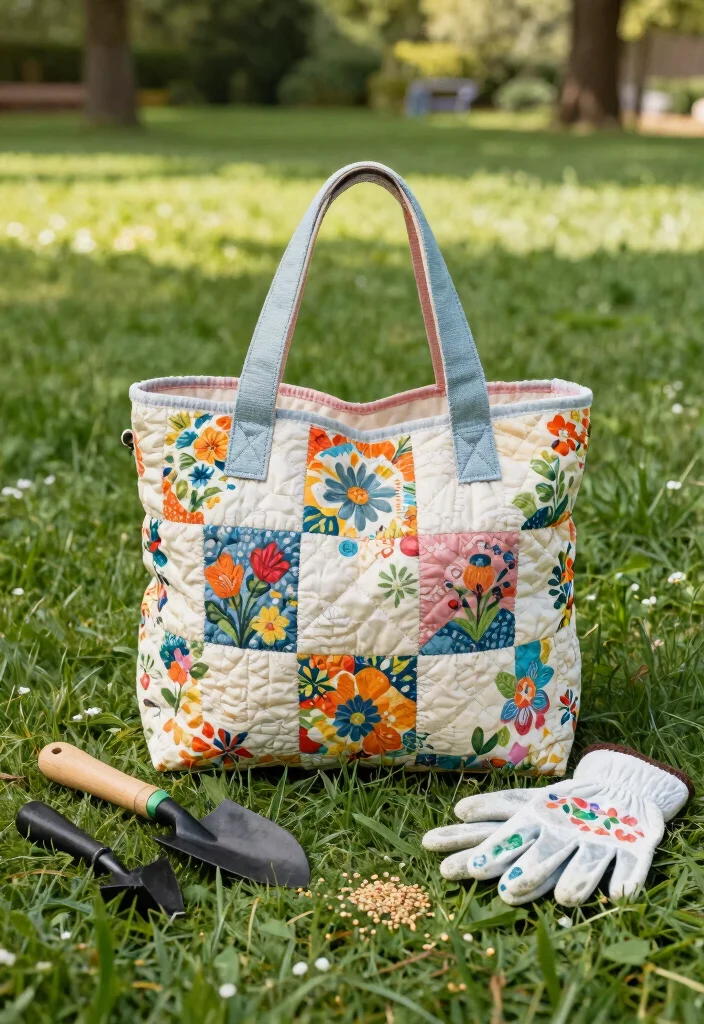
Extend your quilting passion beyond just quilts by crafting quilted garden bags. These versatile bags can hold gardening tools, carry plants, or even serve as stylish decorative pieces in your home. Using the same sustainable fabrics and patterns from your quilts creates a cohesive look that enhances your gardening and outdoor decor. Whether you choose a sturdy tote or a chic satchel, quilted garden bags combine flair with function.
When making quilted bags, select robust fabrics that can endure outdoor elements. Incorporate pockets for tools and accessories, helping you stay organized while gardening. Use colorful designs that match your window box themes for a cohesive aesthetic.
Key steps for making quilted bags:
– Choose sturdy fabrics that can withstand outdoor elements.
– Incorporate pockets for tools and accessories to keep everything organized.
– Use colorful designs to match your window box themes.
These bags not only elevate your gardening routine but also showcase your sewing skills in a practical, stylish way.
How To Choose Sustainable Fabrics for Your Window Box Quilt Ideas
Choosing the right fabrics for your window box quilt projects is key to ensuring a successful and enjoyable sewing experience. With the focus on sustainability, you can also create something beautiful for your outdoor decor while being environmentally conscious. Here are some factors to consider when selecting fabrics for your quilt.
1. Fabric Type:
Look for materials that are organic and eco-friendly, such as organic cotton or linen. You might also consider fabrics made from recycled materials. These types not only reduce waste but also offer unique textures and patterns that can enhance your quilt designs. Check that any fabric you choose aligns with your environmental values.
2. Color and Pattern:
Think about the colors and patterns that will complement your garden’s aesthetics. Bright florals or earthy tones can bring vibrancy to your window box. Consider seasonal themes, like pastels for spring or rich reds and golds for fall. The right color palette can evoke feelings and enhance the outdoor space around your window box.
3. Durability:
Since your quilt will be outdoors, select fabrics that can withstand the elements. Look for materials that are resistant to fading, mold, and mildew. This will help your quilt maintain its beauty and integrity over time. Checking the fabric’s care instructions can also give you insight into its longevity.
4. Texture:
Consider the textures that will work well together. Mixing smooth and textured fabrics can create depth and interest in your quilt. Denim, for instance, pairs well with softer cottons. The tactile experience of your quilt can also enhance its appeal, making it more inviting when placed in your garden area.
5. Environmental Impact:
Research the fabric manufacturers to ensure they use sustainable practices. This includes how the materials are sourced, dyed, and processed. Supporting companies that prioritize eco-friendly methods can make your project even more meaningful. Look for certifications like GOTS (Global Organic Textile Standard) or OEKO-TEX to ensure high sustainability standards.
6. Budget:
Set a budget for your fabric purchases. Sustainable fabrics can sometimes cost more, but consider them as an investment in quality and the planet. Look for sales or consider fabric remnants to help save money while still selecting eco-friendly options. Calculating the total cost may also help you determine how much fabric you need before shopping.
Pro Tip: Always order a swatch before committing to larger fabric pieces. This allows you to see the colors and textures in natural light and helps ensure they match your vision for the quilt. Plus, it can help you gauge how well the fabric will hold up against outdoor conditions before you start sewing.
Conclusion
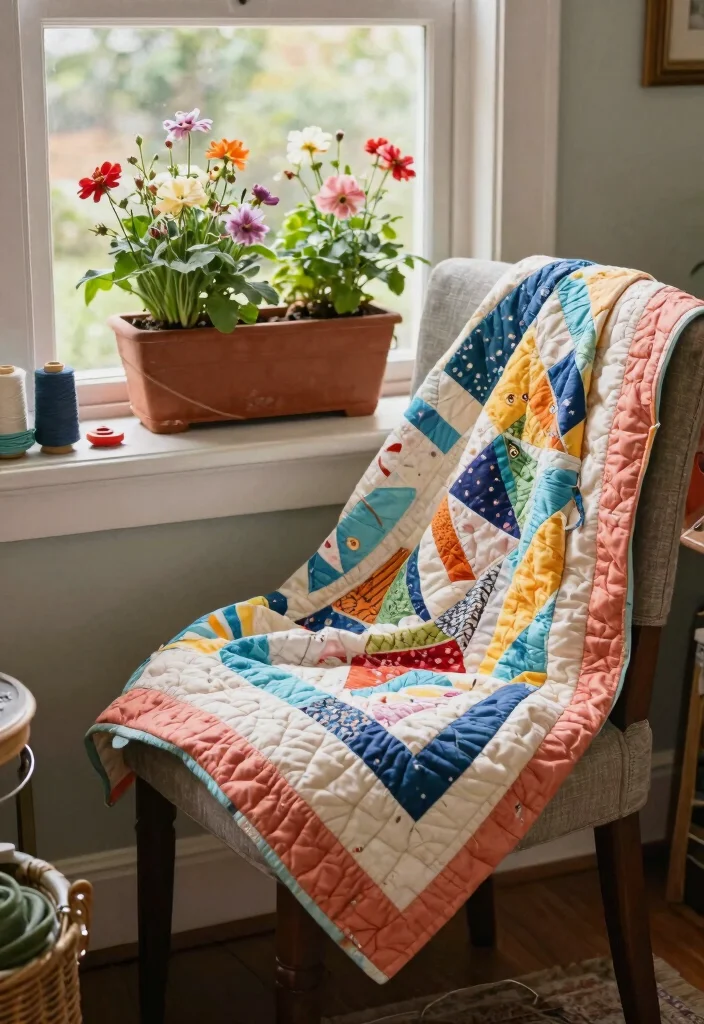
Creating window box quilts offers a delightful fusion of gardening and sewing, allowing your creativity to bloom.
These projects not only beautify your space but also promote sustainability through fabric choices. Whether you opt for vibrant florals or earthy tones, each quilt tells a unique story while adding charm to your home. So grab your sewing machine, explore those fabric bins, and let your imagination guide you to create something beautiful for your window box gardening projects.
Note: We aim to provide accurate product links, but some may occasionally expire or become unavailable. If this happens, please search directly on Amazon for the product or a suitable alternative.
This post contains Amazon affiliate links, meaning we may earn a small commission if you purchase through our links, at no extra cost to you.
Frequently Asked Questions
What sustainable fabric options work best for window box quilt ideas in outdoor decor?
For window box quilt ideas that stand up to sun and rain, pick sustainable fabric options designed for outdoors, such as outdoor-rated fabrics like Sunbrella or recycled blends. Look for fabrics with UV-fast dyes and good colorfastness. Pre-wash and apply a light non-toxic UV sealant if needed. Back the quilt panels with a breathable waterproof liner and finish edges with reinforced seams or simple binding to prevent unraveling. When possible, choose upcycled or repurposed fabrics to keep your window box gardening project eco-friendly and stylish in your outdoor decor while enjoying creative sewing projects.
How can I weatherproof and maintain window box quilt ideas through seasons?
To keep your window box quilt ideas vibrant year-round, start with outdoor-ready fabrics and treat them with a light, non-toxic UV sealant. Use a breathable waterproof liner behind the quilt and choose a sturdy back so moisture can’t seep in. Consider weatherproof batting or a thin batting option, or skip batting for easier care. Reinforce edges with double stitching or binding. Clean by gentle spot-cleaning or hand washing, and dry away from direct sun to preserve color and shape. Store seasonally if you can’t leave the display year-round.
Which quilt patterns work best for window boxes and how can I adapt them for narrow planters?
Opt for bold, simple patterns that read well from a distance, like Rail Fence, Checkerboard, or Strip blocks. For narrow window boxes, use longer vertical panels or fewer, larger blocks so the design remains legible over plants. Choose high-contrast color combos that echo your garden colors, and consider a top layer that complements the plants instead of competing with them. This approach aligns with quilt patterns and creative sewing projects in window box gardening and outdoor decor.
How can I upcycle fabric scraps into window box quilt ideas?
Gather old curtains, shirts, or towels in colors that fit your garden. Sort scraps by color family and durability, then cut into uniform squares or strips for efficient piecing. Sew into a simple top that’s easy to wash and dry outdoors, then bind edges with durable binding. Add a waterproof liner behind the quilt if needed and use clips or ties to secure to the window box so it can handle wind. This is a perfect fit for creative sewing projects and sustainable window box gardening.
What essential tools and steps do I need to start sewing outdoor-friendly window box quilts as part of your creative sewing projects?
Start with a sturdy sewing setup: a reliable sewing machine, heavy-duty needle, outdoor thread, scissors, a ruler, a rotary cutter, and a walking foot if you have one. Plan your layout with paper or a grid, cut pieces to size, and stitch with reinforced seams. Prepare the window box by lining it with a breathable waterproof layer, then drape or mount the quilt panel, allowing for plant growth. Keep airflow and sun exposure in mind to avoid mildew and fading. This practical guide helps you blend window box gardening with outdoor decor through quilt patterns and creative sewing projects.
![15 Best Spring Window Box Planting Ideas [Early Blooms]](https://snugfelt.com/wp-content/uploads/2026/04/15-Best-Spring-Window-Box-Planting-Ideas-Early-Blooms-150x150.webp)