![9 Lush German Window Planter Ideas [Bavarian Balcony Vibe]](https://snugfelt.com/wp-content/uploads/2026/04/9-Lush-German-Window-Planter-Ideas-Bavarian-Balcony-Vibe.webp)
As the days grow warmer and the sun lingers longer, there’s something magical about transforming your outdoor space into a lush, inviting oasis. If you’re like many of us craving that tranquil Bavarian balcony vibe, you might find yourself dreaming of vibrant blooms and aromatic herbs spilling over your window boxes. I created this post to inspire you with charming German window planter ideas that not only beautify your home but also bring a touch of nature right to your fingertips.
This guide is perfect for anyone passionate about gardening, whether you’re a seasoned green thumb or just starting. If you’ve been searching for ways to incorporate balcony gardening into your lifestyle, this is your go-to resource. You’ll discover creative solutions for container plants, vertical gardening strategies, and tips to infuse your outdoor decor with the essence of Bavarian plants.
Get ready to explore nine delightful ideas that are not only visually stunning but also practical. You’ll learn how to create herb havens, bold blooms, and seasonal displays that will make your balcony the envy of the neighborhood. With each idea, you’ll find inspiration for infusing your home with life and color. Let’s dive into the lush world of German window box ideas and elevate your gardening game!
Key Takeaways
– Herb Haven: Discover how to create aromatic window boxes filled with fresh herbs that enhance your cooking and add fragrance to your space.
– Bold Blooms: Learn the art of dazzling flower arrangements to create a vibrant focal point in your balcony garden.
– Vertical Gardening: Explore space-saving vertical gardening techniques that maximize your planting area while adding depth to your decor.
– Mix and Match: Understand the principles of companion planting to optimize plant health and create a beautiful, diverse garden.
– Seasonal Displays: Celebrate each season with thoughtful, themed displays that bring seasonal charm and a refreshing look to your window boxes.
1. Herb Haven: Aromatic Window Boxes
Imagine stepping onto your balcony and being enveloped by the delightful scents of fresh herbs. Creating a dedicated herb haven in your window box not only enhances your cooking but also brings a vibrant touch to your space. With aromatic basil, rosemary, and thyme at your fingertips, your dishes will transform into flavorful masterpieces.Herbs are easy to grow and packed with nutrients, making them ideal for any cooking enthusiast. You can snip fresh ingredients right when you need them, adding a burst of flavor to your meals.
Ingredients:
– 1 window box planter
– Potting soil
– 1 basil plant
– 1 rosemary plant
– 1 thyme plant
– Optional: seeds for oregano or parsley
– Watering can
– Fertilizer (optional)
Instructions:
1. Start by filling your window box with potting soil, leaving about an inch of space from the top.
2. Plant the basil, rosemary, and thyme, spacing them about 6 inches apart for proper growth.
3. Water the plants thoroughly until water drains out of the bottom.
4. Place the window box in a sunny spot where it can receive at least 6 hours of sunlight each day.
5. Regularly pinch back the herbs to promote bushier growth, and water as needed.
FAQs:
– Can I use store-bought herbs? Yes, just ensure they have healthy roots before planting.
– Can I make it indoor-friendly? Yes, just place it by a sunny window and adjust watering according to indoor humidity.
Fun fact: a single herb-filled window box can yield up to 2 cups of fresh basil every week. Rosemary and thyme thrive in sun-drenched balconies, turning your german window box ideas into a fragrant, pantry-friendly upgrade.
2. Bold Blooms: Dazzling Flower Arrangements
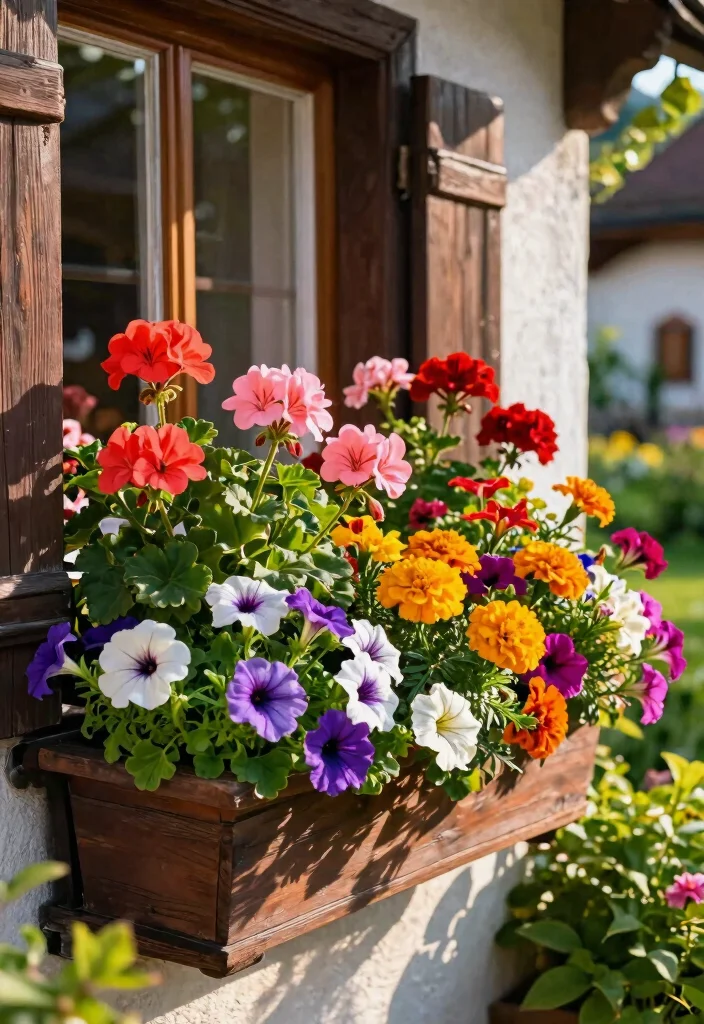
Looking to brighten your outdoor space? Bold blooms can transform your window boxes into a vibrant spectacle. Picture a mix of lively geraniums, cheerful petunias, and sunny marigolds creating a joyful display that catches the eye.These colorful flowers not only bring beauty but also attract beneficial pollinators, enhancing your garden’s ecosystem. Plus, with the right arrangement, you can enjoy stunning views from your balcony all season long.
Ingredients:
– 1 window box planter
– Potting soil
– 3 geranium plants (various colors)
– 3 petunia plants (various colors)
– 3 marigold plants
– Optional: slow-release fertilizer
Instructions:
1. Fill your window box with potting soil, leaving about an inch of space from the top.
2. Start by placing taller geraniums at the back, followed by petunias in the middle, and marigolds in the front.
3. Fill any gaps with soil, ensuring all plants are secure.
4. Water the arrangement thoroughly.
5. Deadhead spent flowers regularly to encourage new blooms and add fertilizer every few months.
FAQs:
– Can I mix different flower types? Absolutely! Just ensure they have similar sunlight and water needs.
– Can I plant perennials instead? Yes, consider using perennial varieties for long-lasting displays.
3. Vertical Gardening: Space-Saving Wonders
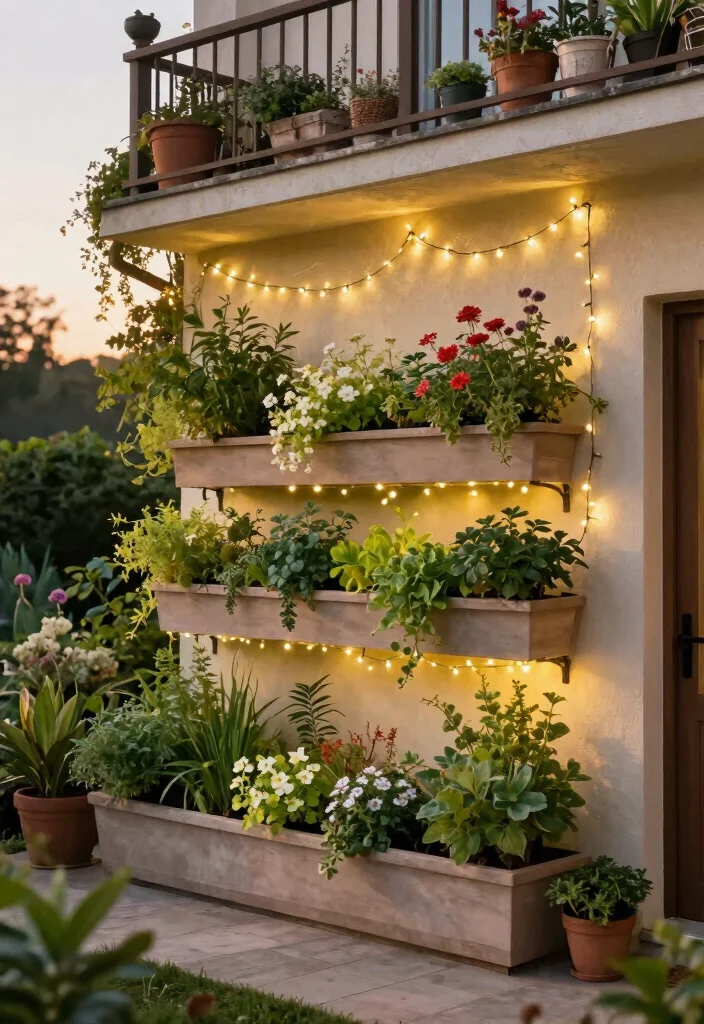
Limited balcony space? Vertical gardening is your solution! By using tiered planters or wall-mounted pots, you can create a lush garden without sacrificing space. This method not only enhances your garden’s beauty but also adds height and visual interest.You’ll love being surrounded by greenery, and it’s a fantastic way to grow a variety of plants, including flowers, herbs, and even small vegetables.
Ingredients:
– 1 vertical wall planter
– Variety of small plants (e.g., herbs, flowers, or small veggies)
– Potting soil
– Watering can
Instructions:
1. Begin by filling each tier of your vertical planter with potting soil.
2. Select your plants, ensuring they have similar sunlight and watering needs, and plant them into each tier.
3. Water thoroughly, allowing excess to drain.
4. Hang or position your vertical planter where it can receive adequate light.
5. Add fairy lights for a charming evening ambiance.
FAQs:
– Can I use regular pots? Yes, as long as they are securely stacked or mounted.
– Can I grow vegetables vertically? Yes, many small veggies like lettuce and herbs thrive in vertical setups.
Top Varieties for Different Conditions
1. Lavender (Lavandula angustifolia)
– Best conditions: Thrives in sunny, well-drained areas, ideal for warm climates.
– Key features: Lavender offers aromatic blooms and is a great pollinator for bees. Its evergreen nature makes it beautiful year-round.
– Considerations: Needs pruning after flowering to maintain shape and promote growth.
2. Thyme (Thymus vulgaris)
– Best conditions: Prefers full sun and dry soil, perfect for sunny balconies or window boxes.
– Key features: This hardy herb has a lovely scent and is perfect for culinary uses. It can spread nicely in a container, creating a lush look.
– Considerations: It can become woody if not harvested regularly, so keep it trimmed.
3. Petunia (Petunia x hybrida)
– Best conditions: Flourishes in well-draining soil with plenty of sunlight; great for colorful displays in temperate regions.
– Key features: Petunias come in vibrant colors and bloom all summer long. They add a cheerful touch to your balcony.
– Considerations: Regular deadheading is necessary for continuous blooming.
4. Nasturtium (Tropaeolum majus)
– Best conditions: Grows best in full sun or partial shade, excellent for cooler areas.
– Key features: Both the leaves and flowers are edible, adding a peppery taste to salads. Their trailing nature makes them perfect for hanging planters.
– Considerations: They can attract aphids, so keep an eye out for pests.
5. Cherry Tomatoes (Solanum lycopersicum)
– Best conditions: Loves warm weather and needs a sunny spot with good drainage, making it ideal for southern climates.
– Key features: Compact cherry tomato varieties are perfect for window boxes. You can enjoy fresh produce right from your balcony!
– Considerations: Needs support as it grows and regular watering to keep the soil moist but not soggy.
6. Ferns (Various species)
– Best conditions: Thrive in shady, humid environments, great for balconies that don’t get a lot of direct sun.
– Key features: Ferns add beautiful foliage and texture to your garden. They can be a striking contrast to flowering plants.
– Considerations: They require consistent moisture and can struggle in dry conditions.
7. Geraniums (Pelargonium spp.)
– Best conditions: Performs well in full sun or partial shade, making them versatile for various climates.
– Key features: Geraniums are long-blooming flowers with vibrant colors. They are also known to be drought-tolerant once established.
– Considerations: Overwatering can lead to root rot; allow the soil to dry out between waterings.
Climate/Condition Guide:
When selecting plants for your German window box, consider your local climate.
– Temperate: Most herbs and flowering plants thrive here. Choose varieties like lavender and petunias for vibrant color.
– Continental: Look for hardy plants that can withstand temperature fluctuations. Geraniums and thyme are excellent options.
– Coastal: Salt-tolerant plants like nasturtium do well here. Ensure good drainage to manage excess moisture.
– Hot/Dry: Go for drought-resistant options such as geraniums and lavender. They’ll flourish in sunny spots.
– Humid: Ferns and other moisture-loving plants will do great as long as you keep the soil consistently damp.
Growing Tips:
– Choose a mix of herbs and flowers to create visual interest and provide different textures.
– Regularly deadhead flowers and prune herbs to promote growth and maintain your window box’s appearance.
Avoid:
– Overwatering is a common mistake that can lead to root rot.
– Steer clear of plants that require full shade if your window box gets plenty of sunlight.
4. Rustic Charm: Wooden Planter Boxes
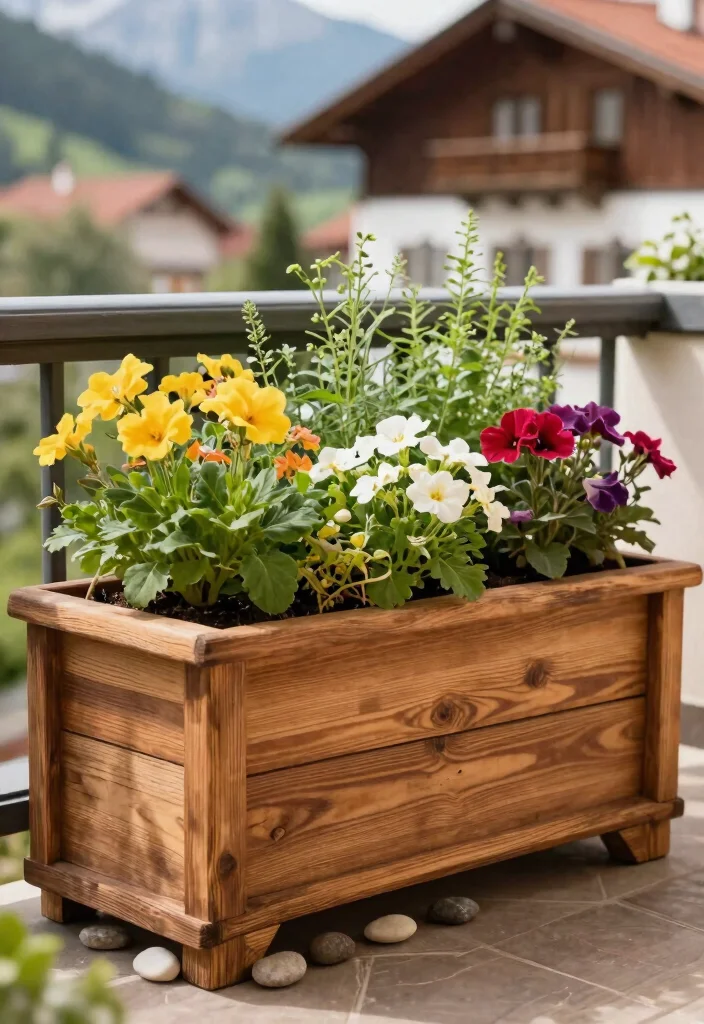
Bring a touch of rustic charm to your balcony with wooden planter boxes. These timeless pieces, especially when made from reclaimed wood, add character while being eco-friendly. They evoke the warmth of Bavarian gardens, inviting nature closer to your home.With wooden planters, you can create a diverse garden filled with beautiful blooms and fragrant herbs, all while making a sustainable choice.
Ingredients:
– 1 wooden planter box (reclaimed wood recommended)
– Potting soil
– Variety of plants (e.g., herbs, flowers)
– Decorative stones or pebbles (optional)
Instructions:
1. Fill your wooden planter box with potting soil, leaving space for your plants.
2. Arrange your chosen herbs and flowers in the box, ensuring proper spacing for growth.
3. Add decorative stones at the base for a charming look and to help with drainage.
4. Water thoroughly and place in a sunny spot.
5. Regularly check moisture levels and prune as needed.
FAQs:
– Can I customize my wooden box? Yes, feel free to paint or stain it to match your style.
– Can I use it for vegetables? Absolutely! Just ensure proper drainage and sunlight.
5. Mix and Match: Companion Planting
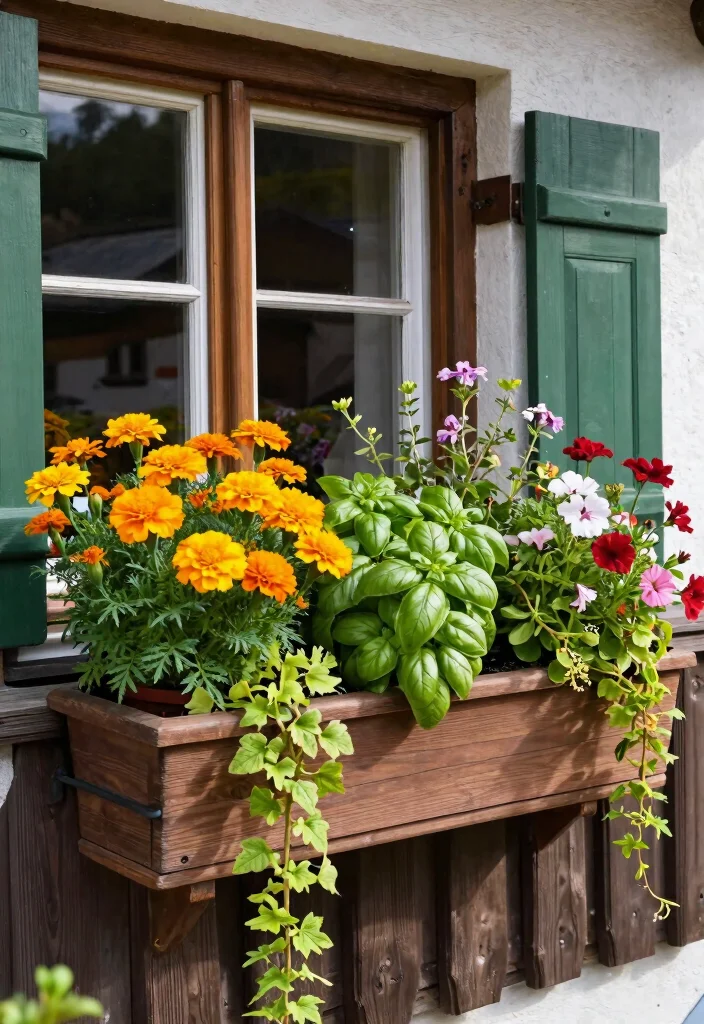
Why settle for just aesthetics? Companion planting not only enhances your garden’s beauty but also promotes plant health. Pairing colorful flowers with herbs or other plants creates a visually stunning and thriving ecosystem.This method allows you to grow a vibrant display while maximizing the benefits of plant interactions, making your balcony a delightful sanctuary.
Ingredients:
– 1 window box planter
– Variety of companion plants (e.g., marigolds, basil, trailing vines)
– Potting soil
– Watering can
Instructions:
1. Fill your window box with potting soil, ensuring a solid base for your plants.
2. Start by placing marigolds to repel pests, then add basil for culinary use, and trailing vines to soften the edges.
3. Water thoroughly and ensure all plants are securely planted.
4. Monitor growth and adjust watering as needed.
5. Observe plant interactions for the best results!
FAQs:
– Can I mix any plants? Yes, just research which plants benefit each other.
– Can I eat the herbs? Definitely! That’s one of the joys of companion planting.
6. Seasonal Displays: Celebrating the Seasons
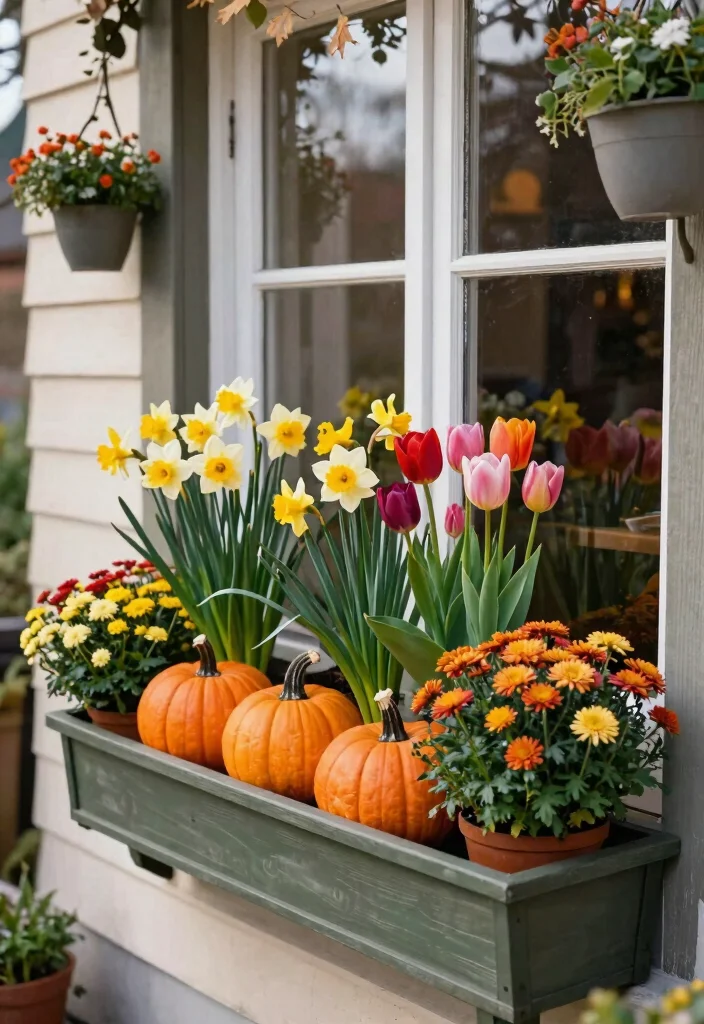
Want to keep your balcony fresh and inviting? Seasonal displays are the way to go! By rotating your plants according to the seasons, you can create a dynamic, ever-changing garden that reflects the beauty of nature.From bright blooms in spring to hardy evergreens in winter, each season brings a new opportunity for creativity and engagement in gardening.
Ingredients:
– 1 window box planter
– Seasonal plants (e.g., daffodils for spring, chrysanthemums for fall)
– Seasonal decorations (e.g., pumpkins, ornaments)
– Potting soil
Instructions:
1. Start by filling your window box with potting soil.
2. Choose seasonal plants that thrive in your climate and arrange them in the box.
3. Add seasonal decorations for added charm.
4. Water your plants thoroughly and place in a sunny location.
5. Plan a schedule for seasonal swaps to keep your garden vibrant.
FAQs:
– Can I combine different seasons in one box? It’s best to stick to one season for optimal growth.
– Can I use indoor plants for seasonal displays? Indoor plants can be used but ensure they receive enough light.
Seasonal displays turn your German window box ideas into a living calendar. Rotate daffodils in spring and chrysanthemums in fall to keep the look fresh and inviting.
7. Color-Theory: The Art of Color Grouping
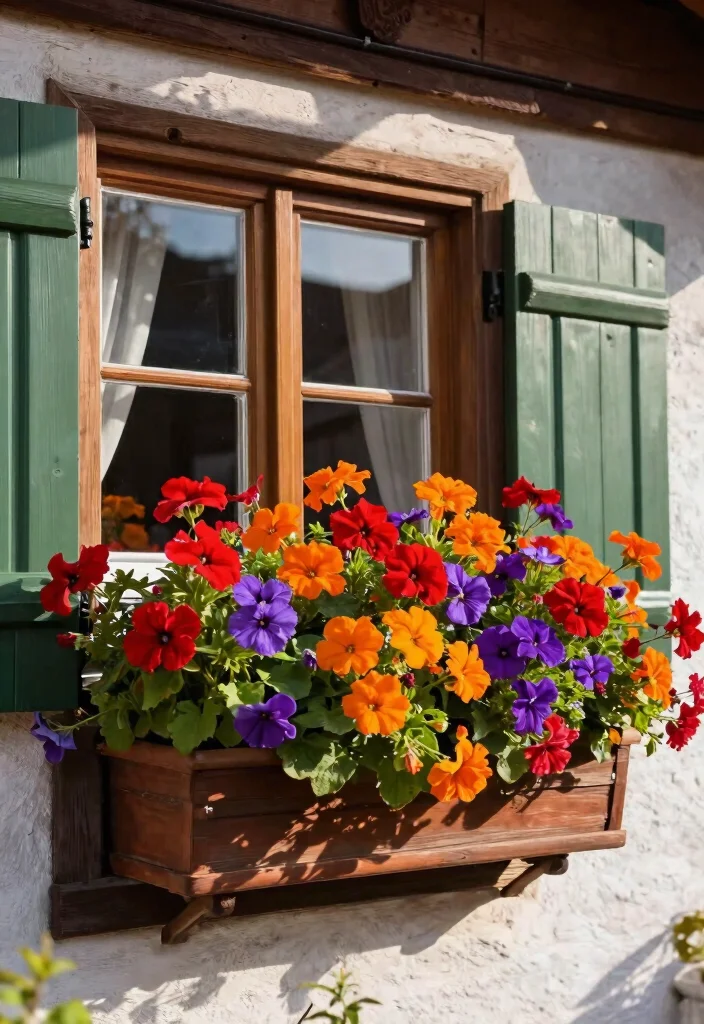
Ready to make your window boxes pop? Harness the power of color theory to create captivating displays. By choosing complementary or analogous colors, you can design an eye-catching arrangement that enhances your outdoor space.This method not only beautifies your balcony but also brings a sense of harmony, making it a true visual delight.
Ingredients:
– 1 window box planter
– Variety of plants in selected colors (e.g., reds, blues, purples)
– Potting soil
Instructions:
1. Fill your window box with potting soil, leaving room for planting.
2. Select two or three main colors for your arrangement and plant accordingly.
3. Water thoroughly after planting.
4. Observe how colors interact and adjust plant positions if needed.
5. Enjoy the transformation of your balcony into a colorful canvas!
FAQs:
– Can I use any plants for color grouping? Yes, as long as they have similar light and water needs.
– Can I mix different color schemes? Absolutely! Experiment to find what you love most.
8. Edible Elegance: Growing Fruits and Vegetables
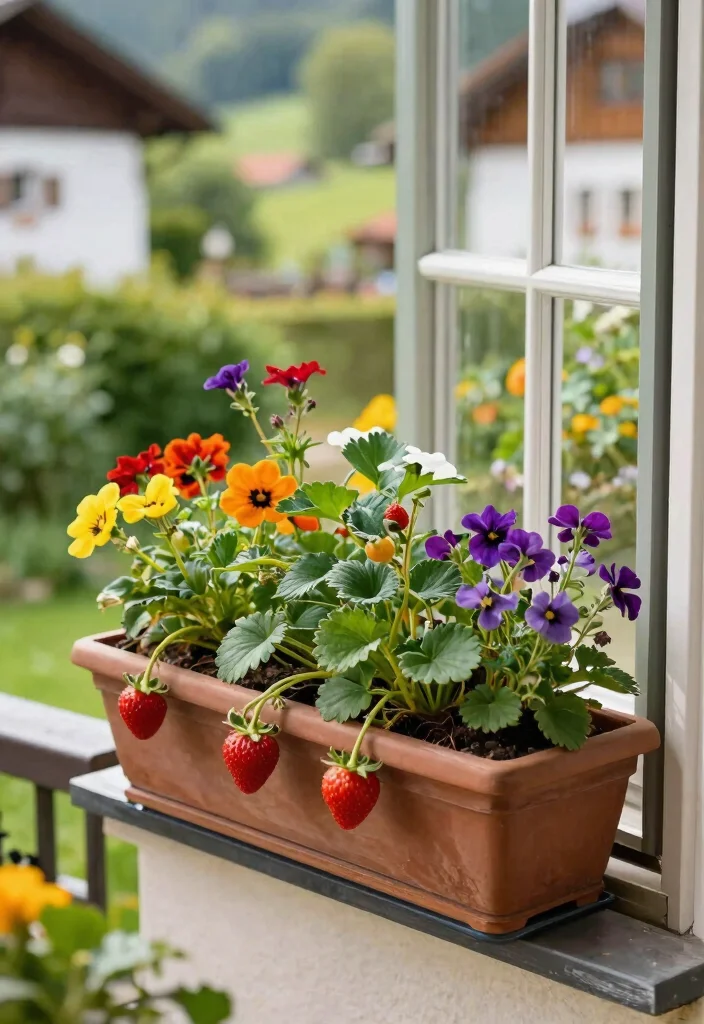
Why not combine beauty with practicality by growing fruits and vegetables in your window boxes? Imagine the delight of harvesting fresh strawberries, juicy cherry tomatoes, or colorful peppers right from your balcony.These edible plants not only enhance your garden’s aesthetic but also provide delicious ingredients for your meals, bringing joy to both your palate and your space.
Ingredients:
– 1 window box planter
– Potting soil
– Compact varieties of fruits and vegetables (e.g., strawberries, cherry tomatoes, peppers)
– Watering can
Instructions:
1. Fill your window box with potting soil, ensuring a solid base for your plants.
2. Plant your selected fruits and vegetables, giving them enough space to grow.
3. Water thoroughly and position your planter in a sunny spot.
4. Monitor for pests and adjust watering as needed.
5. Harvest when ripe and enjoy fresh produce right from your balcony!
FAQs:
– Can I grow these plants in small containers? Yes, just ensure you choose compact varieties.
– Can I mix ornamental and edible plants? Absolutely! It creates a beautiful and functional display.
Fun fact: edible window boxes can yield surprising harvests—up to 2-3 pounds of berries and greens from a single planter in peak season. With German window box ideas, you can pick fresh strawberries and cherry tomatoes right from your balcony, every day.
9. Textured Layers: The Power of Foliage
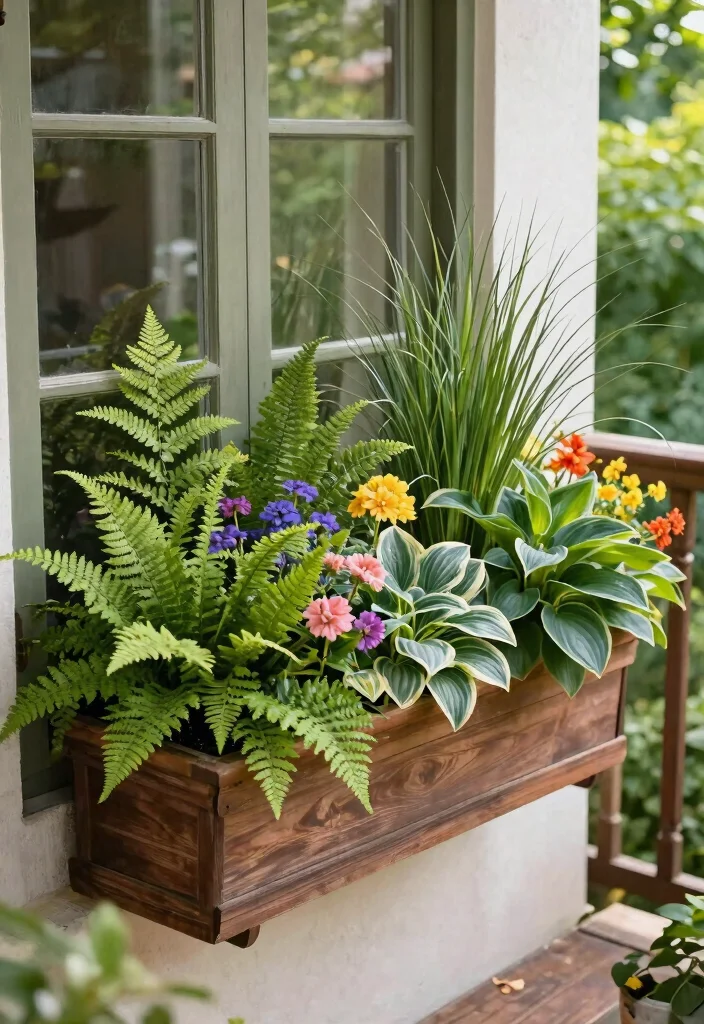
Looking to add depth and interest to your window boxes? Incorporating a variety of foliage plants can create a lush backdrop for your blooms. Think ferns, hostas, and ornamental grasses that bring texture and a rich green palette to your balcony.This layering technique not only enhances visual appeal but also supports a healthier ecosystem, as different plants can thrive together.
Ingredients:
– 1 window box planter
– Variety of foliage plants (e.g., ferns, hostas, ornamental grasses)
– Colorful flowers for layering
– Potting soil
Instructions:
1. Fill your window box with potting soil, creating a solid base.
2. Layer your foliage plants at the back and sides, allowing colorful flowers to peek through the front.
3. Water thoroughly and ensure all plants are securely planted.
4. Add trailing varieties to soften edges and enhance the overall look.
5. Regularly check for growth and adjust watering as needed.
FAQs:
– Can I mix different leaf shapes and sizes? Yes, variety adds interest and charm!
– Can I use foliage indoors? Many can thrive indoors with sufficient light and care.
Conclusion
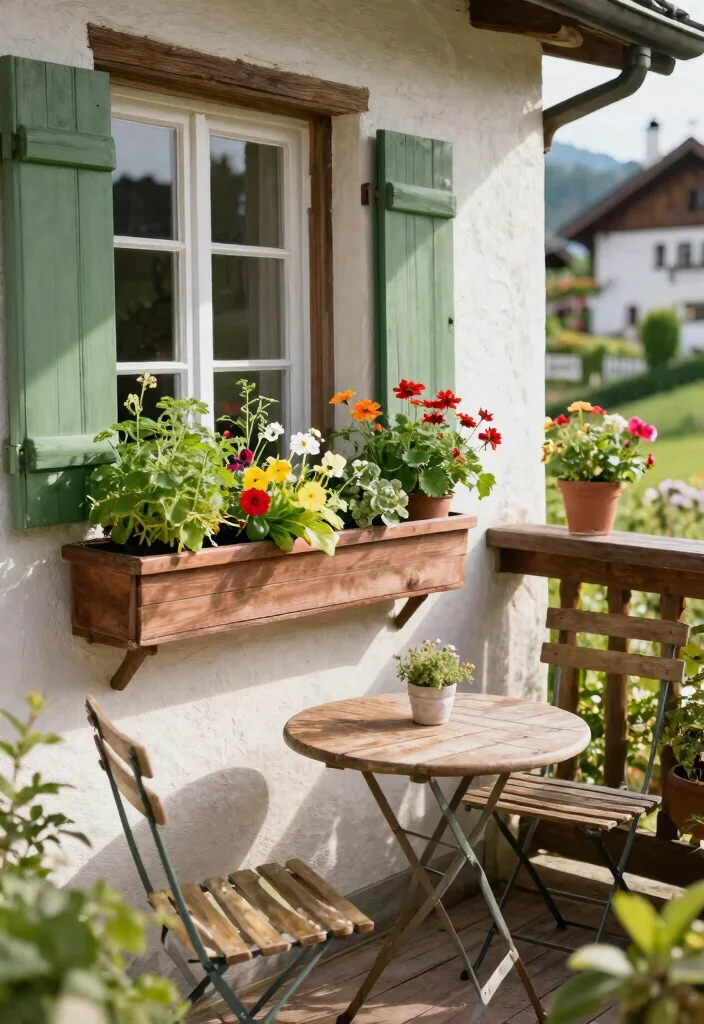
Designing a stunning balcony garden using German window box ideas brings vibrant life to any outdoor space. Each unique planter can cater to your personal style while providing a lush escape.
Whether you’re growing delightful herbs for your kitchen, seasonal flowers to cheer you up, or even a mix of edible plants, the possibilities are endless. Embrace your green thumb and let your creativity blossom in this wonderful journey of balcony gardening!
Note: We aim to provide accurate product links, but some may occasionally expire or become unavailable. If this happens, please search directly on Amazon for the product or a suitable alternative.
This post contains Amazon affiliate links, meaning we may earn a small commission if you purchase through our links, at no extra cost to you.
Frequently Asked Questions
What are the best herbs to plant in a German window box for a Bavarian balcony vibe?
For a true german window box ideas vibe, start with versatile herbs that perform well in containers: chives, parsley, dill, thyme, rosemary, sage, and tarragon.
Keep mint in a separate pot to prevent spreading. Mix in leafy greens like lettuce or arugula for quick harvests. Add a splash of color with edible flowers such as nasturtium or pansies.
Ensure they get 6+ hours of sun and use a well-draining potting mix. Water when the top inch dries, and prune regularly to encourage bushier growth. This is a staple in german window box ideas for balcony gardening.
How can I create a lush German window box using balcony gardening and container plants?
Start with a long, shallow container to mimic Bavarian balcony lines, with good drainage. Fill with a high-quality potting mix enriched with compost. Arrange herbs in clusters, placing taller rosemary toward the back and trailing thyme along the edges for vertical interest. Incorporate a few ornamental plants like geraniums or lavender for that outdoor decor vibe. Use a simple color scheme (blue and white accents) to evoke Bavarian style. Water consistently, check drainage, and consider a small trellis for vertical gardening if space is extra-limited. This is a practical approach to german window box ideas.
What plants thrive in window boxes during different seasons with a Bavarian vibe?
Summer is perfect for basil, oregano, thyme, rosemary, chives and parsley, plus colorful geraniums or lavender to elevate outdoor decor. For winter, anchor the box with evergreen herbs like rosemary and thyme, add hardy greens such as spinach or kale, and cover during frosty nights. With proper shelter and a good container, you can keep a Bavarian plants vibe in your balcony garden year-round. This pairs well with german window box ideas.
How do I maintain and refresh a German window box to keep it looking lush all season?
Set up a simple maintenance routine: check soil moisture regularly, prune herbs to encourage bushier growth, deadhead spent flowers on ornamentals, and refresh the soil each spring. Feed with a balanced liquid fertilizer every 4–6 weeks during the growing season. Mulch the top layer to reduce evaporation and keep roots cool. If space allows, rotate plant placement to improve air circulation and prevent crowding. A small drip irrigation kit or DIY wick system can keep container plants hydrated with minimal effort. All of this helps your balcony garden stay lush and on-brand for german window box ideas.
Can I mix edible herbs with decorative plants in a German window box without crowding them?
Absolutely. Plan your layout with distinct zones: dedicated herbs in one area, ornamental fillers in another. Leave at least 6–8 inches of spacing per plant, or choose a larger container. Use vertical space with a small trellis or cascading herbs so you get both container plants and vertical gardening benefits. Pair herbs like rosemary, thyme, and basil with decorative blooms like geraniums and lavender for a Bavarian balcony vibe. Add a cohesive color palette to reinforce the outdoor decor. This is a practical way to implement german window box ideas.

![15 Best Spring Window Box Planting Ideas [Early Blooms]](https://snugfelt.com/wp-content/uploads/2026/04/15-Best-Spring-Window-Box-Planting-Ideas-Early-Blooms-150x150.webp)